










EBOOK IN LINGUA STRANIERA





The AGT Cytogenetics Laboratory Manual

209,99 €
+2100
punti 
Venditore: Feltrinelli

Acquista online
Scaricabile subito
Articolo acquistabile con Carta del Docente

Articolo acquistabile con Carta Cultura Giovani e Carta del Merito

Articolo acquistabile con Carta della Cultura

Dati e Statistiche
 Salvato in 0 liste dei desideri
Salvato in 0 liste dei desideri
The AGT Cytogenetics Laboratory Manual
Scaricabile subito
209,99 €
209,99 €
Scaricabile subito

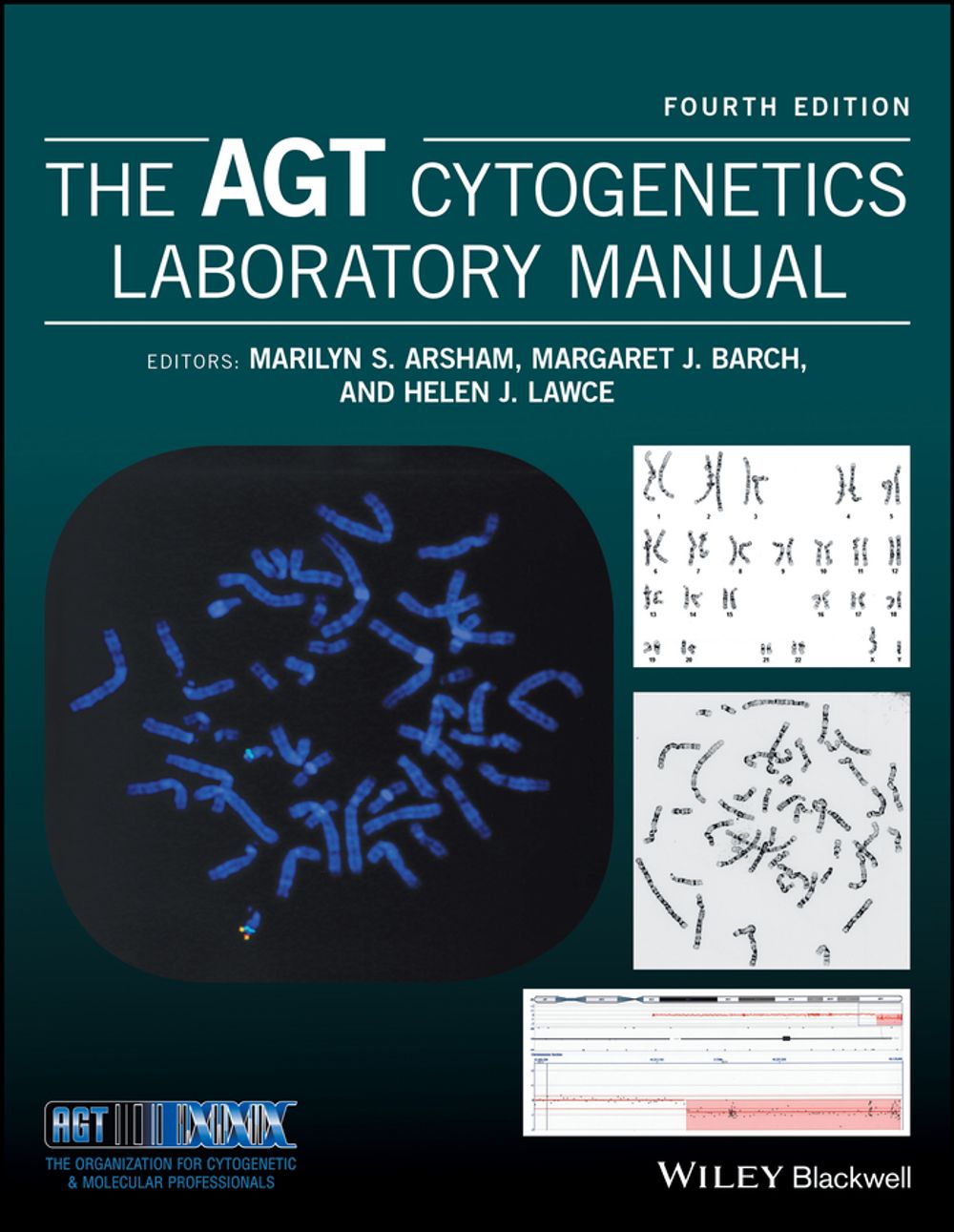



Cytogenetics is the study of chromosome morphology, structure, pathology, function, and behavior. The field has evolved to embrace molecular cytogenetic changes, now termed cytogenomics. Cytogeneticists utilize an assortment of procedures to investigate the full complement of chromosomes and/or a targeted region within a specific chromosome in metaphase or interphase. Tools include routine analysis of G-banded chromosomes, specialized stains that address specific chromosomal structures, and molecular probes, such as fluorescence in situ hybridization (FISH) and chromosome microarray analysis, which employ a variety of methods to highlight a region as small as a single, specific genetic sequence under investigation. The AGT Cytogenetics Laboratory Manual, Fourth Edition offers a comprehensive description of the diagnostic tests offered by the clinical laboratory and explains the science behind them. One of the most valuable assets is its rich compilation of laboratory-tested protocols currently being used in leading laboratories, along with practical advice for nearly every area of interest to cytogeneticists. In addition to covering essential topics that have been the backbone of cytogenetics for over 60 years, such as the basic components of a cell, use of a microscope, human tissue processing for cytogenetic analysis (prenatal, constitutional, and neoplastic), laboratory safety, and the mechanisms behind chromosome rearrangement and aneuploidy, this edition introduces new and expanded chapters by experts in the field. Some of these new topics include a unique collection of chromosome heteromorphisms; clinical examples of genomic imprinting; an example-driven overview of chromosomal microarray; mathematics specifically geared for the cytogeneticist; usage of ISCN’s cytogenetic language to describe chromosome changes; tips for laboratory management; examples of laboratory information systems; a collection of internet and library resources; and a special chapter on animal chromosomes for the research and zoo cytogeneticist. The range of topics is thus broad yet comprehensive, offering the student a resource that teaches the procedures performed in the cytogenetics laboratory environment, and the laboratory professional with a peer-reviewed reference that explores the basis of each of these procedures. This makes it a useful resource for researchers, clinicians, and lab professionals, as well as students in a university or medical school setting.
-
Curatore:
-
Anno edizione:2017
-
Editore:
-
Formato:
Lingua:
Inglese
Compatibilità:
Tutti i dispositivi (eccetto Kindle) Scopri di più
Layout:
Reflowable
EAN:
9781119061281

Formato:
Gli eBook venduti da Feltrinelli.it sono in formato ePub e possono essere protetti da Adobe DRM. In caso di download di un file protetto da DRM si otterrà un file in formato .acs, (Adobe Content Server Message), che dovrà essere aperto tramite Adobe Digital Editions e autorizzato tramite un account Adobe, prima di poter essere letto su pc o trasferito su dispositivi compatibili.
Cloud:
Gli eBook venduti da Feltrinelli.it sono sincronizzati automaticamente su tutti i client di lettura Kobo successivamente all’acquisto. Grazie al Cloud Kobo i progressi di lettura, le note, le evidenziazioni vengono salvati e sincronizzati automaticamente su tutti i dispositivi e le APP di lettura Kobo utilizzati per la lettura.
Clicca qui per sapere come scaricare gli ebook utilizzando un pc con sistema operativo Windows
