









LIBRO INGLESE





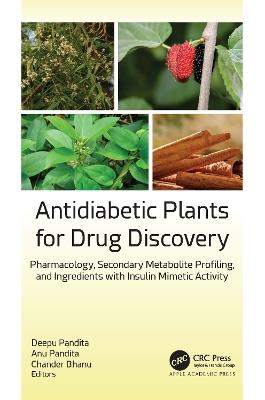
Antidiabetic Plants for Drug Discovery: Pharmacology, Secondary Metabolite Profiling, and Ingredients with Insulin Mimetic Activity

241,20 €
+2410
punti 
Venditore: Feltrinelli
Articolo acquistabile con Carta del Docente

Articolo acquistabile con Carta Cultura Giovani e Carta del Merito

Articolo acquistabile con Carta della Cultura

Paga con Klarna in 3 rate senza interessi per ordini superiori a 39 €

Dati e Statistiche
 Salvato in 0 liste dei desideri
Salvato in 0 liste dei desideri
Antidiabetic Plants for Drug Discovery: Pharmacology, Secondary Metabolite Profiling, and Ingredients with Insulin Mimetic Activity
Disponibilità in 2 settimane
241,20 €
241,20 €
Disponibilità in 2 settimane




This volume takes an in-depth look at the potential pharmacological applications of 11 important antidiabetic plants, examining their antihyperglycemic, hypoglycemic, and anti-lipidemic properties along with current genome editing research perspectives. Plant natural products, or phytoconstituents, are promising candidates for antidiabetic pharmacological actions. The phytoconstituents, such as fl avonoids, terpenoids, saponins, carotenoids, alkaloids and glycosides, play vital roles in the current and future potent antidiabetic drug development programs Each chapter reviews a particular plant with antidiabetic properties, explaining the therapeutic aspects, its active antidiabetic compounds, and relevant genome editing technology. The specific plants discussed include Azadirachta indica (commonly known as neem, nimtree or Indian lilac), Gymnema sylvestre (commonly called gymnema, Australian cowplant, and Periploca of the woods), Syzygium cumini (commonly known as Malabar plum, Java plum, black plum, jamun or jambolana), Ceylon cinnamon (or true cinnamon, as opposed to cassia cinnamon), insulin plant (or Costus pictus), Trigonella foenum-graecum (better known as fenugreek), Mulberry, Nigella sativa L. (black caraway, also known as black cumin, nigella, kalojeera, kalonji or kalanji), Aegle marmelos (L.) (commonly known as bael (or bili or bhel), also Bengal quince, golden apple, Japanese bitter orange, stone apple or wood apple), Ficus benghalensis (the banyan, banyan fig and Indian banyan), and of course, garlic (Allium sativum). Antidiabetic Plants for Drug Discovery: Pharmacology, Secondary Metabolite Profiling, and Ingredients with Insulin Mimetic Activity will serve as a valuable source of information for students, drug researchers, medical practitioners, diabetic patients, and many others in the effort to gain understand of how these plant drug molecules can help fight diabetes.
-
Curatore:
-
Editore:
-
Anno:2022
-
Rilegatura:Hardback
-
Pagine:324 p.
Testo in English
Dimensioni:
229 x 152 mm
Peso:
660 gr.
EAN:
9781774910061

Informazioni e Contatti sulla Sicurezza dei Prodotti
Le schede prodotto sono aggiornate in conformità al Regolamento UE 988/2023. Laddove ci fossero taluni dati non disponibili per ragioni indipendenti da Feltrinelli, vi informiamo che stiamo compiendo ogni ragionevole sforzo per inserirli. Vi invitiamo a controllare periodicamente il sito www.lafeltrinelli.it per eventuali novità e aggiornamenti.
Per le vendite di prodotti da terze parti, ciascun venditore si assume la piena e diretta responsabilità per la commercializzazione del prodotto e per la sua conformità al Regolamento UE 988/2023, nonché alle normative nazionali ed europee vigenti.
Per informazioni sulla sicurezza dei prodotti, contattare productsafety@feltrinelli.it
