










LIBRO INGLESE





Cerebral Cortex: Models of Cortical Circuits

267,10 €
+2670
punti 
Venditore: Feltrinelli
Articolo acquistabile con Carta del Docente

Articolo acquistabile con Carta Cultura Giovani e Carta del Merito

Articolo acquistabile con Carta della Cultura

Paga con Klarna in 3 rate senza interessi per ordini superiori a 39 €

Dati e Statistiche
 Salvato in 0 liste dei desideri
Salvato in 0 liste dei desideri
Cerebral Cortex: Models of Cortical Circuits
Disponibilità in 2 settimane
267,10 €
267,10 €
Disponibilità in 2 settimane

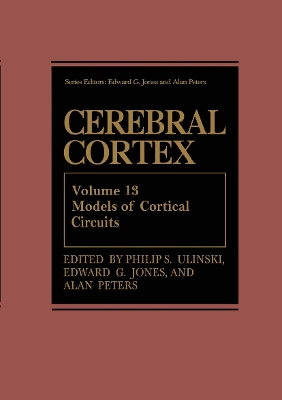


Thisisthefirstvolumeinthe CerelJral Cortexseriesdevotedtomathematicalmodels ofthecortex. Itwasmotivatedbytherealizationthatcomputationalmodelsof individualneuronsandensemblesofneuronsareincreasinglyusedinresearchon corticalorganizationandfunction. Thisis,inpart,becauseofthenowubiquitous presenceofpowerfulandaffordablecomputers. Suitablemachineswereformerly rareinresearchlaboratoriesandrequiredsubstantialprogrammingexpertisetobe usedinconstructingandusingneuronalmodels. However,computersarenow routinelyusedinallareasofneurobiologyandanumberofsoftwarepackagesallow scientistswithminimalcomputerscienceandmathematicalbackgroundstocon- structseriousneuronalmodels. Asecondfactorleadingtotheproliferationof modelingstudiesisthedevelopmentoftechnologiesthatallowthekindsofdata collectionneededtodeveloprealisticmodelsofcorticalneurons. Characterization ofthekineticsofvoltage-andligand-gatedchannelsandreceptorshadbeenlim- itedtorelativelylargeneurons. However,therapiddevelopmentofsliceprepara- tions,patch-clampmethods,andimagingmethodsbasedonvoltage-sensitivedyes andintracellularcalciumindicatorshasresultedinasignificantdatabaseonthe biophysicalfeaturesofcorticalneurons. Thescopeofmodelingapproachestocorticalneuronsandfunctionsiswide anditseemednecessarytolimitthepurviewofthevolume. Thefocusisonattempts tounderstandthepropertiesofindividualcorticalneuronsandneuronalcircuitry throughmodelsthatincorporatesignificantfeaturesofcellularmorphologyand physiology. Noattemptwasmadetoincludemodelingapproachestounderstanding corticaldevelopmentandplasticity. Thus,workdealingwiththedevelopmentof oculardominancecolumnsandtheorientationselectivityofneuronsinvisualcortex isnotconsidered. Similarly,modelsdealingwiththecellularmechanismsunderlying long-termplasticityandwithapproachestolearningandmemorybasedonmodifica- tionofHebbiansynapsesarenotconsidered. Relativelyabstractattemptstounder- standhigherlevelandcognitiveprocessesbasedonneuralnetsrepresentasecond, majorareaofworkthatisnottreated. Modelsofcognitiveprocessesbasedon dynamicalsystemsmethodsinwhichnoattemptismadetoincludethebiophysical featuresofindividualneuronsarealsonotconsidered. vii viii Thetenmajorchaptersfallintothreegroups. Thefirstgroupdealswith compartmentalmodelsofindividualcorticalneurons. LyleBorg-Grahamprovides PREFACE anintroductiontothemethodsinvolvedinconstructingcompartmentalmodels andthenreviewstheexistingmodelsofhippocampalpyramidalcells. Becauseof theeffectivenessofhippocampalslicepreparations,theseneuronshavewell-ehar- acterizedbiophysicalproperties. Thischapterillustrateshowcompartmentalmod- elscanbeusedtosynthesizeexperimentaldataandprovideanintegrativeviewof thepropertiesofindividualneurons. PaulRhodescontinuesthethemebyfocusing ontheroleofvoltage-gatedchannelslocatedonthedendritesofcorticalneurons. Thisisanareainwhichtechnologicaladvancesinthevisualizationofneuronsin slicepreparationsbasedoninfraredmicroscopyhavegreatlyexpandedtheinfor- mationavailableondendriticfunctioninjustafewyears. Thechapterbothreviews theexperimentaldataonactivedendriticconductancesandemphasizestheirpo- tentialfunctionalroles. Thesecondgroupofchaptersdealwiththegenerationofreceptivefield propertiesofneuronswithinvisualcortex. Theyaddressissuesstemmingfromthe originalattempttounderstandhowthereceptivefieldpropertiesofneuronsincat andmonkeyprimaryvisualcortexaregeneratedbyinteractionsbetweengenicu- lateafferentsandcorticalneurons. ThechapterbyFlorentinWorgotterevaluates modelsthathavebeenusedtoanalyzethegenerationofreceptivefieldproperties. RodneyDouglasandhiscolleaguesaddressaspecificsetofissuesdealingwiththe roleofintracorticalexcitationmediatedbypyramidalcellcollaterals. Animportant featureofthischapterisitsrelationtoattempttoconstructfabricatedcircuitsthat duplicatethefunctionsofcorticalcircuits. ThechapterbyPhilipUlinskifocuseson thegenerationofmotion-selectivepropertiesincorticalneurons. Itseekstoidenti- tycellularmechanismsusedbyneuronsthatrespondpreferentiallytovisualstimuli movingwithparticularspeedsordirections. MatteoCarandiniandhiscolleagues discussthefeatureofcorticalneurons,knownasgaincontrol,thatallowsneurons torespondeffectivelytovisualstimulibypoolinginformationacrosspopulationsof corticalneurons. ThechapterbyHughWilsondealswiththereceptivefieldproper- tiesofextrastriateareasandintroducesnewworkanalyzingface-selectiveneurons. Thefinalsetofchaptersconsidermodelsofensemblesofthalamicandcortical neurons. ThechapterbyWilliamLyttonandElizabethThomasusesthetheoryof dynamicalsystemstoanalyzethetemporalrelationshipsbetweenthalamicand corticalneurons. Animportantfeatureoftheinteractionbetweenthalamusand cortexisthepresenceofoscillationsthatdependinpartuponthevoltage-gated conductancespresentonindividualneuronsandinpartonthestructureofthe overallnetwork. PaulBushcontinuesthisemphasisonoscillationsbydiscussinga modelthatdealswiththegenerationofsynchronizedoscillationsinvisualcortex. Oscillationsofthiskindhaveattractedsubstantialattentioninrecentyearsbecause oftheirpotentialroleincognitiveprocesses. Thelastchapter,byMichaelHasselmo andChristianeLinster,reviewstheirworkonmodelingpiriformcortex,emphasiz- ingtheroleofcholinergicmechanismsinmodulatingtheactivityofcorticalneu- rons. Anattempthasbeenmadethroughouttomakethevolumeaccessibleto readerswithminimalmathematicalbackgrounds. Thevolumethusbeginswitha shorthistoryofmodelsofcorticalneuronsandcircuitrythatintroducestheprinci- palmodelingstyles. ThechaptersbyWorgotterandUlinskicontainmoreextensive ix introductionstosomeofthemodelingmethodsthathavebeenusedtostudyvisual cortex,andthemathematicallychallengedreaderwillfindthatthechapterby PREFACE LyttonandThomascontainsareadableintroductiontotheuseofdynamical systemstheoryinneurobiology. PhilipS. Ulinski EdwardG. Jones Chicago and Davis Contents Chapter 1 ModelingCorticalCircuitry:AHistoryandProspectus PhilipS. Ulinski 1. Introduction "...1 2. LorentedeNothroughDynamicalSystemsModels...2 2. 1. LorentedeNo...2 2. 2. CellAssembliesandNeuralNets...3 2. 3. DynamicSystemsModels...8 3. HodgkinandHuxleythroughNetworkModels...11 3. 1. HodgkinandHuxley...11 3. 2. WilfridRall...11 3. 3. SoftwarePackages...13 3. 4. RealisticModelsofCorticalNetworks...14 4. Prospectus...14 5. References...15 Chapter 2 InterpretationsofDataandMechanismsforHippocampalPyramidal CellModels LyleJ Borg-Graham 1. Introduction...19 1. 1. NeuronModelEvolution-followingElectrophysiology...19 1. 2. NeuronModelEvaluation-followingtheParameters...21 1. 3. WhyHippocampus? 21 1. 4. OrganizationofThisChapter...22 xi xii 2. TheDatabaseforSingle-NeuronModels...23 2. 1. VoltageClampversusCurrentClamp...23 CONTENTS 2. 2. Single-ChannelversusMacroscopicCurrents...24 2. 3. TypeofPreparation...24 2. 4. KineticandPharmacologicalDissection...25 2. 5. TemperatureDependence...26 2. 6. AgeDependence...27 2. 7. HippocampalSubfieldDependence...27 2. 8. DifferencesinFiringPropertiesbetweenSharpversusPatch Recordings...28 2. 9. TheMeasuredVoltage...
-
Curatore:
-
Editore:
-
Collana:Cerebral Cortex
-
Anno:2012
-
Rilegatura:Paperback / softback
Pagine:
573 p.
Testo in English
Dimensioni:
254 x 178 mm
EAN:
9781461372233

Informazioni e Contatti sulla Sicurezza dei Prodotti
Le schede prodotto sono aggiornate in conformità al Regolamento UE 988/2023. Laddove ci fossero taluni dati non disponibili per ragioni indipendenti da Feltrinelli, vi informiamo che stiamo compiendo ogni ragionevole sforzo per inserirli. Vi invitiamo a controllare periodicamente il sito www.lafeltrinelli.it per eventuali novità e aggiornamenti.
Per le vendite di prodotti da terze parti, ciascun venditore si assume la piena e diretta responsabilità per la commercializzazione del prodotto e per la sua conformità al Regolamento UE 988/2023, nonché alle normative nazionali ed europee vigenti.
Per informazioni sulla sicurezza dei prodotti, contattare productsafety@feltrinelli.it
