









EBOOK IN LINGUA STRANIERA





Coming Home

17,77 €
+180
punti 
Venditore: Feltrinelli

Acquista online
Scaricabile subito
Articolo acquistabile con Carta del Docente

Articolo acquistabile con Carta Cultura Giovani e Carta del Merito

Articolo acquistabile con Carta della Cultura

Dati e Statistiche
 Salvato in 0 liste dei desideri
Salvato in 0 liste dei desideri
Coming Home
Scaricabile subito
17,77 €
17,77 €
Scaricabile subito
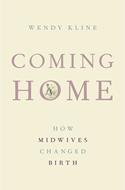
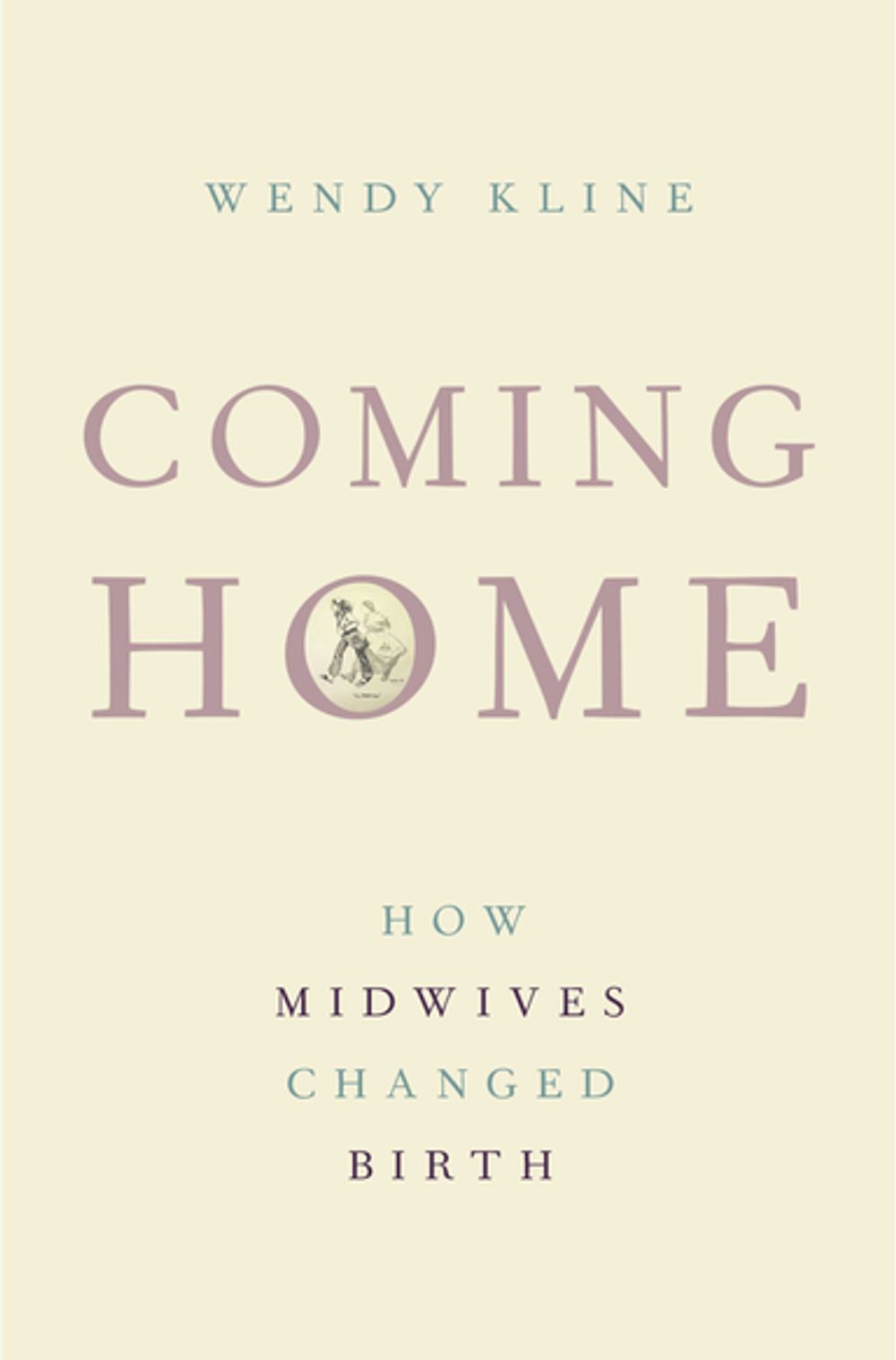


By the mid-twentieth century, two things appeared destined for extinction in the United States: the practice of home birth and the profession of midwifery. In 1940, close to half of all U.S. births took place in the hospital, and the trend was increasing. By 1970, the percentage of hospital births reached an all-time high of 99.4%, and the obstetrician, rather than the midwife, assumed nearly complete control over what had become an entirely medicalized procedure. Then, seemingly out of nowhere, an explosion of new alternative organizations, publications, and conferences cropped up, documenting a very different demographic trend; by 1977, the percentage of out-of-hospital births had more than doubled. Home birth was making a comeback, but why? The executive director of the American College of Obstetricians and Gynecologists publicly noted in 1977 the "rising tide of demand for home delivery," describing it as an "anti-intellectual-anti-science revolt." A quiet revolution spread across cities and suburbs, towns and farms, as individuals challenged legal, institutional and medical protocols by choosing unlicensed midwives to catch their babies at home. Coming Home analyzes the ideas, values, and experiences that led to this quiet revolution and its long-term consequences for our understanding of birth, medicine, and culture. Who were these self-proclaimed midwives and how did they learn their trade? Because the United States had virtually eliminated midwifery in most areas by the mid-twentieth century, most of them had little knowledge of or exposure to the historic practice, drawing primarily on obstetrical texts, trial and error, and sometimes instruction from aging home birth physicians to learn their craft. While their constituents were primarily drawn from the educated white middle class, their model of care (which ultimately drew on the wisdom and practice of a more diverse, global pool of midwives) had the potential to transform birth practices for all women, both in and out of the hospital.
-
Autore:
-
Anno edizione:2018
-
Editore:
-
Formato:
-
Lingua:Inglese
Compatibilità:
Tutti i dispositivi (eccetto Kindle) Scopri di più
Layout:
Reflowable
EAN:
9780190232535

Formato:
Gli eBook venduti da Feltrinelli.it sono in formato ePub e possono essere protetti da Adobe DRM. In caso di download di un file protetto da DRM si otterrà un file in formato .acs, (Adobe Content Server Message), che dovrà essere aperto tramite Adobe Digital Editions e autorizzato tramite un account Adobe, prima di poter essere letto su pc o trasferito su dispositivi compatibili.
Cloud:
Gli eBook venduti da Feltrinelli.it sono sincronizzati automaticamente su tutti i client di lettura Kobo successivamente all’acquisto. Grazie al Cloud Kobo i progressi di lettura, le note, le evidenziazioni vengono salvati e sincronizzati automaticamente su tutti i dispositivi e le APP di lettura Kobo utilizzati per la lettura.
Clicca qui per sapere come scaricare gli ebook utilizzando un pc con sistema operativo Windows
