










EBOOK IN LINGUA STRANIERA





The Copenhagen Network

51,47 €
+510
punti 
Venditore: Feltrinelli

Acquista online
Scaricabile subito
Articolo acquistabile con Carta del Docente

Articolo acquistabile con Carta Cultura Giovani e Carta del Merito

Articolo acquistabile con Carta della Cultura

Dati e Statistiche
 Salvato in 0 liste dei desideri
Salvato in 0 liste dei desideri
The Copenhagen Network
Scaricabile subito
51,47 €
51,47 €
Scaricabile subito

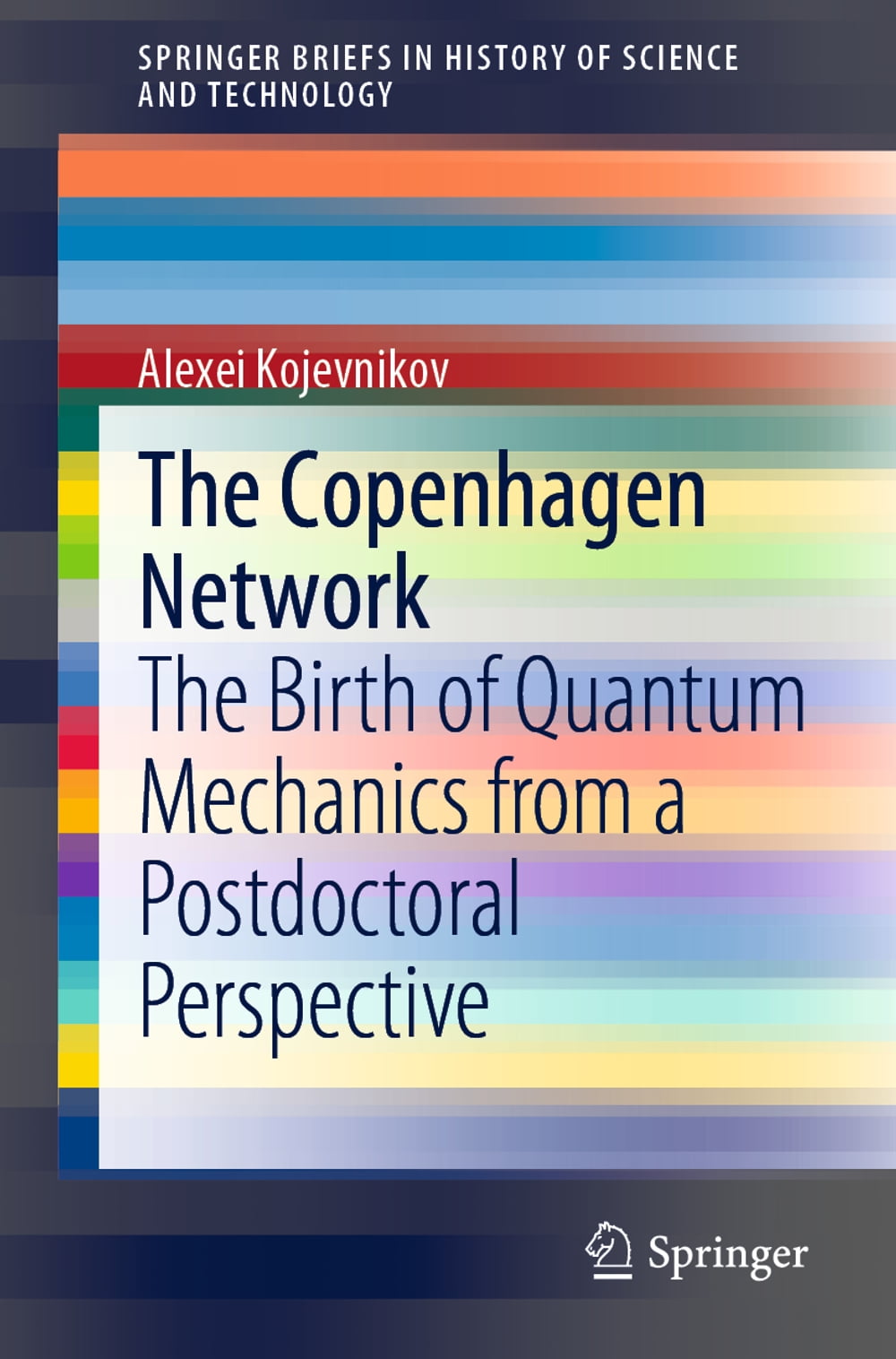



This book is a historical analysis of the quantum mechanical revolution and the emergence of a new discipline from the perspective, not of a professor, but of a recent or actual Ph.D. student just embarking on an uncertain academic career in economically hard times. Quantum mechanics exploded on to the intellectual scene between 1925 and 1927, with more than 200 publications across the world, the majority of them authored by young scientists under the age of 30, graduate students or postdoctoral fellows. The resulting theory was a collective product that no single authority could claim, but it had a major geographical nod – the Copenhagen Institute of Theoretical Physics – where most of the informal, pre-published exchange of ideas occurred and where every participant of the new community aspired to visit. A rare combination of circumstances and resources – political, diplomatic, financial, and intellectual – allowed Niels Bohr to establish this “Mecca” of quantum theory outside of traditional and more powerful centres of science. Transitory international postdoctoral fellows, rather than established professors, developed a culture of research that became the source of major innovations in the field. Temporary assistantships, postdoctoral positions, and their equivalents were the chief mode of existence for young academics during the period of economic crisis and post-WWI international tensions. Insecure career trajectories and unpredictable moves through non-stable temporary positions contributed to their general outlook and interpretations of the emerging theory of quantum mechanics. This book is part of a four-volume collection addressing the beginnings of quantum physics research at the major European centres of Göttingen, Copenhagen, Berlin, and Munich; these works emerged from an expansive study on the quantum revolution as a major transformation of physical knowledge undertaken by the Max Planck Institute for the History of Science and the Fritz HaberInstitute (2006–2012). For more on this project, see the dedicated Feature Story, The Networks of Early Quantum Theory, at the Max Planck Institute for the History of Science, https://www.mpiwg-berlin.mpg.de/feature-story/networks-early-quantum-theory
-
Autore:
-
Anno edizione:2020
-
Editore:
-
Formato:
-
Lingua:Inglese
Compatibilità:
Tutti i dispositivi (eccetto Kindle) Scopri di più
Layout:
Reflowable
EAN:
9783030591885

Formato:
Gli eBook venduti da Feltrinelli.it sono in formato ePub e possono essere protetti da Adobe DRM. In caso di download di un file protetto da DRM si otterrà un file in formato .acs, (Adobe Content Server Message), che dovrà essere aperto tramite Adobe Digital Editions e autorizzato tramite un account Adobe, prima di poter essere letto su pc o trasferito su dispositivi compatibili.
Cloud:
Gli eBook venduti da Feltrinelli.it sono sincronizzati automaticamente su tutti i client di lettura Kobo successivamente all’acquisto. Grazie al Cloud Kobo i progressi di lettura, le note, le evidenziazioni vengono salvati e sincronizzati automaticamente su tutti i dispositivi e le APP di lettura Kobo utilizzati per la lettura.
Clicca qui per sapere come scaricare gli ebook utilizzando un pc con sistema operativo Windows
