










EBOOK IN LINGUA STRANIERA





Designing Rulemaking

88,39 €
+880
punti 
Prezzo minimo ultimi 30 giorni: 86,73 €
Venditore: Feltrinelli

Acquista online
Scaricabile subito
Articolo acquistabile con Carta del Docente

Articolo acquistabile con Carta Cultura Giovani e Carta del Merito

Articolo acquistabile con Carta della Cultura

Dati e Statistiche
 Salvato in 0 liste dei desideri
Salvato in 0 liste dei desideri
Designing Rulemaking
Scaricabile subito
88,39 €
88,39 €
Scaricabile subito

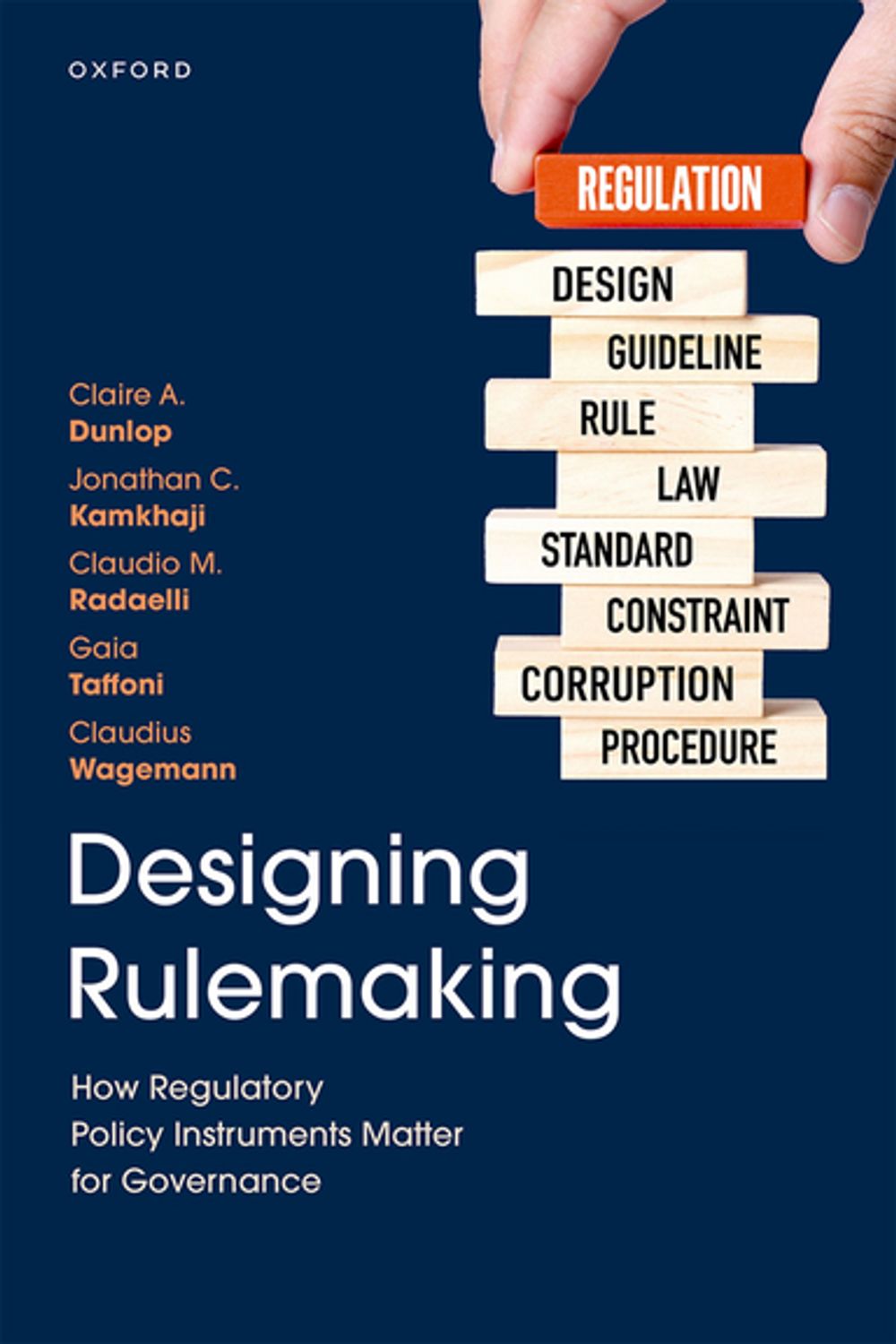


This is an open access title available under the terms of a CC BY-NC-ND 4.0 International licence. It is free to read on the Oxford Academic platform and offered as a free PDF download from OUP and selected open access locations. Over the last twenty-five years, many governments around the world have adopted access to information legislation, introduced or re-designed impact assessment procedures for proposed legislation, created ombudsman offices, and engaged stakeholders in various types of consultation. With a general aim of making rulemaking more transparent and inclusive and ultimately more efficient, these governments - nudged by the advocacy of International Organizations - have reformed the design of their rulemaking procedures and calibrated them in specific yet distinct ways. The question arises: do these innovations, designed to open up rulemaking process and make regulation better, have an actual effect on policy and governance outcomes? In Designing Rulemaking, the authors answer this question with a novel, purpose-built dataset on regulatory design based on the legal provisions disciplining four rulemaking procedures - impact assessment, stakeholder consultation, freedom of information, and ombudsman procedures. Examining twenty-eight countries (the EU twenty-seven plus the UK), the dataset operationalises rules as data and measures the design features of each procedure in each country. The authors then, using set-theoretic methods, consider the effects of these combinations of designs of rulemaking procedures on the quality of the business environment, perception of corruption, and environmental performance. Their findings shatter predominant views on policy change in Europe and offer a varied, detailed, granular account of the efficacy of regulatory design.
-
Autore:
-
Anno edizione:2024
-
Editore:
-
Formato:
-
Lingua:Inglese
Compatibilità:
Tutti i dispositivi (eccetto Kindle) Scopri di più
Layout:
Reflowable
EAN:
9780192695536

Formato:
Gli eBook venduti da Feltrinelli.it sono in formato ePub e possono essere protetti da Adobe DRM. In caso di download di un file protetto da DRM si otterrà un file in formato .acs, (Adobe Content Server Message), che dovrà essere aperto tramite Adobe Digital Editions e autorizzato tramite un account Adobe, prima di poter essere letto su pc o trasferito su dispositivi compatibili.
Cloud:
Gli eBook venduti da Feltrinelli.it sono sincronizzati automaticamente su tutti i client di lettura Kobo successivamente all’acquisto. Grazie al Cloud Kobo i progressi di lettura, le note, le evidenziazioni vengono salvati e sincronizzati automaticamente su tutti i dispositivi e le APP di lettura Kobo utilizzati per la lettura.
Clicca qui per sapere come scaricare gli ebook utilizzando un pc con sistema operativo Windows
