










EBOOK IN LINGUA STRANIERA





Direct-Fed Microbials and Prebiotics for Animals

131,03 €
+1310
punti 
Venditore: Feltrinelli

Acquista online
Scaricabile subito
Articolo acquistabile con Carta del Docente

Articolo acquistabile con Carta Cultura Giovani e Carta del Merito

Articolo acquistabile con Carta della Cultura

Dati e Statistiche
 Salvato in 0 liste dei desideri
Salvato in 0 liste dei desideri
Direct-Fed Microbials and Prebiotics for Animals
Scaricabile subito
131,03 €
131,03 €
Scaricabile subito
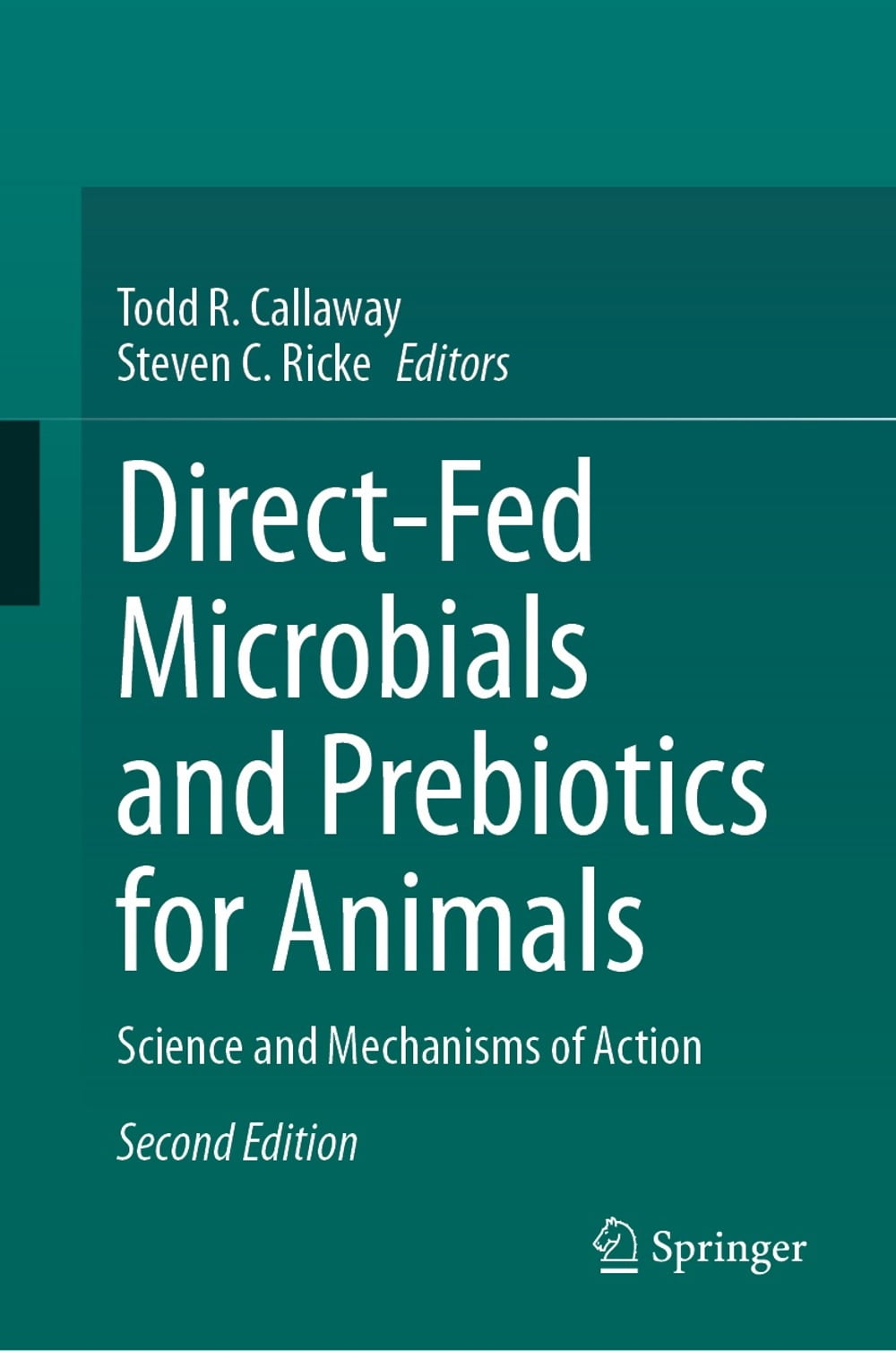


In this exciting update, readers will learn how feeding direct-fed microbials (including eubiotics, postbiotics, prebiotics, and synbiotics) is becoming increasingly widespread during food animal production. Animal production must improve efficiency of growth, and the use of direct-fed microbial and prebiotic additives to domestic animals has become widely accepted and utilized. The benefits of probiotic-type approaches in cattle, pigs, fish, and poultry, include improved general animal health, reduced foodborne pathogen populations, increased growth rate and feed efficiency, improved milk and egg production, and have been reported world-wide. Successes from probiotic approaches in multiple species have ensured their adoption; however, several fundamental questions remain. Early establishment and retention of an ecological balance in the gastrointestinal tract is an important first step for an external biological additive to be effective in young animals, suggesting that some of the benefits of direct-fed microbials may be due to an early establishment of a “normal” native gut microbial population. Research has indicated that the establishment of a normal population can enhance gut epithelial integrity, preventing inflammation and improving animal health. Thus, it is important that we understand the key processes that occur during the establishment of the gut microbial population that can impact gastrointestinal fermentation and provide protection against pathogens of the animals and of human consumers. Knowing how these processes work and how they impact animal energy and protein expenditures can guide further improvements of available and future commercial products. Exciting research opportunities are discussed in this book, examining different characteristics of DFMs that are fed to animals to meet different production demands in different production scenarios (e.g., beef versus dairy versus swine versusfin fish). The advent of molecular and next-generation sequencing offers methods of developing tailored DFMs, and of early detection of successful DFM establishment in the gut. These techniques will further deepen our insight into understanding the microbial population of the gut and how these populations impact animal health, food safety, and sustainability of animal-derived protein production.
-
Curatore:
-
Anno edizione:2023
-
Editore:
-
Formato:
Lingua:
Inglese
Compatibilità:
Tutti i dispositivi (eccetto Kindle) Scopri di più
Layout:
Reflowable
EAN:
9783031405129

Formato:
Gli eBook venduti da Feltrinelli.it sono in formato ePub e possono essere protetti da Adobe DRM. In caso di download di un file protetto da DRM si otterrà un file in formato .acs, (Adobe Content Server Message), che dovrà essere aperto tramite Adobe Digital Editions e autorizzato tramite un account Adobe, prima di poter essere letto su pc o trasferito su dispositivi compatibili.
Cloud:
Gli eBook venduti da Feltrinelli.it sono sincronizzati automaticamente su tutti i client di lettura Kobo successivamente all’acquisto. Grazie al Cloud Kobo i progressi di lettura, le note, le evidenziazioni vengono salvati e sincronizzati automaticamente su tutti i dispositivi e le APP di lettura Kobo utilizzati per la lettura.
Clicca qui per sapere come scaricare gli ebook utilizzando un pc con sistema operativo Windows
