









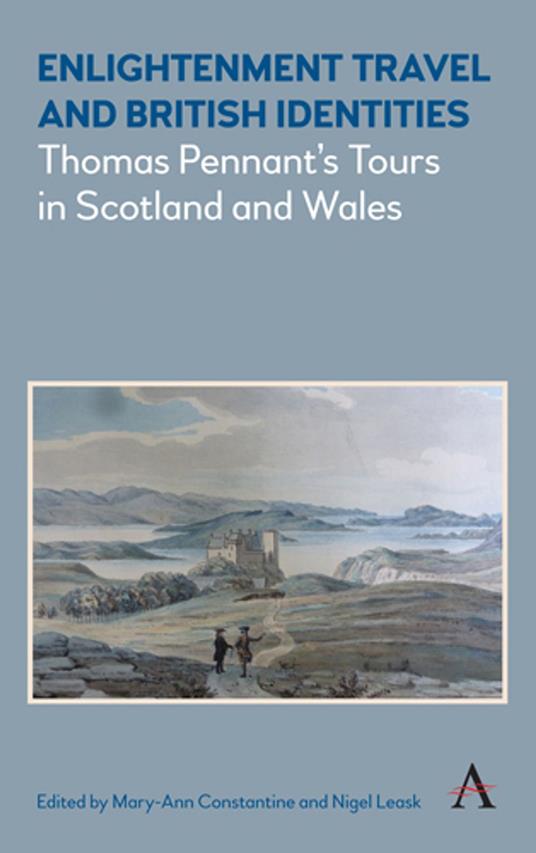
EBOOK IN LINGUA STRANIERA





Enlightenment Travel and British Identities

18,40 €
+180
punti 
Venditore: Feltrinelli

Acquista online
Scaricabile subito
Articolo acquistabile con Carta del Docente

Articolo acquistabile con Carta Cultura Giovani e Carta del Merito

Articolo acquistabile con Carta della Cultura

Abbonati a Kobo plus per avere accesso illimitato a questo contenuto

Dati e Statistiche
 Salvato in 0 liste dei desideri
Salvato in 0 liste dei desideri
Enlightenment Travel and British Identities
Scaricabile subito
18,40 €
18,40 €
Scaricabile subito
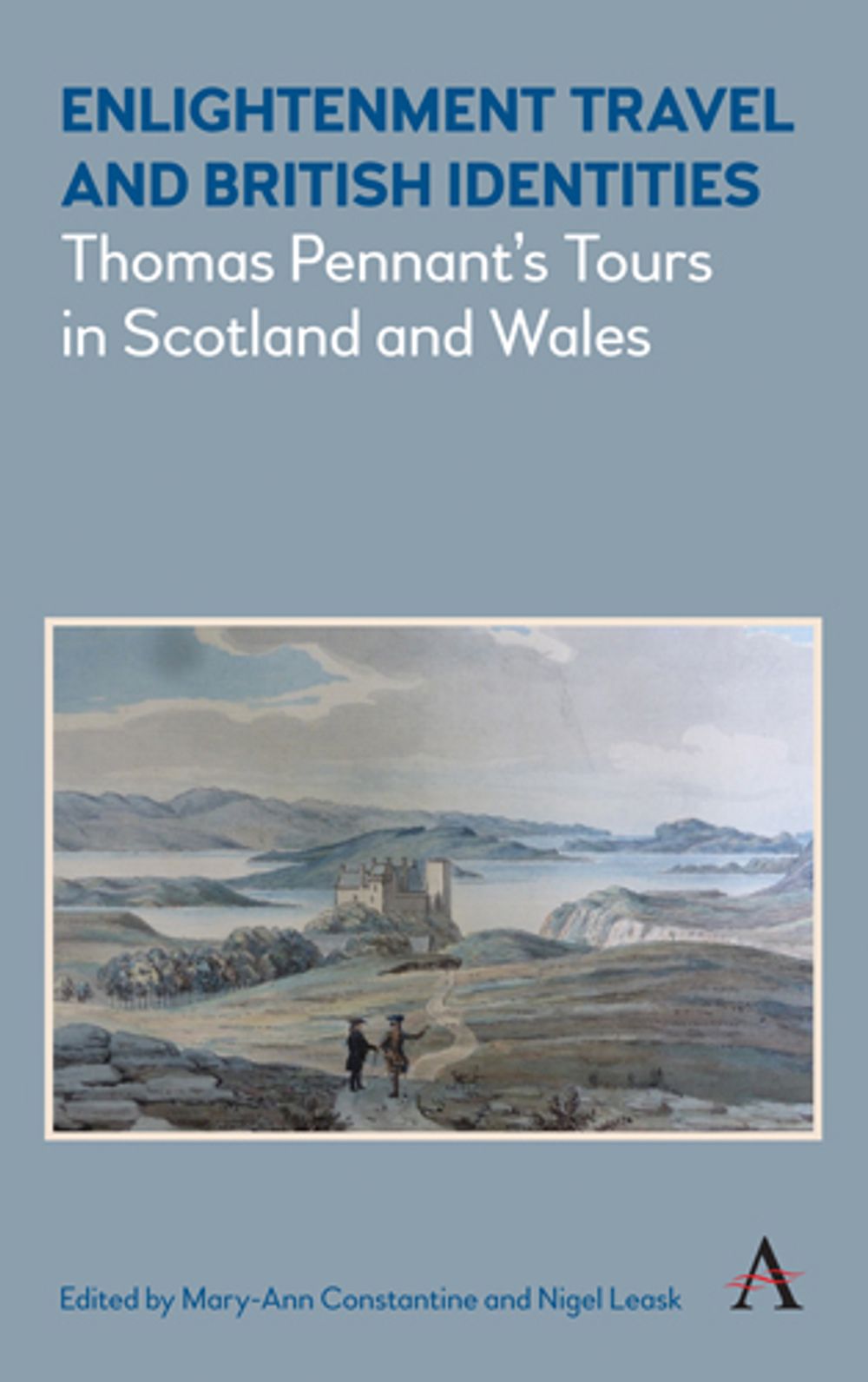


Thomas Pennant of Downing, Flintshire (1726–1798), naturalist, antiquarian and self-styled ‘Curious Traveller’, published accounts of his pioneering travels in Scotland and Wales to wide acclaim between 1769 and 1784, directly inspiring Dr Johnson, James Boswell and hundreds of subsequent tourists. A keen observer and cataloguer of plants, birds, minerals and animals, Pennant corresponded with a trans-continental network of natural scientists (Linnaeus, Simon Pallas, Joseph Banks, Gilbert White), and was similarly well-connected with leading British antiquarians (William Borlase, Francis Grose, Richard Gough). Frequently cited as witness or authority across a wide range of disciplines, Pennant’s texts have seldom been themselves the focus of critical attention. There is as yet no biography of Pennant, nor any edition of his prolific correspondence with many of the leading minds of the European Enlightenment. The ‘Tours’ were widely read and much imitated. As annotated copies reveal, readers were far from passive in their responses to the text, and ‘local knowledge’ would occasionally be summoned to challenge or correct them. But Pennant indisputably helped bring about a richer, more complex understanding of the multiple histories and cultures of Britain at a time when ‘Britishness’ was itself a fragile and developing concept. Because the ‘Tours’ drew on a vast network of informants (often incorporating material wholesale), they are, as texts, fascinatingly multi-voiced: many of the period’s political tensions run through them. This volume of eleven essays seeks to address the comparative neglect of Pennant’s travel writing by bringing together researchers from literary criticism, art history, Celtic studies, archaeology and natural history. Attentive to the visual as well as textual aspects of his topographical enquiries, it demonstrates how much there is to be said about the cross-currents (some pulling in quite contrary directions) in Pennant’s work. In so doing they rehabilitate a neglected aspect of the Enlightenment in relation to questions of British identity, offering a new assessment of an important chapter in the development of domestic travel writing.
-
Curatore:
-
Anno edizione:2017
-
Editore:
-
Formato:
Lingua:
Inglese
Compatibilità:
Tutti i dispositivi (eccetto Kindle) Scopri di più
Layout:
Reflowable
EAN:
9781783086559

Formato:
Gli eBook venduti da Feltrinelli.it sono in formato ePub e possono essere protetti da Adobe DRM. In caso di download di un file protetto da DRM si otterrà un file in formato .acs, (Adobe Content Server Message), che dovrà essere aperto tramite Adobe Digital Editions e autorizzato tramite un account Adobe, prima di poter essere letto su pc o trasferito su dispositivi compatibili.
Cloud:
Gli eBook venduti da Feltrinelli.it sono sincronizzati automaticamente su tutti i client di lettura Kobo successivamente all’acquisto. Grazie al Cloud Kobo i progressi di lettura, le note, le evidenziazioni vengono salvati e sincronizzati automaticamente su tutti i dispositivi e le APP di lettura Kobo utilizzati per la lettura.
Clicca qui per sapere come scaricare gli ebook utilizzando un pc con sistema operativo Windows
