









EBOOK IN LINGUA STRANIERA





The Fears of Henry IV

12,99 €
+130
punti 
Venditore: Feltrinelli

Acquista online
Scaricabile subito
Articolo acquistabile con Carta del Docente

Articolo acquistabile con Carta Cultura Giovani e Carta del Merito

Dati e Statistiche
 Salvato in 0 liste dei desideri
Salvato in 0 liste dei desideri
The Fears of Henry IV
Scaricabile subito
12,99 €
12,99 €
Scaricabile subito
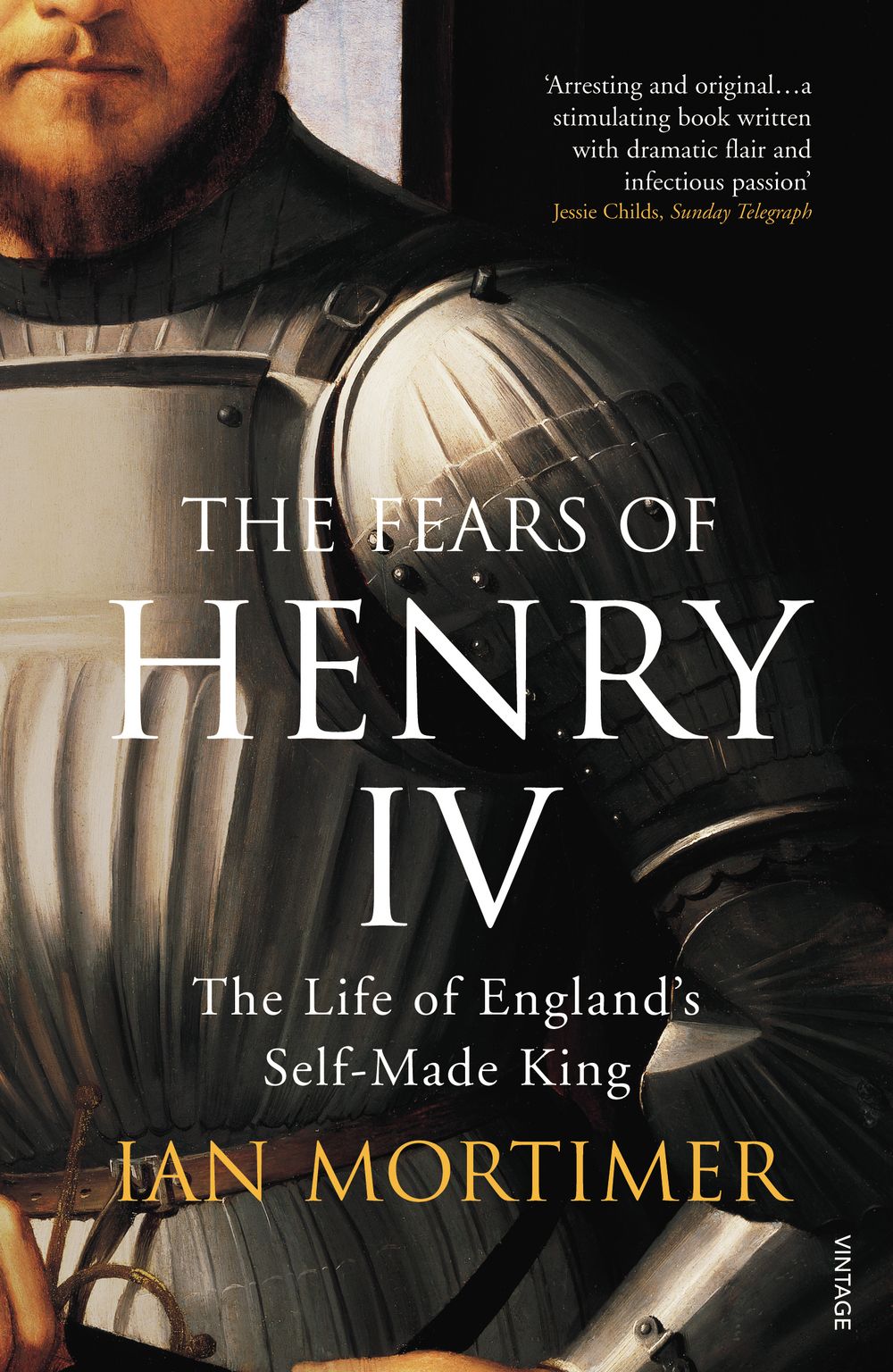



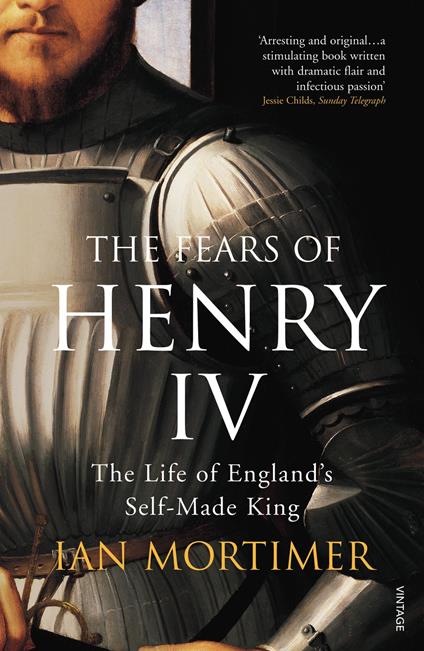
In June 1405, King Henry IV stopped at a small Yorkshire manor house to shelter from a storm. That night he awoke screaming that traitors were burning his skin. His instinctive belief that he was being poisoned was understandable: he had already survived at least eight plots to dethrone or kill him in the first six years of his reign. Henry IV had not always been so unpopular. In his youth he had been a great chivalric champion and crusader. The son of John of Gaunt, he was courteous, confident, well-educated, generous, devoted to his family, musical and spiritually fervent. In 1399, at the age of thirty-two, he was enthusiastically greeted as the saviour of the realm when he ousted from power the insecure and tyrannical King Richard II. But therein lay Henry's weakness. In making himself king he had broken God's law and left himself starkly open to criticism.He had to contend with men who supported him only as long as they could control him; when they failed, they plotted to kill him. Welsh, French and Scottish adversaries also tried to take advantage of his questionable right to the crown. Such overwhelming threats transformed him from a hero into a duplicitous murderer: a king prepared to go to any lengths to save his family and his throne. That legacy of unrest has almost entirely obscured him. Henry's reputation in the sixteenth century was such that merely to write about him was to risk imprisonment in the Tower. Shakespeare was forced to downplay his achievements, and instead to present his adversary Richard II as the wronged man. But what Henry actually provoked was a social revolution as much as a political one. Against all the odds, he took a poorly ruled nation, established a new Lancastrian dynasty, and introduced the principle that a king must act in accordance with parliament. He might not have been the most glorious king England ever had, but he was one of the bravest, and certainly the greatest survivor of them all.
-
Autore:
-
Anno edizione:2013
-
Editore:
-
Formato:
-
Lingua:Inglese
Compatibilità:
Tutti i dispositivi (eccetto Kindle) Scopri di più
Layout:
Reflowable
EAN:
9781407066332
Formato:
Gli eBook venduti da Feltrinelli.it sono in formato ePub e possono essere protetti da Adobe DRM. In caso di download di un file protetto da DRM si otterrà un file in formato .acs, (Adobe Content Server Message), che dovrà essere aperto tramite Adobe Digital Editions e autorizzato tramite un account Adobe, prima di poter essere letto su pc o trasferito su dispositivi compatibili.
Cloud:
Gli eBook venduti da Feltrinelli.it sono sincronizzati automaticamente su tutti i client di lettura Kobo successivamente all’acquisto. Grazie al Cloud Kobo i progressi di lettura, le note, le evidenziazioni vengono salvati e sincronizzati automaticamente su tutti i dispositivi e le APP di lettura Kobo utilizzati per la lettura.
Clicca qui per sapere come scaricare gli ebook utilizzando un pc con sistema operativo Windows
