









EBOOK IN LINGUA STRANIERA





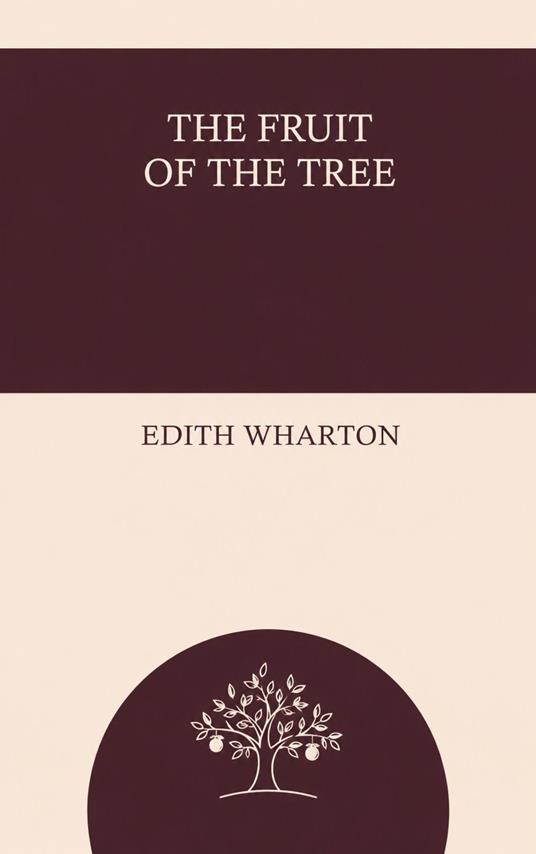
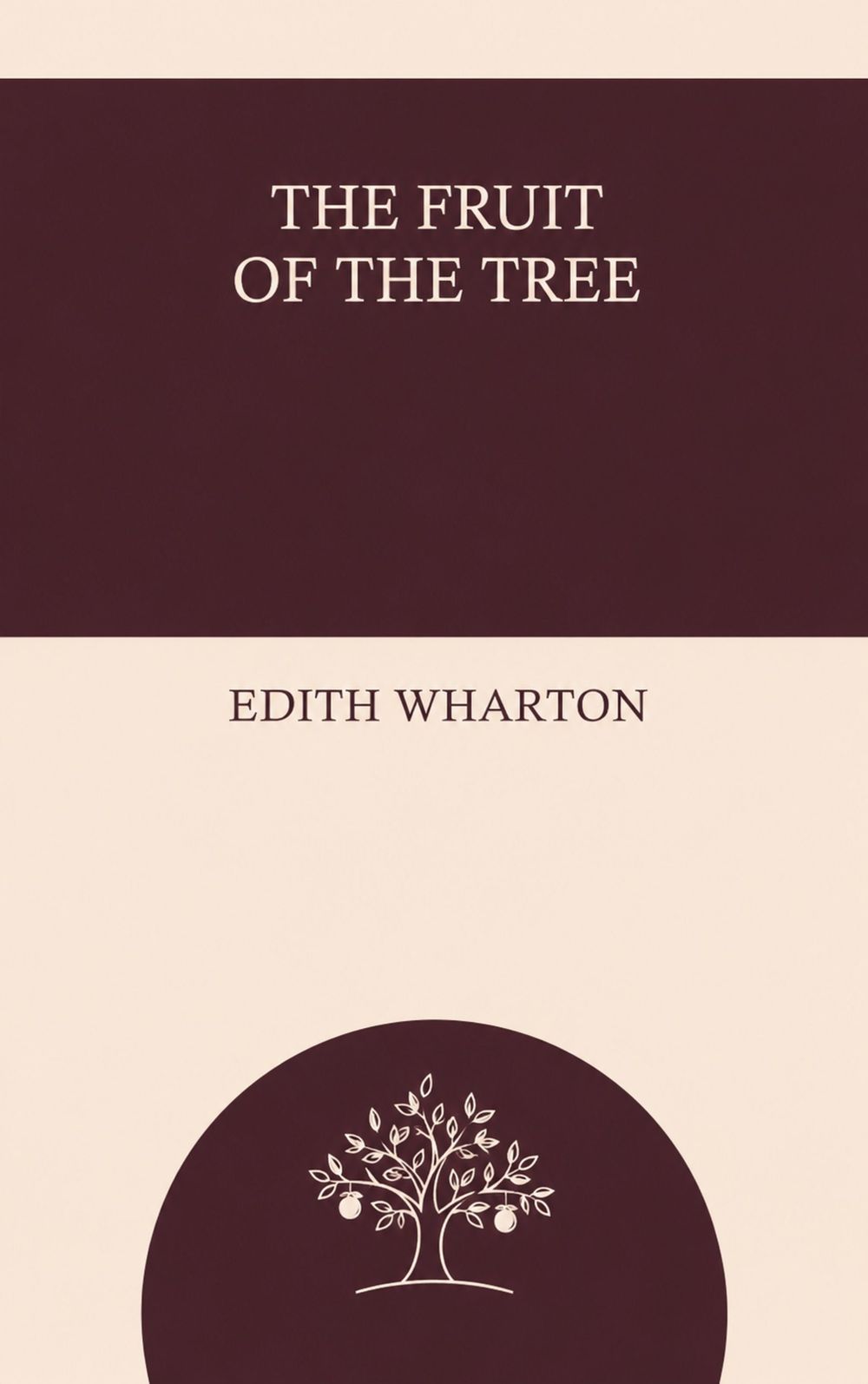
The Fruit of the Tree

0,49 €
Venditore: Feltrinelli

Acquista online
Scaricabile subito
Articolo acquistabile con Carta del Docente

Articolo acquistabile con Carta Cultura Giovani e Carta del Merito

Articolo acquistabile con Carta della Cultura

Abbonati a Kobo plus per avere accesso illimitato a questo contenuto

Dati e Statistiche
 Salvato in 0 liste dei desideri
Salvato in 0 liste dei desideri
The Fruit of the Tree
Scaricabile subito
0,49 €
0,49 €
Scaricabile subito


The Fruit of the Tree by Edith Wharton is a powerful and thought-provoking novel that explores morality, industrial society, social responsibility, and the emotional complexities of human relationships in early 20th-century America. First published in 1907, the novel combines social criticism with psychological depth, reflecting Wharton's keen insight into both personal and societal conflicts. The story centers on John Amherst, an idealistic and intelligent man deeply concerned with improving working conditions in industrial communities. His dedication to social reform and ethical responsibility leads him into the world of corporate management, where he attempts to balance humanitarian ideals with the realities of business and social expectation. As Amherst becomes increasingly involved in the administration of a large manufacturing enterprise, he encounters resistance from traditional power structures and individuals who prioritize profit and status over reform. His efforts to create safer and more humane conditions for workers place him at the center of moral and social debates that challenge both his convictions and relationships. The novel also explores Amherst's complicated emotional life, particularly his connection with Justine Brent, a compassionate and thoughtful woman whose own moral struggles become central to the narrative. Their relationship develops within a framework of ethical dilemmas, personal sacrifice, and emotional tension. Edith Wharton examines difficult questions surrounding duty, suffering, compassion, and the consequences of individual choices. The title itself reflects the idea that human actions inevitably produce outcomes that shape both personal lives and society as a whole. Set against the backdrop of industrial America, the novel portrays the stark contrast between wealth and labor, privilege and hardship. Wharton's social observations highlight the human cost of industrial progress while also exploring the limitations of reform within entrenched systems of power. The narrative is notable for its psychological realism and its willingness to confront morally complex issues without offering simple answers. Wharton presents her characters as deeply human individuals struggling to reconcile personal desire, ethical responsibility, and social expectation. The Fruit of the Tree remains an important work of American literary realism, admired for its exploration of social reform, emotional conflict, and moral ambiguity. Ideal for readers of classic literature, social drama, and psychologically rich fiction, this novel offers a compelling examination of conscience, responsibility, and the far-reaching consequences of human decisions.
-
Autore:
-
Anno edizione:2026
-
Editore:
-
Formato:
-
Lingua:Inglese
Compatibilità:
Tutti i dispositivi (eccetto Kindle) Scopri di più
Layout:
Reflowable
EAN:
9780145306052


Formato:
Gli eBook venduti da Feltrinelli.it sono in formato ePub e possono essere protetti da Adobe DRM. In caso di download di un file protetto da DRM si otterrà un file in formato .acs, (Adobe Content Server Message), che dovrà essere aperto tramite Adobe Digital Editions e autorizzato tramite un account Adobe, prima di poter essere letto su pc o trasferito su dispositivi compatibili.
Cloud:
Gli eBook venduti da Feltrinelli.it sono sincronizzati automaticamente su tutti i client di lettura Kobo successivamente all’acquisto. Grazie al Cloud Kobo i progressi di lettura, le note, le evidenziazioni vengono salvati e sincronizzati automaticamente su tutti i dispositivi e le APP di lettura Kobo utilizzati per la lettura.
Clicca qui per sapere come scaricare gli ebook utilizzando un pc con sistema operativo Windows
