









EBOOK IN LINGUA STRANIERA





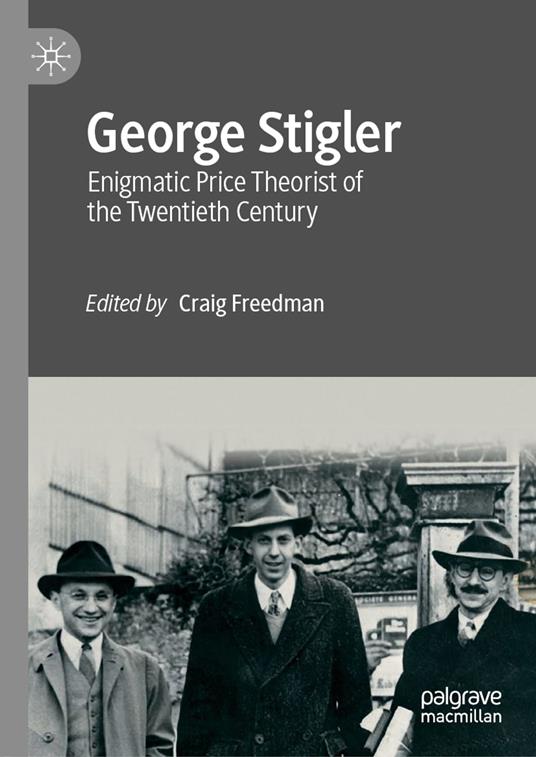
George Stigler

364,09 €
+3640
punti 
Venditore: Feltrinelli

Acquista online
Scaricabile subito
Articolo acquistabile con Carta del Docente

Articolo acquistabile con Carta Cultura Giovani e Carta del Merito

Articolo acquistabile con Carta della Cultura

Dati e Statistiche
 Salvato in 0 liste dei desideri
Salvato in 0 liste dei desideri
George Stigler
Scaricabile subito
364,09 €
364,09 €
Scaricabile subito

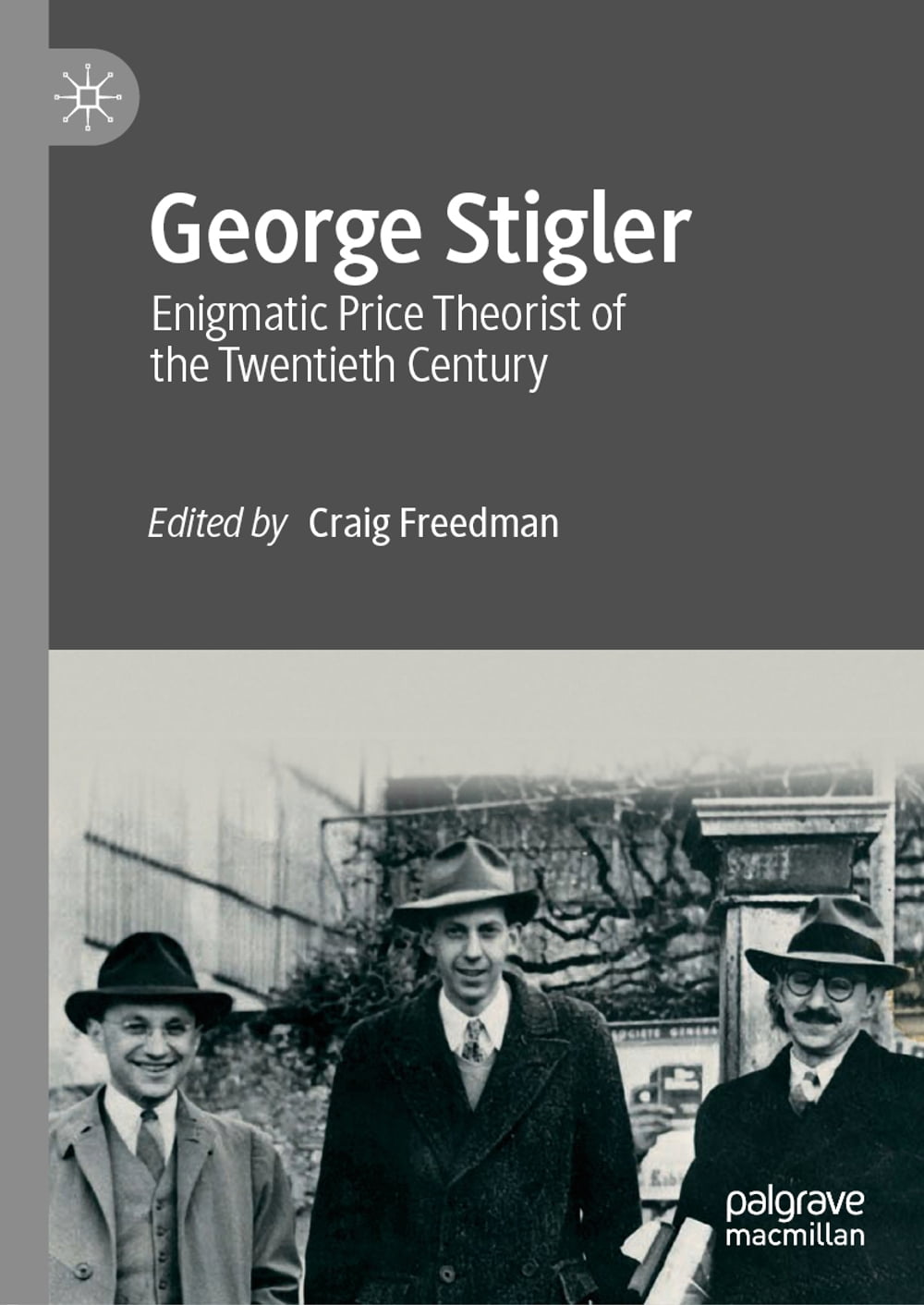



George Stigler (1911-1991) was unquestionably one of the post-war giants of the economics profession. Along with such compatriots as Milton Friedman, Aaron Director, Gary Becker and others at Chicago, he would manage to radically reshape the contours of the discipline, engineering a virtual counter-revolution against the previous post-war consensus. Stigler essentially pioneered the fields of industrial organisation and regulatory economics while contributing landmark studies to the history of economic thought. George Stigler was awarded a much-deserved Nobel Prize in 1982. At heart always a shy boy from the provinces, defending himself and his beliefs against the demands of a more wicked and devious world, he remained one of the only truly inscrutable figures in the history of modern economics. A kind, deeply caring family man, he fended off those outside his inner circle by employing a razor sharp, and often cruel, wit, keeping friends, colleagues and especially enemies at an arm’s distance. “… [there was] the student who came to George complaining that he didn’t deserve the ‘F’ he’d received in George’s course. George agreed but explained that ‘F’ was the lowest grade the administration allowed him to give.” Many who had the fortune, or misfortune, of coming within the range of his sharp tongue, even in the seeming context of an innocent encounter, would bear the scars of that contact for years to come. “With a paper like this, [delivering it] under the table, would not be inappropriate.” This volume is then one of the first to shed light on an entirely enigmatic figure by approaching both the man and his work from very divergent and original perspectives. Whether it succeeds is up to the whims of the reader. Or as George Stigler was wont to say, “Let the chips fall where they may.”
-
Curatore:
-
Anno edizione:2020
-
Editore:
-
Formato:
Lingua:
Inglese
Compatibilità:
Tutti i dispositivi (eccetto Kindle) Scopri di più
Layout:
Reflowable
EAN:
9781137568151

Formato:
Gli eBook venduti da Feltrinelli.it sono in formato ePub e possono essere protetti da Adobe DRM. In caso di download di un file protetto da DRM si otterrà un file in formato .acs, (Adobe Content Server Message), che dovrà essere aperto tramite Adobe Digital Editions e autorizzato tramite un account Adobe, prima di poter essere letto su pc o trasferito su dispositivi compatibili.
Cloud:
Gli eBook venduti da Feltrinelli.it sono sincronizzati automaticamente su tutti i client di lettura Kobo successivamente all’acquisto. Grazie al Cloud Kobo i progressi di lettura, le note, le evidenziazioni vengono salvati e sincronizzati automaticamente su tutti i dispositivi e le APP di lettura Kobo utilizzati per la lettura.
Clicca qui per sapere come scaricare gli ebook utilizzando un pc con sistema operativo Windows
