










LIBRO INGLESE





Guidance on PFAS Exposure, Testing, and Clinical Follow-Up

42,50 €
+430
punti 
Venditore: Feltrinelli
Articolo acquistabile con Carta del Docente

Articolo acquistabile con Carta Cultura Giovani e Carta del Merito

Articolo acquistabile con Carta della Cultura

Paga con Klarna in 3 rate senza interessi per ordini superiori a 39 €

Dati e Statistiche
 Salvato in 0 liste dei desideri
Salvato in 0 liste dei desideri
Guidance on PFAS Exposure, Testing, and Clinical Follow-Up
Disponibile in 5 gg lavorativi
42,50 €
42,50 €
Disponibile in 5 gg lavorativi

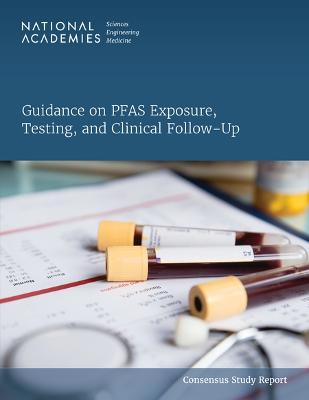



In thousands of communities across the United States, drinking water is contaminated with chemicals known as perfluoroalkyl and polyfluoroalkyl substances (PFAS). PFAS are used in a wide range of products, such as non-stick cookware, water and stain repellent fabrics, and fire-fighting foam, because they have properties that repel oil and water, reduce friction, and resist temperature changes. PFAS can leak into the environment where they are made, used, disposed of, or spilled. PFAS exposure has been linked to a number of adverse health effects including certain cancers, thyroid dysfunction, changes in cholesterol, and small reductions in birth weight. This report recommends that the Centers for Disease Control and Prevention (CDC) update its clinical guidance to advise clinicians to offer PFAS blood testing to patients who are likely to have a history of elevated exposure, such as those with occupational exposures or those who live in areas known to be contaminated. If testing reveals PFAS levels associated with an increased risk of adverse effects, patients should receive regular screenings and monitoring for these and other health impacts. Guidance on PFAS Exposure, Testing, and Clinical Follow-Up recommends that the CDC, Agency for Toxic Substances and Disease Registry (ATSDR), and public health departments support clinicians by creating educational materials on PFAS exposure, potential health effects, the limitations of testing, and the benefits and harms of testing. Table of Contents Front Matter Summary 1 Introduction 2 Principles for Decision Making Under Uncertainty 3 Potential Health Effects of PFAS 4 PFAS Exposure Reduction 5 PFAS Testing and Concentrations to Inform Clinical Care of Exposed Patients 6 Guidance for Clinicians on Exposure Determination, PFAS Testing, and Clinical Follow-Up 7 Revising ATSDR's PFAS Clinical Guidance 8 Implementing the Committee's Recommendations to Improve Public Health Appendix A: Committee Member, Staff, and Community Liaison Biographies Appendix B: Summary of the Committee's Town Halls Appendix C: Public Meeting Agendas Appendix D: Evidence Review: Methods and Approach Appendix E: White Paper: Review of the PFAS Personal Intervention Literature
-
Autore:
-
Editore:
-
Anno:2022
-
Rilegatura:Paperback / softback
-
Pagine:300 p.
Testo in English
Dimensioni:
279 x 216 mm
EAN:
9780309482448

Informazioni e Contatti sulla Sicurezza dei Prodotti
Le schede prodotto sono aggiornate in conformità al Regolamento UE 988/2023. Laddove ci fossero taluni dati non disponibili per ragioni indipendenti da Feltrinelli, vi informiamo che stiamo compiendo ogni ragionevole sforzo per inserirli. Vi invitiamo a controllare periodicamente il sito www.lafeltrinelli.it per eventuali novità e aggiornamenti.
Per le vendite di prodotti da terze parti, ciascun venditore si assume la piena e diretta responsabilità per la commercializzazione del prodotto e per la sua conformità al Regolamento UE 988/2023, nonché alle normative nazionali ed europee vigenti.
Per informazioni sulla sicurezza dei prodotti, contattare productsafety@feltrinelli.it
