










EBOOK IN LINGUA STRANIERA





Has God Said?

22,45 €
+220
punti 
Venditore: Feltrinelli

Acquista online
Scaricabile subito
Articolo acquistabile con Carta del Docente

Articolo acquistabile con Carta Cultura Giovani e Carta del Merito

Articolo acquistabile con Carta della Cultura

Abbonati a Kobo plus per avere accesso illimitato a questo contenuto

Dati e Statistiche
 Salvato in 0 liste dei desideri
Salvato in 0 liste dei desideri
Has God Said?
Scaricabile subito
22,45 €
22,45 €
Scaricabile subito

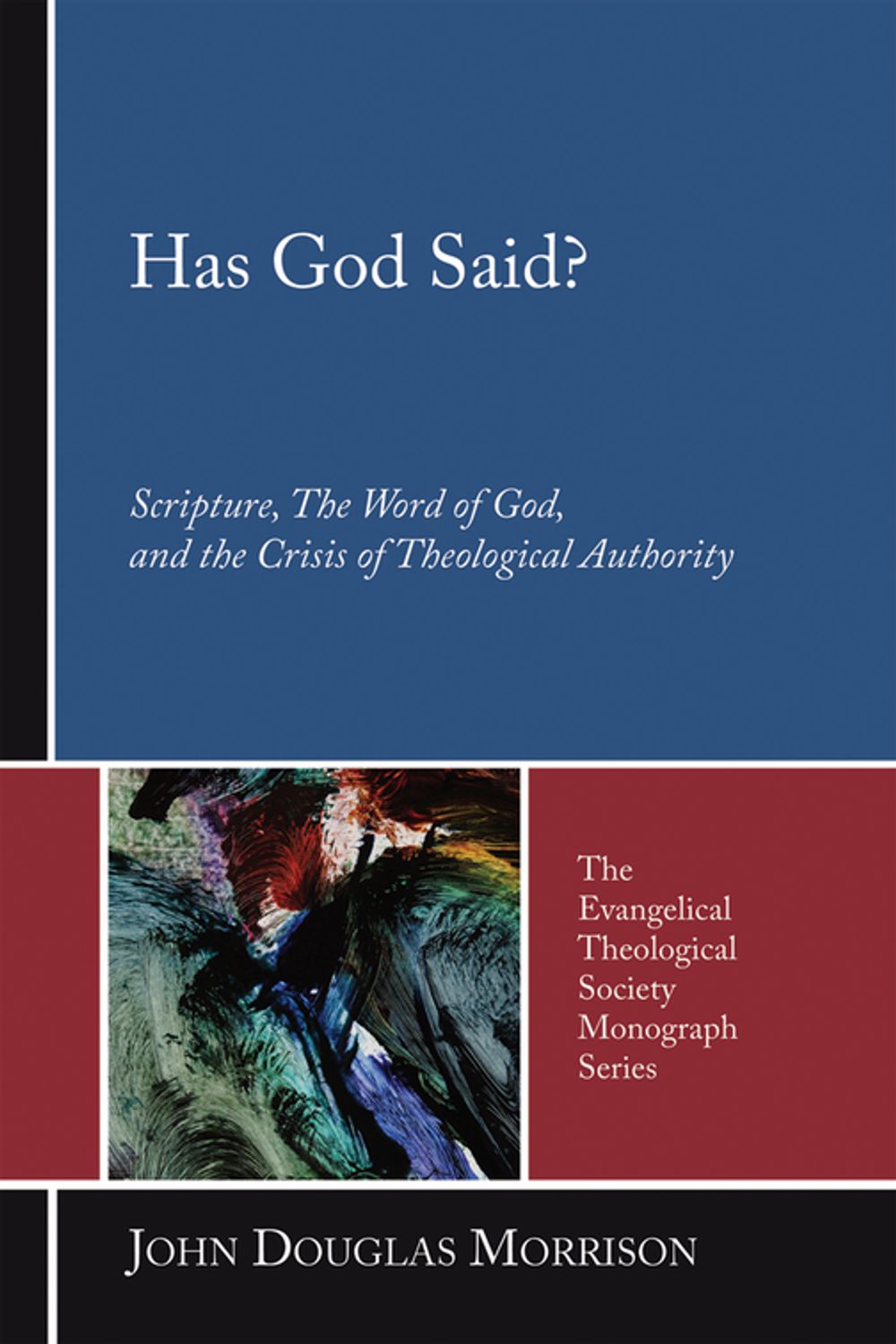



Has God said? Has God actually spoken, declared himself and his purposes to us? Historically the Christian faith has affirmed God's redemptive, revelatory speaking as historical, contentful, redemptive, centrally in Jesus Christ and, under Christ and by the Spirit, in the text of Holy Scripture. But in the past three centuries developments in Western culture have created a crisis in relation to historical, divine authority. The modern reintroduction of destructive dualisms, cosmological and epistemological, via Descartes, Newton, Spinoza, and Kant have injured not only the physical sciences (e.g., positivism) but Christian theology as well. The resulting "eclipse of God" has permeated Western culture. In terms of the Christian understanding of revelation, it has meant the separation of God from historical action, the rejection of God's actual self-declaration, and especially in textual form, Holy Scripture. After critical analysis of these dualistic developments, this book presents the problematic effects in both Protestant (Schleiermacher, Bultmann, Tillich) and Roman Catholic (Rahner, Dulles) theology. The thought and influence of Karl Barth on the nature of Scripture is examined and distinguished from most "Barthian approaches." The effects of dualistic "Barthian" thought on contemporary evangelical views of Scripture (Pinnock, Fackre, Bloesch) are also critically analyzed and responses made (Helm, Wolterstorff, Packer). The final chapter is a christocentric, multileveled reformulation of the classical Scripture Principle, via Einstein, Torrance, and Calvin, that reaffirms the church's historical "identity thesis," that Holy Scripture is the written Word of God, a crucial aspect of God's larger redemptive-revelatory purpose in Christ.
-
Autore:
-
Anno edizione:2006
-
Editore:
-
Formato:
-
Lingua:Inglese
Compatibilità:
Tutti i dispositivi (eccetto Kindle) Scopri di più
Layout:
Reflowable
EAN:
9781498276412

Formato:
Gli eBook venduti da Feltrinelli.it sono in formato ePub e possono essere protetti da Adobe DRM. In caso di download di un file protetto da DRM si otterrà un file in formato .acs, (Adobe Content Server Message), che dovrà essere aperto tramite Adobe Digital Editions e autorizzato tramite un account Adobe, prima di poter essere letto su pc o trasferito su dispositivi compatibili.
Cloud:
Gli eBook venduti da Feltrinelli.it sono sincronizzati automaticamente su tutti i client di lettura Kobo successivamente all’acquisto. Grazie al Cloud Kobo i progressi di lettura, le note, le evidenziazioni vengono salvati e sincronizzati automaticamente su tutti i dispositivi e le APP di lettura Kobo utilizzati per la lettura.
Clicca qui per sapere come scaricare gli ebook utilizzando un pc con sistema operativo Windows
