










EBOOK IN LINGUA STRANIERA





How We Teach Science

31,81 €
+320
punti 
Venditore: Feltrinelli

Acquista online
Scaricabile subito
Articolo acquistabile con Carta del Docente

Articolo acquistabile con Carta Cultura Giovani e Carta del Merito

Articolo acquistabile con Carta della Cultura

Dati e Statistiche
 Salvato in 0 liste dei desideri
Salvato in 0 liste dei desideri
How We Teach Science
Scaricabile subito
31,81 €
31,81 €
Scaricabile subito

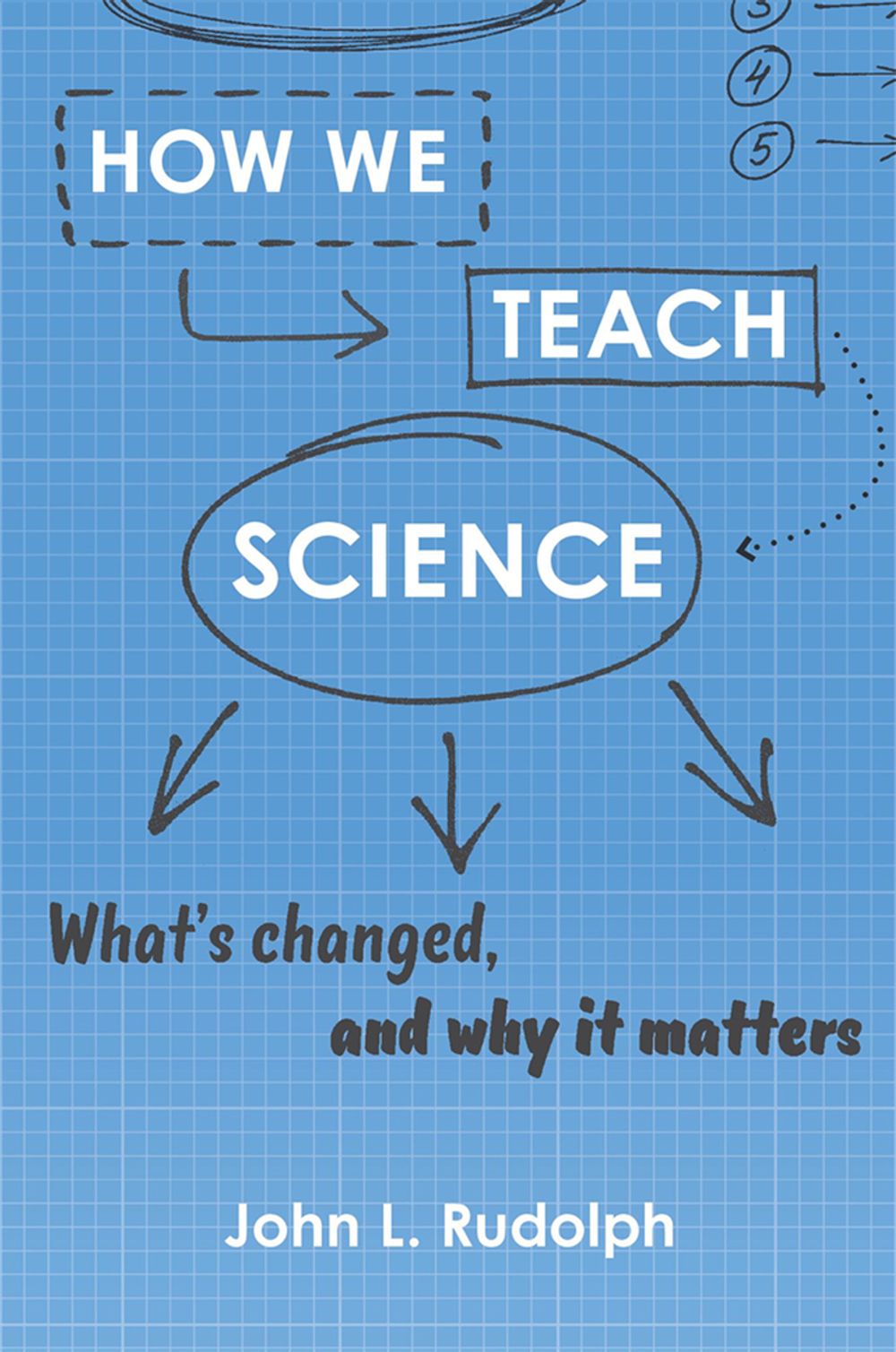



A former Wisconsin high school science teacher makes the case that how and why we teach science matters, especially now that its legitimacy is under attack. Why teach science? The answer to that question will determine how it is taught. Yet despite the enduring belief in this country that science should be taught, there has been no enduring consensus about how or why. This is especially true when it comes to teaching scientific process. Nearly all of the basic knowledge we have about the world is rock solid. The science we teach in high schools in particular—laws of motion, the structure of the atom, cell division, DNA replication, the universal speed limit of light—is accepted as the way nature works. Everyone also agrees that students and the public more generally should understand the methods used to gain this knowledge. But what exactly is the scientific method? Ever since the late 1800s, scientists and science educators have grappled with that question. Through the years, they’ve advanced an assortment of strategies, ranging from “the laboratory method” to the “five-step method” to “science as inquiry” to no method at all. How We Teach Science reveals that each strategy was influenced by the intellectual, cultural, and political circumstances of the time. In some eras, learning about experimentation and scientific inquiry was seen to contribute to an individual’s intellectual and moral improvement, while in others it was viewed as a way to minimize public interference in institutional science. John Rudolph shows that how we think about and teach science will either sustain or thwart future innovation, and ultimately determine how science is perceived and received by the public.
-
Autore:
-
Anno edizione:2019
-
Editore:
-
Formato:
-
Lingua:Inglese
Compatibilità:
Tutti i dispositivi (eccetto Kindle) Scopri di più
Layout:
Reflowable
EAN:
9780674240384

Formato:
Gli eBook venduti da Feltrinelli.it sono in formato ePub e possono essere protetti da Adobe DRM. In caso di download di un file protetto da DRM si otterrà un file in formato .acs, (Adobe Content Server Message), che dovrà essere aperto tramite Adobe Digital Editions e autorizzato tramite un account Adobe, prima di poter essere letto su pc o trasferito su dispositivi compatibili.
Cloud:
Gli eBook venduti da Feltrinelli.it sono sincronizzati automaticamente su tutti i client di lettura Kobo successivamente all’acquisto. Grazie al Cloud Kobo i progressi di lettura, le note, le evidenziazioni vengono salvati e sincronizzati automaticamente su tutti i dispositivi e le APP di lettura Kobo utilizzati per la lettura.
Clicca qui per sapere come scaricare gli ebook utilizzando un pc con sistema operativo Windows
