









EBOOK IN LINGUA STRANIERA





Islamic Monetary Economics and Institutions

131,03 €
+1310
punti 
Venditore: Feltrinelli

Acquista online
Scaricabile subito
Articolo acquistabile con Carta del Docente

Articolo acquistabile con Carta Cultura Giovani e Carta del Merito

Articolo acquistabile con Carta della Cultura

Dati e Statistiche
 Salvato in 0 liste dei desideri
Salvato in 0 liste dei desideri
Islamic Monetary Economics and Institutions
Scaricabile subito
131,03 €
131,03 €
Scaricabile subito
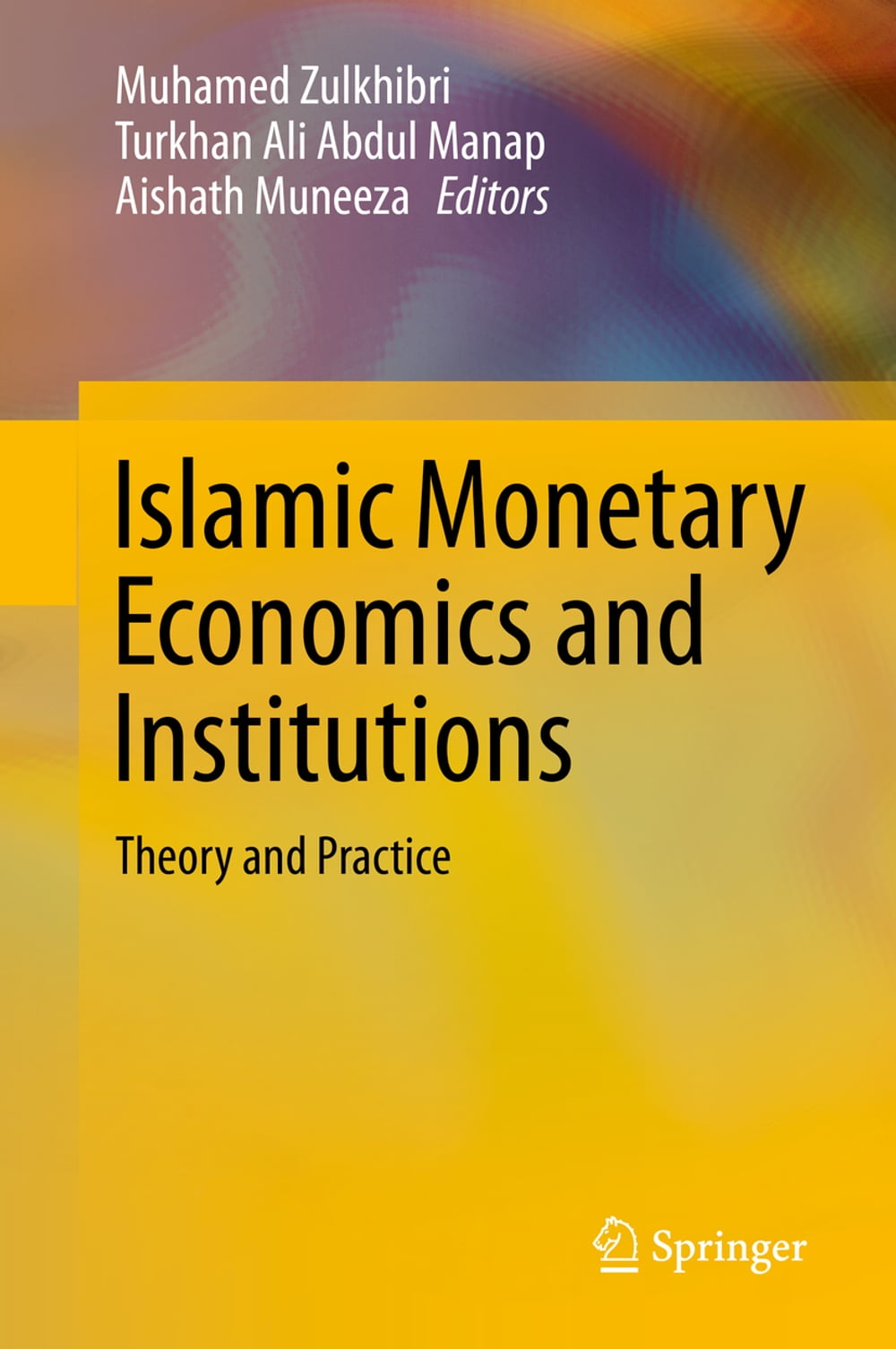


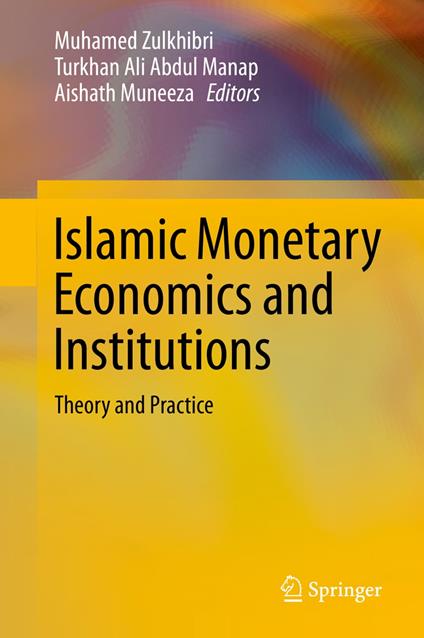
This edited volume explores theoretical and empirical issues related to monetary economics and policy in the Islamic financial system. Derived from the Conference on Islamic Monetary Economics and Institutions: Theory and Practice 2017 held in Malé, Maldives, the enclosed papers highlights several option for authorities and regulatory bodies regarding monetary policy and regulation, as well as discussing how Islamic monetary policy effects growth, financial stability and resilience to shocks in practice. The inter-linkage between Islamic monetary policy and other markets are also explored. The subject of Islamic economics has gained considerable attention in the last four decades with the emergence of Islamic financial institutions around the world. This phenomenon has motivated economists to develop a comprehensive theoretical framework of modern monetary economics for Islamic economic system. An important characteristic of the Islamic economic system is the abolition of interest from the financial system. Islamic monetary economics is distinguished from conventional monetary economics due to the absence of interest. Therefore, under the Islamic economic system, monetary policy has to depend on other tools. In the early theoretical literature on Islamic monetary economics, many have discussed the role of money in Islamic economics system, while the number of empirical studies on Islamic monetary economics is a relatively new phenomenon. According to Islamic scholars, there are three main goals of Islamic monetary policy: a) economic well-being with full employment and optimum rate of economic growth; b) socioeconomic justice and equitable distribution of income and wealth and c) stability in the value of money. Hence, the Islamic monetary policy has several socioeconomic and ethical implications. Featuring regional case studies, this book serves as a valuable resource for academics, scholars, practitioners and policy makers in the areas of Islamic economics and finance.
-
Curatore:
-
Anno edizione:2019
-
Editore:
-
Formato:
Lingua:
Inglese
Compatibilità:
Tutti i dispositivi (eccetto Kindle) Scopri di più
Layout:
Reflowable
EAN:
9783030240059

Formato:
Gli eBook venduti da Feltrinelli.it sono in formato ePub e possono essere protetti da Adobe DRM. In caso di download di un file protetto da DRM si otterrà un file in formato .acs, (Adobe Content Server Message), che dovrà essere aperto tramite Adobe Digital Editions e autorizzato tramite un account Adobe, prima di poter essere letto su pc o trasferito su dispositivi compatibili.
Cloud:
Gli eBook venduti da Feltrinelli.it sono sincronizzati automaticamente su tutti i client di lettura Kobo successivamente all’acquisto. Grazie al Cloud Kobo i progressi di lettura, le note, le evidenziazioni vengono salvati e sincronizzati automaticamente su tutti i dispositivi e le APP di lettura Kobo utilizzati per la lettura.
Clicca qui per sapere come scaricare gli ebook utilizzando un pc con sistema operativo Windows
