










EBOOK IN LINGUA STRANIERA





LGBT Victorians

53,97 €
+540
punti 
Venditore: Feltrinelli

Acquista online
Scaricabile subito
Articolo acquistabile con Carta del Docente

Articolo acquistabile con Carta Cultura Giovani e Carta del Merito

Articolo acquistabile con Carta della Cultura

Dati e Statistiche
 Salvato in 0 liste dei desideri
Salvato in 0 liste dei desideri
LGBT Victorians
Scaricabile subito
53,97 €
53,97 €
Scaricabile subito

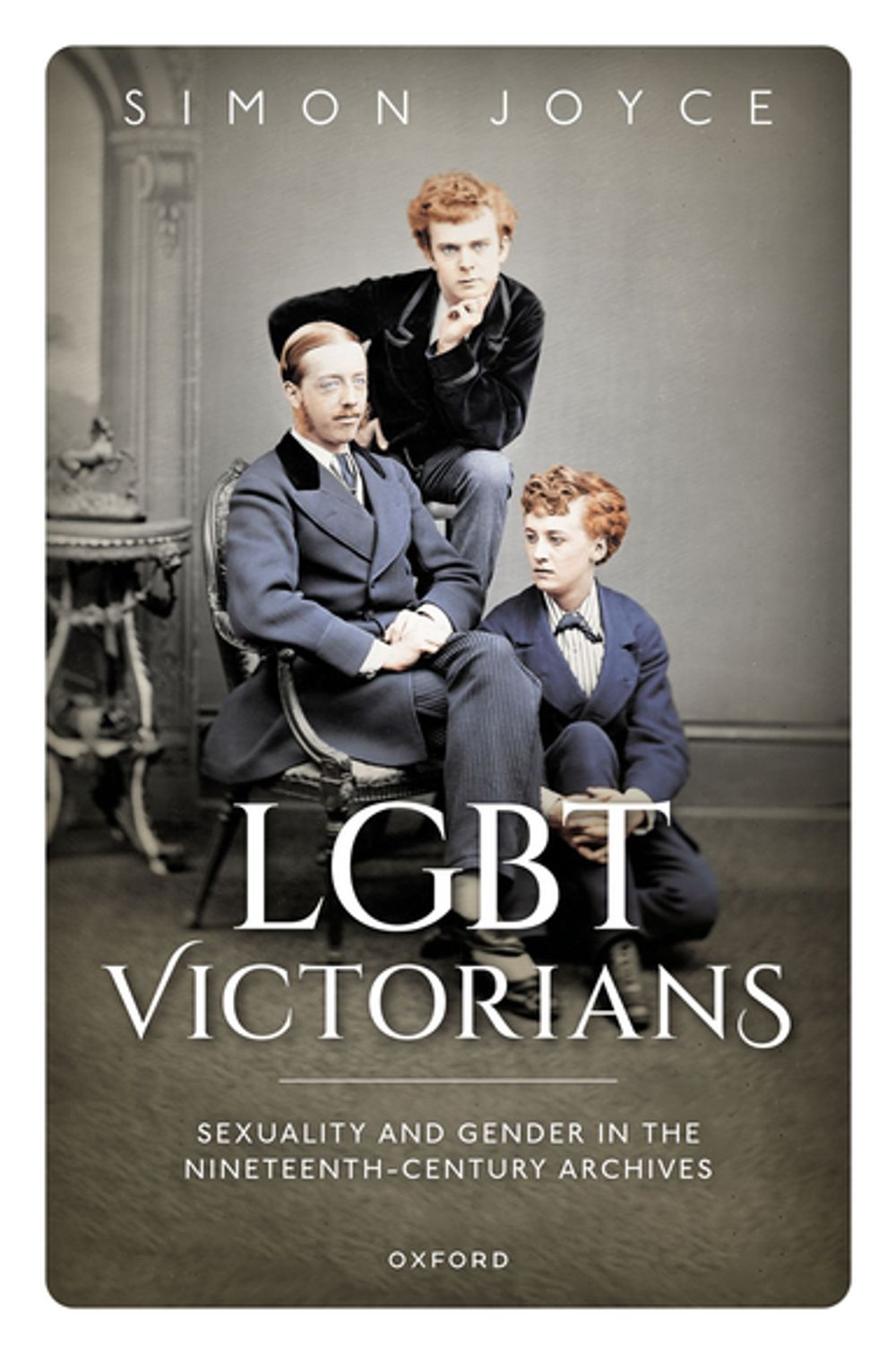


It has been decades since Michel Foucault urged us to rethink "the repressive hypothesis" and see new forms of sexual discourse as coming into being in the nineteenth century, yet the term "Victorian" still has largely negative connotations. LGBT Victorians argues for re-visiting the period's thinking about gender and sexual identity at a time when our queer alliances are fraying. We think of those whose primary self-definition is in terms of sexuality (lesbians, gay men, bisexuals) and those for whom it is gender identity (intersex and transgender people, genderqueers) as simultaneously in coalition and distinct from each other, on the assumption that gender and sexuality are independent aspects of self-identification. Re-examining how the Victorians considered such identity categories to have produced and shaped each other can ground a more durable basis for strengthening our present LGBTQ+ coalition. LGBT Victorians draws on scholarship reconsidering the significance of sexology and efforts to retrospectively discover transgender people in historical archives, particularly in the gap between what the nineteenth century termed the sodomite and the hermaphrodite. It highlights a broad range of individuals (including Anne Lister, and the defendants in the "Fanny and Stella" trial of the 1870s), key thinkers and activists (including Karl-Heinrich Ulrichs and Edward Carpenter), and writers such as Walt Whitman and John Addington Symonds to map the complicated landscape of gender and sexuality in the Victorian period. In the process, it decenters Oscar Wilde and his imprisonment from our historical understanding of sexual and gender nonconformity.
-
Autore:
-
Anno edizione:2022
-
Editore:
-
Formato:
-
Lingua:Inglese
Compatibilità:
Tutti i dispositivi (eccetto Kindle) Scopri di più
Layout:
Reflowable
EAN:
9780192674203

Formato:
Gli eBook venduti da Feltrinelli.it sono in formato ePub e possono essere protetti da Adobe DRM. In caso di download di un file protetto da DRM si otterrà un file in formato .acs, (Adobe Content Server Message), che dovrà essere aperto tramite Adobe Digital Editions e autorizzato tramite un account Adobe, prima di poter essere letto su pc o trasferito su dispositivi compatibili.
Cloud:
Gli eBook venduti da Feltrinelli.it sono sincronizzati automaticamente su tutti i client di lettura Kobo successivamente all’acquisto. Grazie al Cloud Kobo i progressi di lettura, le note, le evidenziazioni vengono salvati e sincronizzati automaticamente su tutti i dispositivi e le APP di lettura Kobo utilizzati per la lettura.
Clicca qui per sapere come scaricare gli ebook utilizzando un pc con sistema operativo Windows
