









EBOOK IN LINGUA STRANIERA





The Linguistics Wars

39,30 €
+390
punti 
Venditore: Feltrinelli

Acquista online
Scaricabile subito
Articolo acquistabile con Carta del Docente

Articolo acquistabile con Carta Cultura Giovani e Carta del Merito

Articolo acquistabile con Carta della Cultura

Dati e Statistiche
 Salvato in 0 liste dei desideri
Salvato in 0 liste dei desideri
The Linguistics Wars
Scaricabile subito
39,30 €
39,30 €
Scaricabile subito
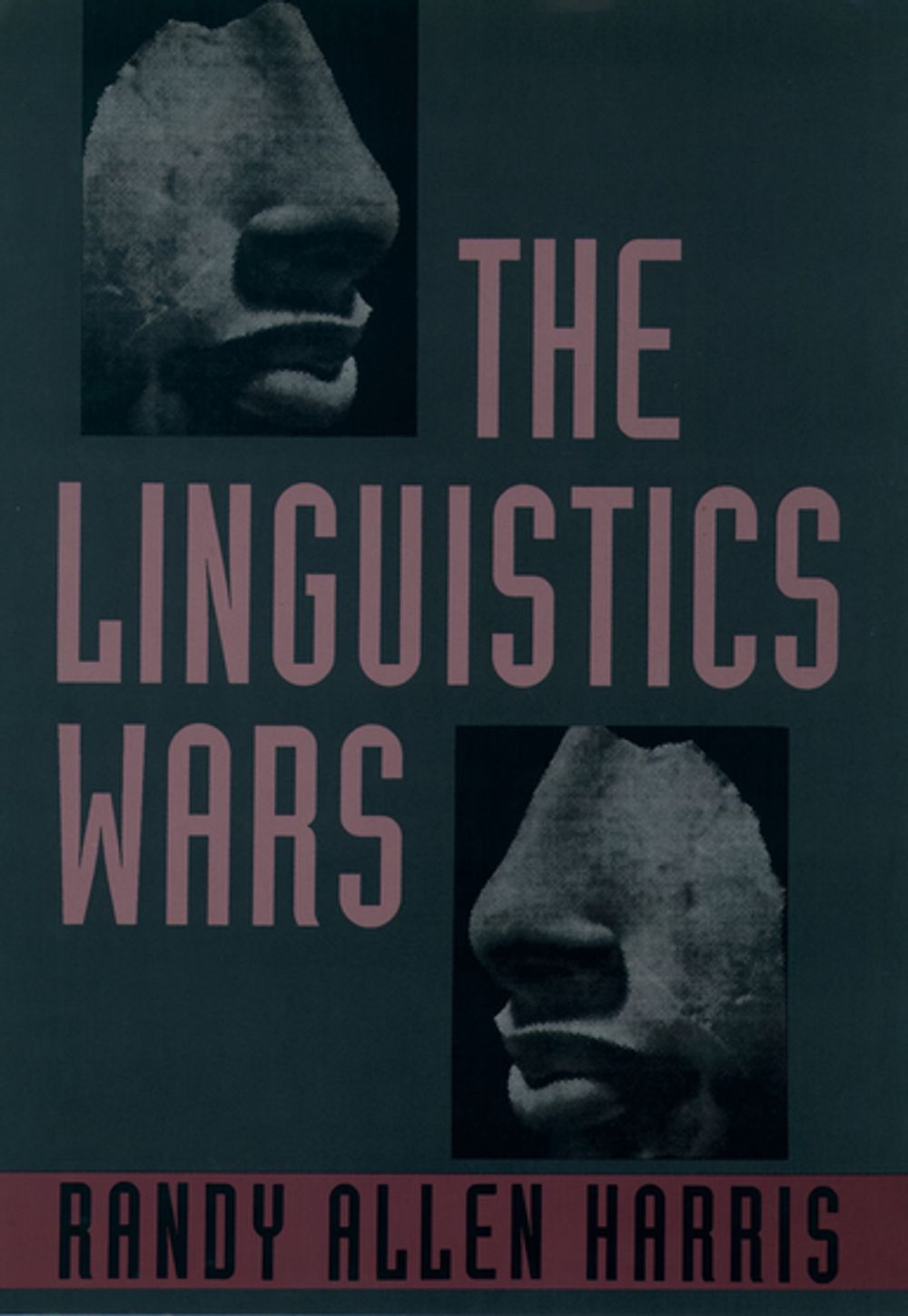


When it was first published in 1957, Noam Chomsky's Syntactic Structure seemed to be just a logical expansion of the reigning approach to linguistics. Soon, however, there was talk from Chomsky and his associates about plumbing mental structure; then there was a new phonology; and then there was a new set of goals for the field, cutting it off completely from its anthropological roots and hitching it to a new brand of psychology. Rapidly, all of Chomsky's ideas swept the field. While the entrenched linguists were not looking for a messiah, apparently many of their students were. There was a revolution, which colored the field of linguistics for the following decades. Chomsky's assault on Bloomfieldianism (also known as American Structuralism) and his development of Transformational-Generative Grammar was promptly endorsed by new linguistic recruits swelling the discipline in the sixties. Everyone was talking of a scientific revolution in linguistics, and major breakthroughs seemed imminent, but something unexpected happened--Chomsky and his followers had a vehement and public falling out. In The Linguistic Wars, Randy Allen Harris tells how Chomsky began reevaluating the field and rejecting the extensions his students and erstwhile followers were making. Those he rejected (the Generative Semanticists) reacted bitterly, while new students began to pursue Chomsky's updated vision of language. The result was several years of infighting against the backdrop of the notoriously prickly sixties. The outcome of the dispute, Harris shows, was not simply a matter of a good theory beating out a bad one. The debates followed the usual trajectory of most large-scale clashes, scientific or otherwise. Both positions changed dramatically in the course of the dispute--the triumphant Chomskyan position was very different from the initial one; the defeated generative semantics position was even more transformed. Interestingly, important features of generative semantics have since made their way into other linguistic approaches and continue to influence linguistics to this very day. And fairly high up on the list of borrowers is Noam Chomsky himself. The repercussions of the Linguistics Wars are still with us, not only in the bruised feelings and late-night war stories of the combatants, and in the contentious mood in many quarters, but in the way linguists currently look at language and the mind. Full of anecdotes and colorful portraits of key personalities, The Linguistics Wars is a riveting narrative of the course of an important intellectual controversy, and a revealing look into how scientists and scholars contend for theoretical glory.
-
Autore:
-
Anno edizione:2016
-
Editore:
-
Formato:
-
Lingua:Inglese
Compatibilità:
Tutti i dispositivi (eccetto Kindle) Scopri di più
Layout:
Reflowable
EAN:
9780199839063

Formato:
Gli eBook venduti da Feltrinelli.it sono in formato ePub e possono essere protetti da Adobe DRM. In caso di download di un file protetto da DRM si otterrà un file in formato .acs, (Adobe Content Server Message), che dovrà essere aperto tramite Adobe Digital Editions e autorizzato tramite un account Adobe, prima di poter essere letto su pc o trasferito su dispositivi compatibili.
Cloud:
Gli eBook venduti da Feltrinelli.it sono sincronizzati automaticamente su tutti i client di lettura Kobo successivamente all’acquisto. Grazie al Cloud Kobo i progressi di lettura, le note, le evidenziazioni vengono salvati e sincronizzati automaticamente su tutti i dispositivi e le APP di lettura Kobo utilizzati per la lettura.
Clicca qui per sapere come scaricare gli ebook utilizzando un pc con sistema operativo Windows
