









EBOOK IN LINGUA STRANIERA





Making a Living, Making a Difference

39,30 €
+390
punti 
Venditore: Feltrinelli

Acquista online
Scaricabile subito
Articolo acquistabile con Carta del Docente

Articolo acquistabile con Carta Cultura Giovani e Carta del Merito

Articolo acquistabile con Carta della Cultura

Dati e Statistiche
 Salvato in 0 liste dei desideri
Salvato in 0 liste dei desideri
Making a Living, Making a Difference
Scaricabile subito
39,30 €
39,30 €
Scaricabile subito
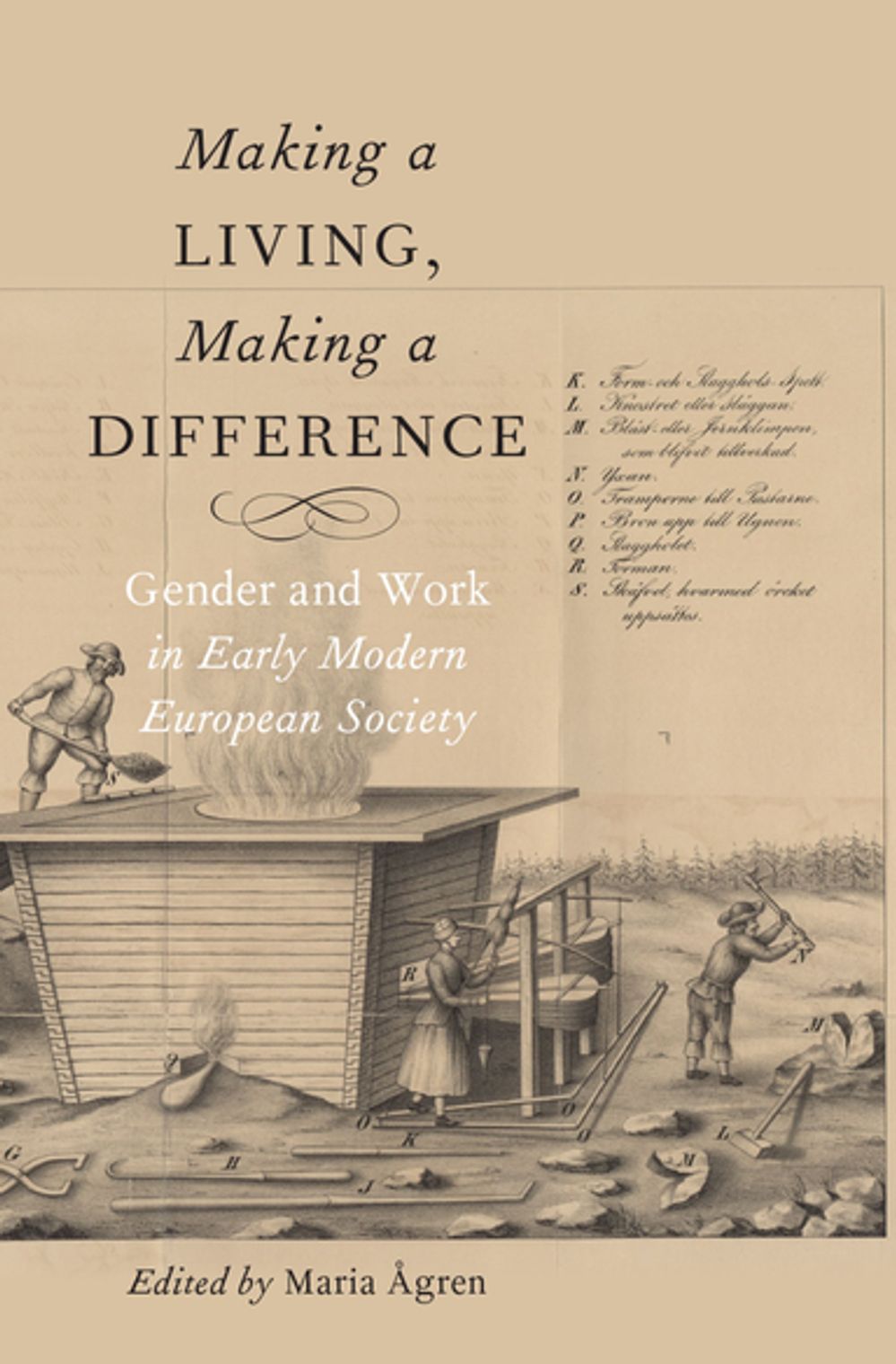


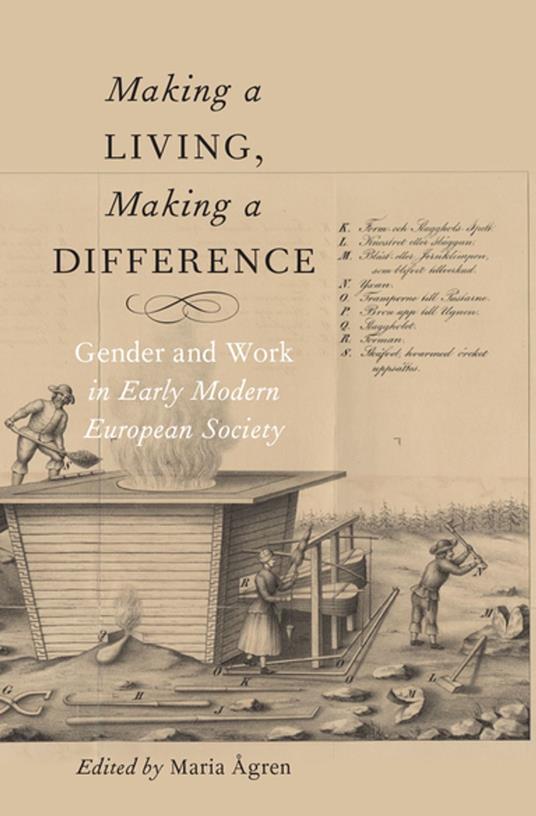
What do people do all day? What did women and men do to make a living in early modern Europe, and what did their work mean? As this book shows, the meanings depended both on the worker and on the context. With an innovative analytic method that is yoked to a specially-built database of source materials, this book revises many received opinions about the history of gender and work in Europe. The applied verb-oriented method finds the 'work verbs' that appear incidentally in a wide variety of early modern sources and then analyzes the context in which they appear. By tying information technologies and computer-assisted analysis to the analytic powers--both quantitative and qualitative--of professional historians, the method gets much closer to a participatory observation of the micro-patterns of early modern life than was once believed possible. This book directly addresses a number of broad problems often debated by historians of gender and early modern Europe. First, it discusses the problem of assessing more accurately the incidence, character and division of work. Second, it analyzes the configurations of work and human difference. Third, it deals with the extent to which work practices created notions of difference--gender difference but also other forms of difference--and, conversely, to what extent work practices contributed to notions of sameness and gender convergence. Finally, it studies the impact of processes of change. Drawing on sources from Sweden, the authors show the importance of multiple employment, the openness of early modern households, the significance of marriage and marital status, the gendered nature of specific tasks, and the ways in which state formation and commercialization were entangled in people's everyday lives.
-
Curatore:
-
Anno edizione:2016
-
Editore:
-
Formato:
Lingua:
Inglese
Compatibilità:
Tutti i dispositivi (eccetto Kindle) Scopri di più
Layout:
Reflowable
EAN:
9780190240646

Formato:
Gli eBook venduti da Feltrinelli.it sono in formato ePub e possono essere protetti da Adobe DRM. In caso di download di un file protetto da DRM si otterrà un file in formato .acs, (Adobe Content Server Message), che dovrà essere aperto tramite Adobe Digital Editions e autorizzato tramite un account Adobe, prima di poter essere letto su pc o trasferito su dispositivi compatibili.
Cloud:
Gli eBook venduti da Feltrinelli.it sono sincronizzati automaticamente su tutti i client di lettura Kobo successivamente all’acquisto. Grazie al Cloud Kobo i progressi di lettura, le note, le evidenziazioni vengono salvati e sincronizzati automaticamente su tutti i dispositivi e le APP di lettura Kobo utilizzati per la lettura.
Clicca qui per sapere come scaricare gli ebook utilizzando un pc con sistema operativo Windows
