










EBOOK IN LINGUA STRANIERA





A Male Hysteria

40,03 €
+400
punti 
Venditore: Feltrinelli

Acquista online
Scaricabile subito
Articolo acquistabile con Carta del Docente

Articolo acquistabile con Carta Cultura Giovani e Carta del Merito

Dati e Statistiche
 Salvato in 0 liste dei desideri
Salvato in 0 liste dei desideri
A Male Hysteria
Scaricabile subito
40,03 €
40,03 €
Scaricabile subito

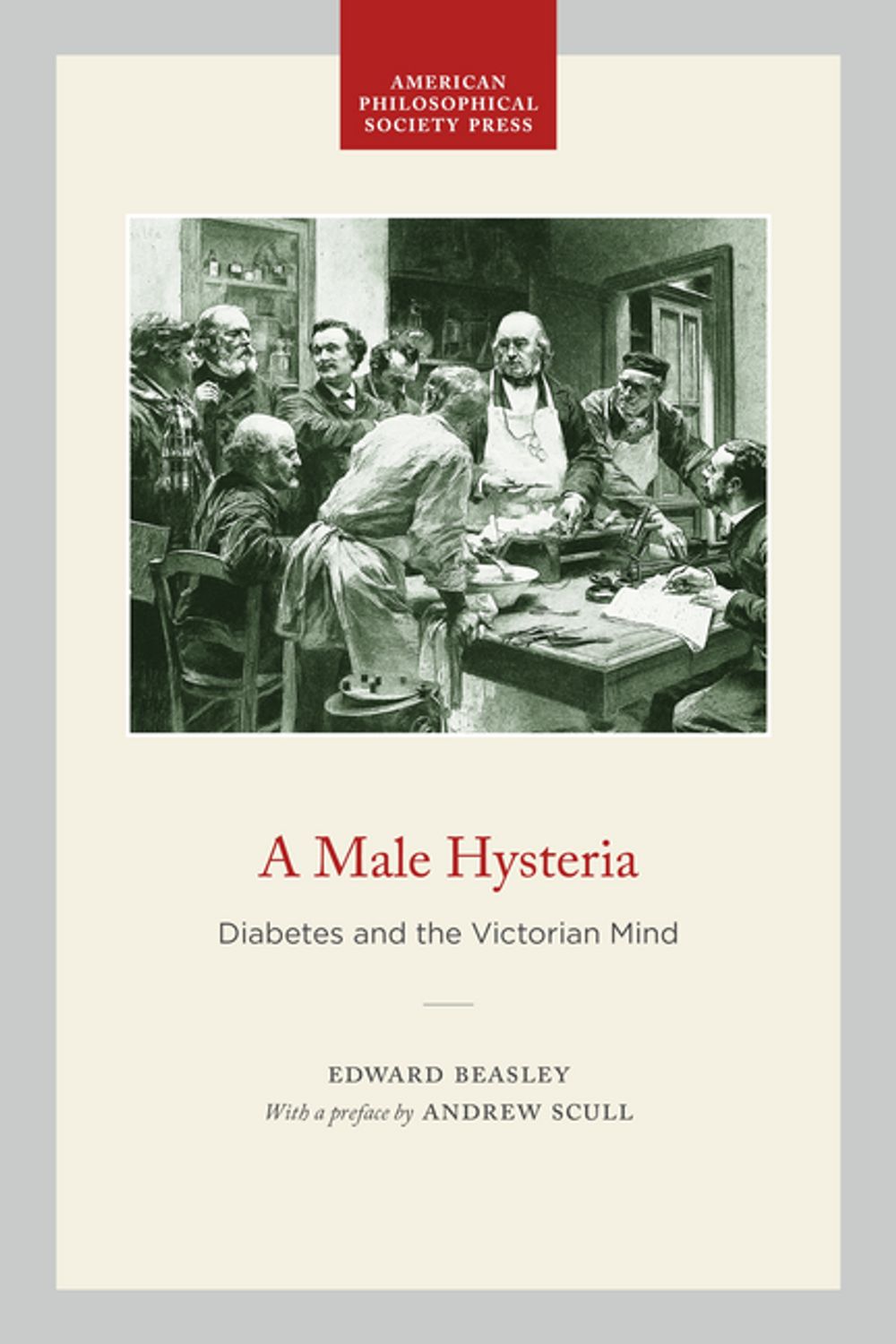




A history of diabetes science and the experience of diabetics in the nineteenth-century England A Male Hysteria examines both the science of diabetes in nineteenth-century England and the testimony of Victorian diabetics. What could be known about diabetes given the science of the day? And what did new models of diabetes mean for the treatment and self-image of diabetics? Ideas about diabetes were revolutionized in 1849 by the great French physiologist Claude Bernard. After he made rabbits diabetic by pricking their brains, diabetes in England came to be thought of as neurological, even psychological in origin. British diabetics (often men) were prevented from working or becoming excited, treated in the same manner as women who were diagnosed with hysteria. Meanwhile, discoveries in thermodynamics were applied to diabetics and menstruating women. People were assumed to be closed systems, wasting energy that couldn't be replenished. Thus, diabetics had to stay still if they wanted to live and women had to stay away from education to have the energy to produce children. Some people resisted these hysterical views. As no brain lesion was ever found in deceased diabetics, even after decades of searching, the animal model of the disease no longer seemed to apply to humans. Some diabetic patients also resisted the hysterical picture, including medical professionals—both men and women—who refused to slow down as the new treatment regimen was mandated. Likewise, physicians at spas noted that walking long distances seemed to help diabetics. A Male Hysteria journeys through nineteenth-century diabetes science and the lives of diabetics. It examines how science can go wrong when models from one area of inquiry are too excitedly applied to another. It also demonstrates the persistence of the psychological stereotype of diabetics as nervous and overworked in the United Kingdom—long after medical attention turned to the pancreas and the role of insulin.
-
Autore:
-
Anno edizione:2024
-
Editore:
-
Formato:
-
Lingua:Inglese
Compatibilità:
Tutti i dispositivi (eccetto Kindle) Scopri di più
Layout:
Reflowable
EAN:
9781606189023
Formato:
Gli eBook venduti da Feltrinelli.it sono in formato ePub e possono essere protetti da Adobe DRM. In caso di download di un file protetto da DRM si otterrà un file in formato .acs, (Adobe Content Server Message), che dovrà essere aperto tramite Adobe Digital Editions e autorizzato tramite un account Adobe, prima di poter essere letto su pc o trasferito su dispositivi compatibili.
Cloud:
Gli eBook venduti da Feltrinelli.it sono sincronizzati automaticamente su tutti i client di lettura Kobo successivamente all’acquisto. Grazie al Cloud Kobo i progressi di lettura, le note, le evidenziazioni vengono salvati e sincronizzati automaticamente su tutti i dispositivi e le APP di lettura Kobo utilizzati per la lettura.
Clicca qui per sapere come scaricare gli ebook utilizzando un pc con sistema operativo Windows
