









EBOOK IN LINGUA STRANIERA





Mapping Geospatial Citizenship

42,11 €
+420
punti 
Venditore: Feltrinelli

Acquista online
Scaricabile subito
Articolo acquistabile con Carta del Docente

Articolo acquistabile con Carta Cultura Giovani e Carta del Merito

Dati e Statistiche
 Salvato in 0 liste dei desideri
Salvato in 0 liste dei desideri
Mapping Geospatial Citizenship
Scaricabile subito
42,11 €
42,11 €
Scaricabile subito
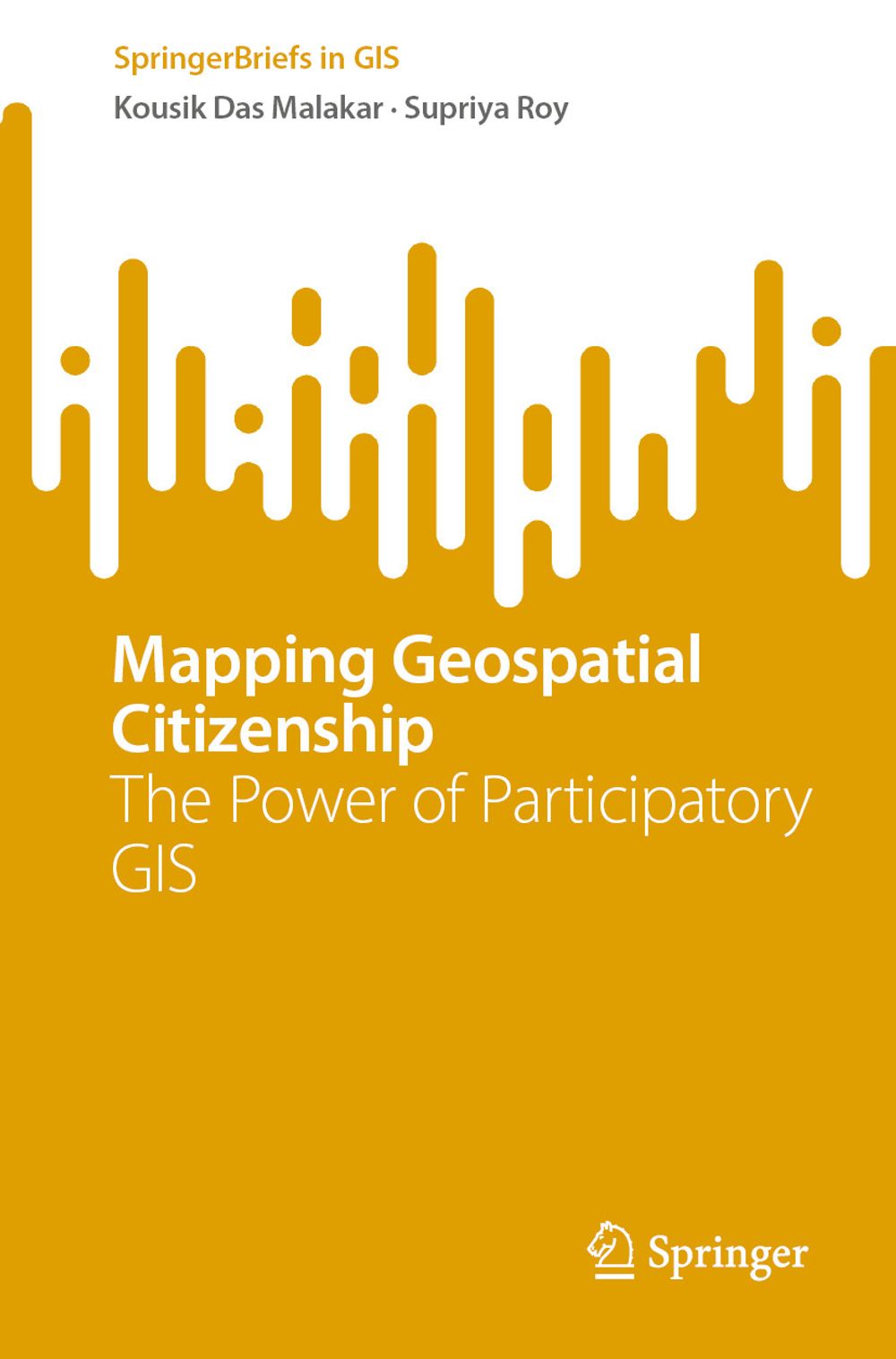



Participatory GIS (PGIS) is important in social science research because it provides a powerful tool for exploring and comprehending various socio-spatial phenomena. It makes it easier to investigate intricate spatial relationships, community dynamics, and the effects of policies and interventions on local populations. Researchers can also use it to map and analyze the spatial distribution of social concerns, resources, and assets within a community. This Brief delves into the transformative potential of Participatory GIS (PGIS) in empowering communities and amplifying their voices through geospatial technologies. This book provides an in-depth discussion of PGIS, including approaches, data collection techniques, participatory mapping, critical discussions, the concept and thinking of geospatial citizenship, applications of participatory GIS in terms of socio-ecological concern, geographies and socio-spatial ecologies of a societal space, community cartography, challenges, and future directions. The book also offers real-world case studies that leverage PGIS technology to map the voices of ordinary people. Case studies include mapping natural resource management, modelling mangrove forest ecologies, indigenous technical knowledge of fish catching, social vulnerability to climate change in the coastal community, and identification of traditional coastal fishing sites. The book emphasizes the necessity of community involvement in decision-making processes, as well as the awareness of their perspectives in formulating policies and programs, through the lens of PGIS. It highlights how geospatial technologies can be a strong tool for community empowerment, allowing individuals to actively shape their surroundings and build a sense of ownership over their shared spaces.
-
Autore:
-
Anno edizione:2024
-
Editore:
-
Formato:
-
Lingua:Inglese
Compatibilità:
Tutti i dispositivi (eccetto Kindle) Scopri di più
Layout:
Reflowable
EAN:
9783031631078
Formato:
Gli eBook venduti da Feltrinelli.it sono in formato ePub e possono essere protetti da Adobe DRM. In caso di download di un file protetto da DRM si otterrà un file in formato .acs, (Adobe Content Server Message), che dovrà essere aperto tramite Adobe Digital Editions e autorizzato tramite un account Adobe, prima di poter essere letto su pc o trasferito su dispositivi compatibili.
Cloud:
Gli eBook venduti da Feltrinelli.it sono sincronizzati automaticamente su tutti i client di lettura Kobo successivamente all’acquisto. Grazie al Cloud Kobo i progressi di lettura, le note, le evidenziazioni vengono salvati e sincronizzati automaticamente su tutti i dispositivi e le APP di lettura Kobo utilizzati per la lettura.
Clicca qui per sapere come scaricare gli ebook utilizzando un pc con sistema operativo Windows
