









EBOOK IN LINGUA STRANIERA





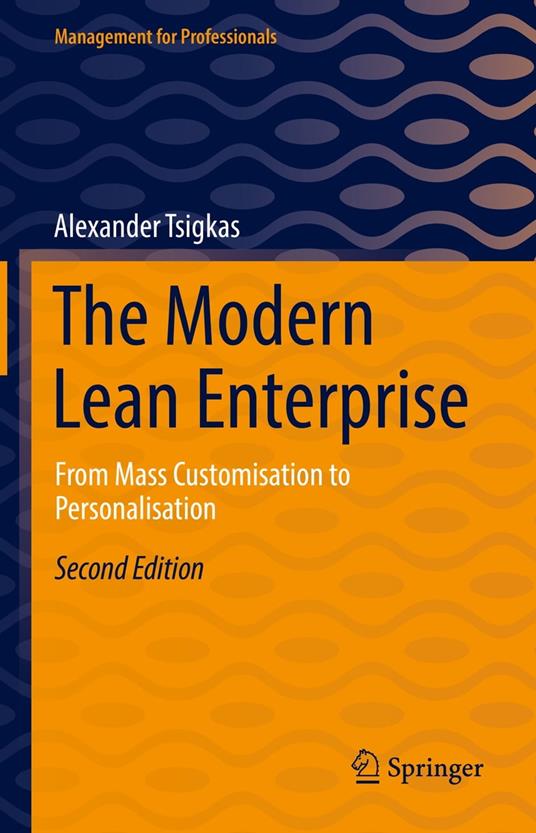
The Modern Lean Enterprise

53,34 €
+530
punti 
Venditore: Feltrinelli

Acquista online
Scaricabile subito
Articolo acquistabile con Carta del Docente

Articolo acquistabile con Carta Cultura Giovani e Carta del Merito

Articolo acquistabile con Carta della Cultura

Dati e Statistiche
 Salvato in 0 liste dei desideri
Salvato in 0 liste dei desideri
The Modern Lean Enterprise
Scaricabile subito
53,34 €
53,34 €
Scaricabile subito
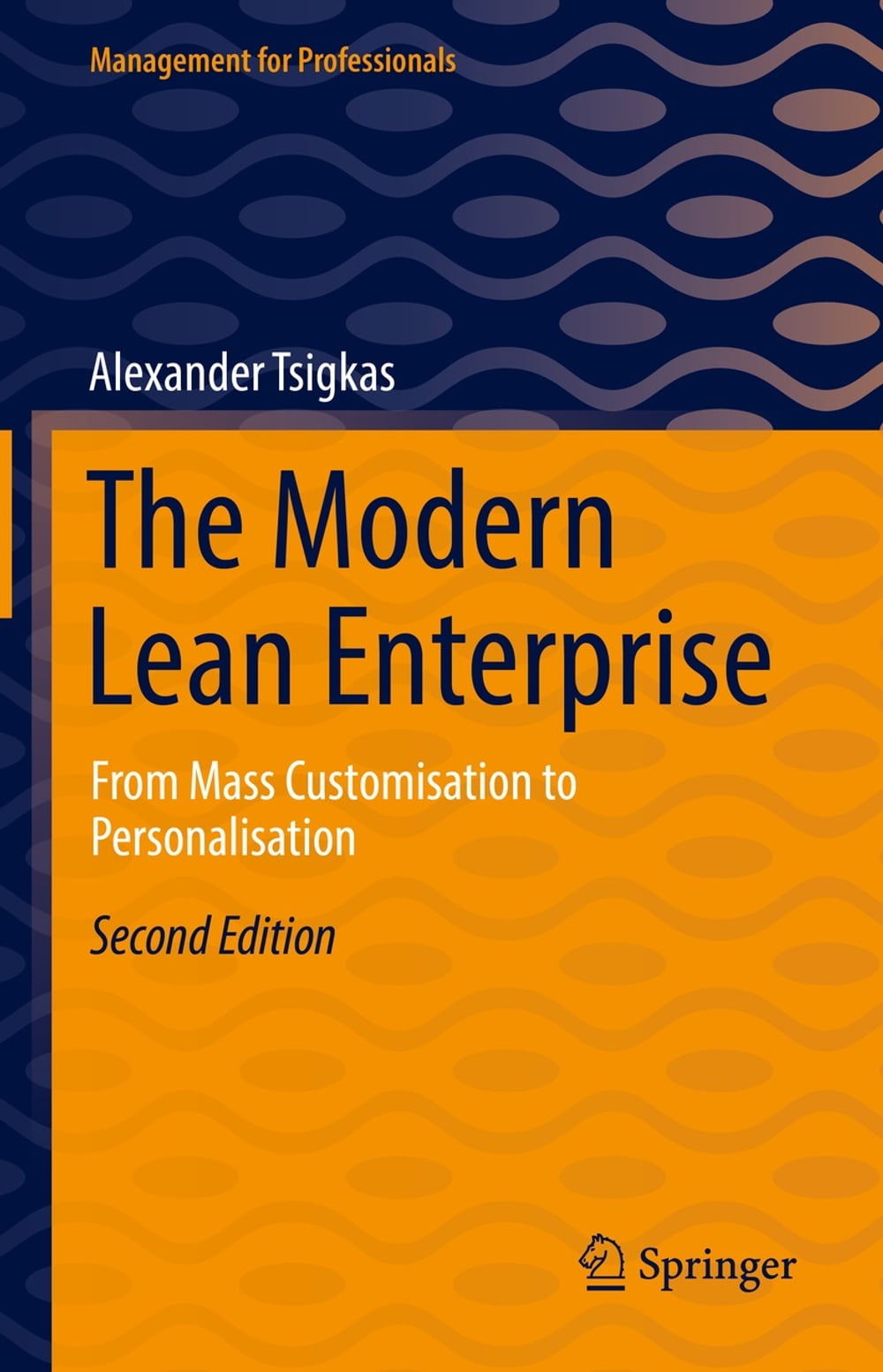


The book addresses a modern reorientation of Lean, abandoning the classical waste dogma that brings direct efficiency gains and substituting by a way to achieving indirect efficiency in a continuous and sustainable manner. Waste is the output of a process that cannot be of further use, while value is a matter of valuation, a process whose output we conceive to be of further use. Value and waste are not antithetical, they are just not comparable issues. We achieve added value to the modern Lean Enterprise through synergies that bring sustainable economic benefits to the company. Such synergies use the complementarity theory developed by Milgrom and Roberts in 1990 on the principle that we can achieve maximal gains via the joint investment on complement activities and not investing. Complementarity is not something specific to Lean Enterprises; however, Lean Enterprises can benefit the most from such a concept. The reason is that Lean uses the principle of achieving more with less effort. Less effort does not mean the use of fewer resources, but the use of resources in a complementary way in order to achieve more, rather than using them. Complementarity is a feature by design. Complementarity by design will help modern Lean companies have an easier transition in the digital era and the new world of Industry 4.0. In this second edition, we have preserved the method of how to achieve Lean and have enhanced it to show how to move towards modern Lean within Industry 4.0 paradigm. However, if a company has not yet made the Lean step, there is no need to make that step first before yielding the benefits. Technology is the key. Modern Lean Enterprise strengthens out of the old paradigm into the new one of Industry 4.0. Because of evolution, such an enterprise achieves optimal technological complementarity necessary for synergies that sustain increasing profits.
-
Autore:
-
Anno edizione:2022
-
Editore:
-
Formato:
-
Lingua:Inglese
Compatibilità:
Tutti i dispositivi (eccetto Kindle) Scopri di più
Layout:
Reflowable
EAN:
9783662644768

Formato:
Gli eBook venduti da Feltrinelli.it sono in formato ePub e possono essere protetti da Adobe DRM. In caso di download di un file protetto da DRM si otterrà un file in formato .acs, (Adobe Content Server Message), che dovrà essere aperto tramite Adobe Digital Editions e autorizzato tramite un account Adobe, prima di poter essere letto su pc o trasferito su dispositivi compatibili.
Cloud:
Gli eBook venduti da Feltrinelli.it sono sincronizzati automaticamente su tutti i client di lettura Kobo successivamente all’acquisto. Grazie al Cloud Kobo i progressi di lettura, le note, le evidenziazioni vengono salvati e sincronizzati automaticamente su tutti i dispositivi e le APP di lettura Kobo utilizzati per la lettura.
Clicca qui per sapere come scaricare gli ebook utilizzando un pc con sistema operativo Windows
