










AUDIOLIBRO IN LINGUA STRANIERA





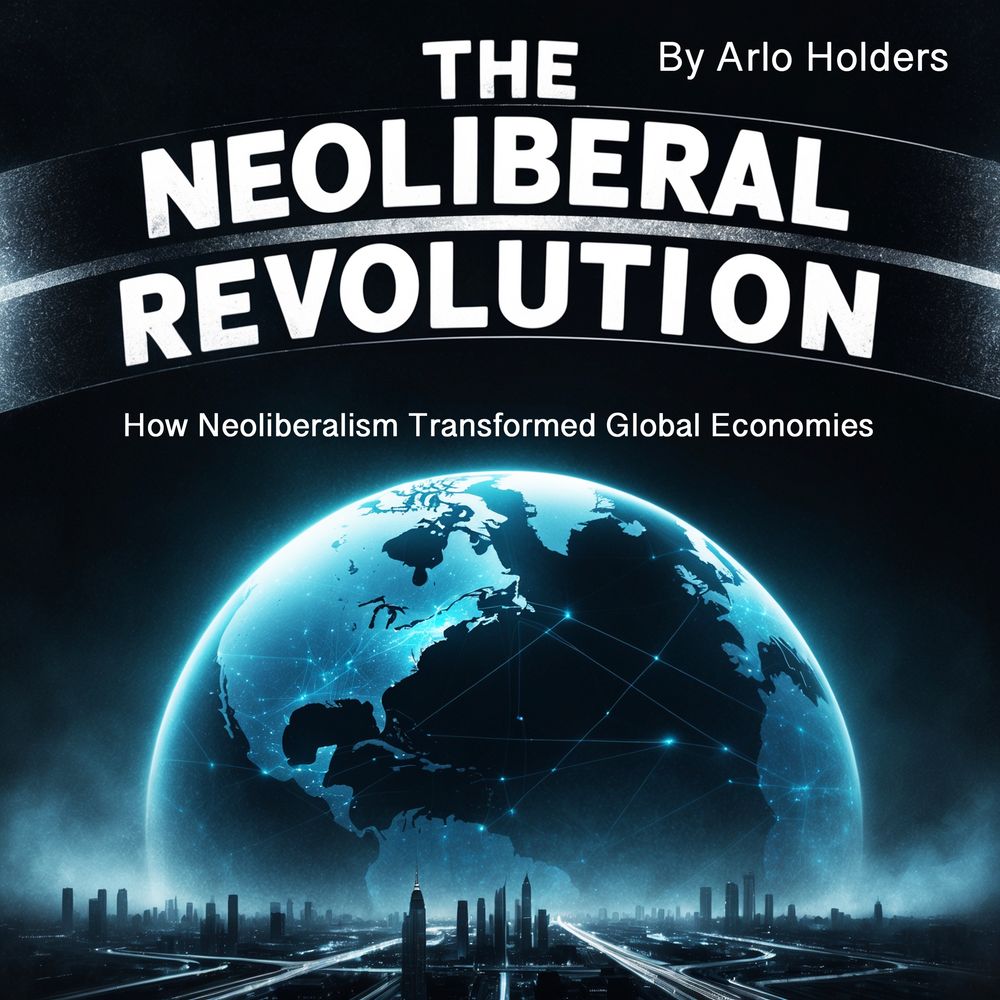
Neoliberal Revolution, The

3,56 €
+40
punti 
Venditore: Feltrinelli

Acquista online
Disponibile su APP ed eReader Kobo
Articolo acquistabile con Carta del Docente

Articolo acquistabile con Carta Cultura Giovani e Carta del Merito

Articolo acquistabile con Carta della Cultura

Abbonati a Kobo plus per avere accesso illimitato a questo contenuto

Dati e Statistiche
 Salvato in 0 liste dei desideri
Salvato in 0 liste dei desideri
Neoliberal Revolution, The
Disponibile su APP ed eReader Kobo
3,56 €
3,56 €
Disponibile su APP ed eReader Kobo


Neoliberalism is a term widely used to describe a set of economic policies and ideas that emphasize the importance of free markets, deregulation, privatization, and limited government intervention. Emerging in the mid-20th century, neoliberalism represented a distinct shift away from the welfare state and Keynesian economics, which had dominated Western economies in the post-World War II era. At its core, neoliberalism advocates for the belief that markets, if left to operate freely, will create wealth, drive economic growth, and improve human well-being. This chapter introduces the key tenets of neoliberal thought and traces its rise to prominence. The intellectual origins of neoliberalism can be traced back to economists and thinkers such as Friedrich Hayek, Milton Friedman, and Ludwig von Mises, who were critical of state intervention in the economy. They argued that government efforts to regulate markets, redistribute wealth, and promote social welfare were inefficient and counterproductive. Instead, they believed that economic freedom, unencumbered by regulation or state control, would lead to more prosperous societies. These ideas gained traction in the 1970s when the world was facing economic stagnation, inflation, and high unemployment, a period often referred to as the “stagflation” crisis. As a response to these challenges, neoliberalism became the intellectual and policy framework that justified sweeping changes in global economic practices. It was championed by leaders such as British Prime Minister Margaret Thatcher and U.S. President Ronald Reagan, who implemented reforms based on neoliberal principles. These included reducing taxes, privatizing state-owned industries, cutting social welfare programs, and embracing global free trade. The goal was to increase individual freedom and market efficiency by minimizing the role of the state in economic affairs.
-
Autore:
-
Durata in (hh:mm:ss):02:05:24
-
Anno edizione:2025
-
Editore:
Lingua:
Inglese
EAN:
9798347941735

Formato:
Gli Audiolibri venduti dal nostro sito sono in formato MP3 e protetti da un DRM proprietario Kobo.
Compatibilità:
Gli Audiolibri venduti dal nostro sito possono essere ascoltati sul tuo smartphone o tablet tramite la APP gratuita Kobo Books scaricabile da iOS o Android. Gli Audiolibri non possono essere scaricati in locale o trasferiti su un client di ascolto diverso da quello fornito tramite Kobo. Non è possibile ascoltare gli audiolibri con la Kobo APP Desktop. Puoi ascoltare gli Audiolibri tramite determinati eReader Kobo, utilizzando cuffie o casse con Bluetooth. Visita la pagina degli eReader per avere maggiori dettagli.
Cloud:
Gli Audiolibri venduti singolarmente dal nostro sito sono immediatamente sincronizzati sul tuo account personale in automatico. Successivamente all'acquisto, sono subito disponibili all'ascolto tramite i client di lettura Kobo compatibili.
Clicca qui servissero ulteriori informazioni
