










EBOOK IN LINGUA STRANIERA





The New Passover

18,29 €
+180
punti 
Venditore: Feltrinelli

Acquista online
Scaricabile subito
Articolo acquistabile con Carta del Docente

Articolo acquistabile con Carta Cultura Giovani e Carta del Merito

Articolo acquistabile con Carta della Cultura

Abbonati a Kobo plus per avere accesso illimitato a questo contenuto

Dati e Statistiche
 Salvato in 0 liste dei desideri
Salvato in 0 liste dei desideri
The New Passover
Scaricabile subito
18,29 €
18,29 €
Scaricabile subito

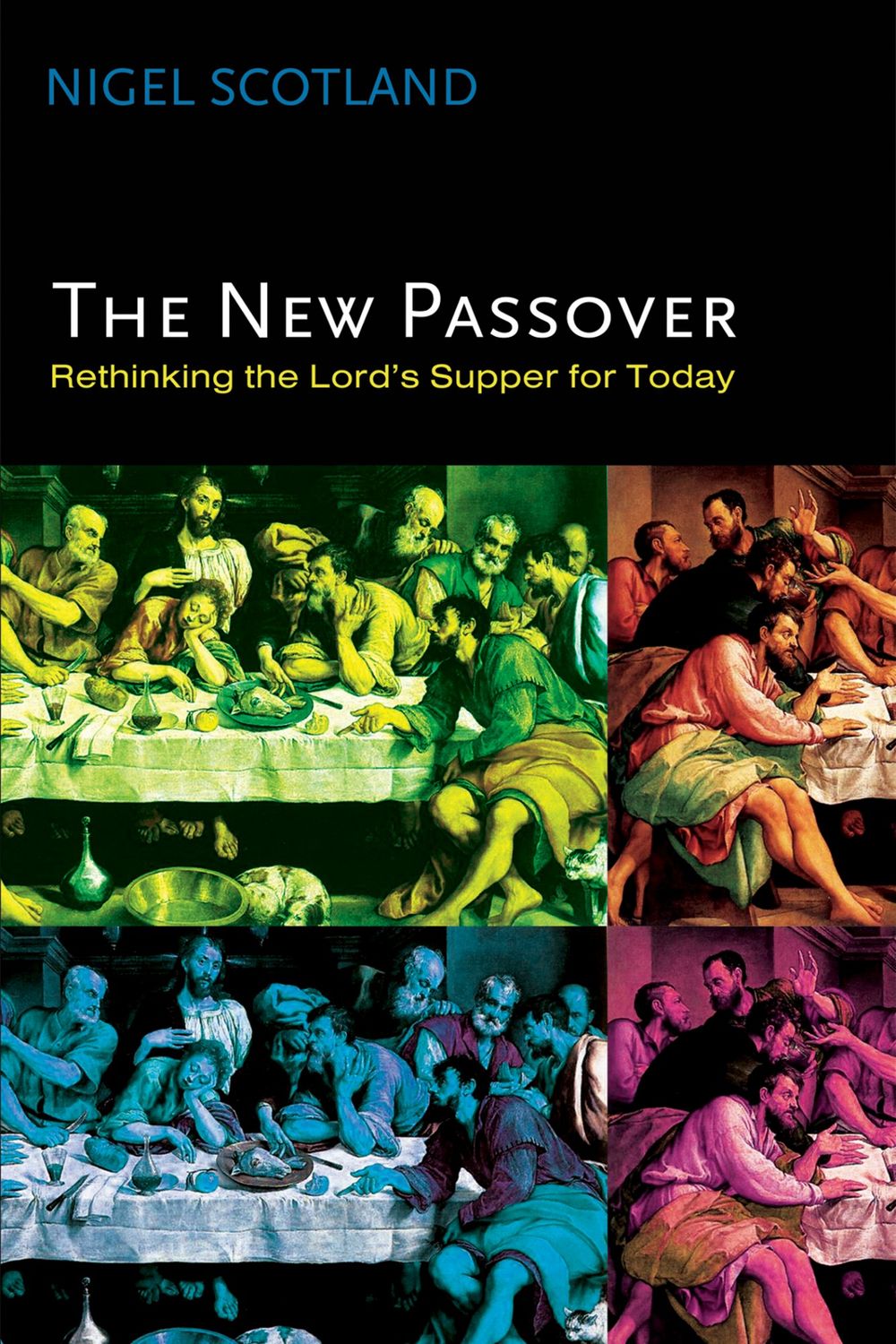



A recent journal article stated, "There is something missing in the way the churches do Communion." Why is it that this central act of Christian worship is often so dull, dreary, and formal? Indeed at times it can be as somber as a funeral with people silently queuing cafeteria style in lines to receive a morsel of bread or a rice paper emblem of bread and then joining the wine queue for a tiny sip of wine. Strangely the churches call the Eucharist a "supper," but there is no meal in the gathering. Indeed on occasions it can feel a bit like the Mad Hatter's tea party, which was supposed have mouth-watering festive things to eat but there was only bread! Where is the convivial joy and fellowship of a Passover celebration? Why is there no overwhelming joy like that of the two disciples who encountered the risen Jesus in the breaking of bread in their house in the village of Emmaus on that first Easter evening? This book, The New Passover: Rethinking the Lord's Supper for Today, traces the way the Christian churches changed the simple meal of the New Passover into an esoteric theological public ritual. Luther and the sixteenth-century Protestant Reformers abolished the Mass and restored the bread and wine to the people but they only half completed the task. They recognized that Jesus intended the Eucharist to be a Supper but there was nothing in their liturgies to satisfy physical hunger. This book argues that the Last Supper was a Passover meal and that churches today need to celebrate the Lord's Supper Passover style in the context of an evening meal with ordinary bread and wine, in small groups of believers only and in houses and homes. It is to be a joyous celebration meal providing spiritual strength, fellowship, thanksgiving, and remembrance.
-
Autore:
-
Anno edizione:2016
-
Editore:
-
Formato:
-
Lingua:Inglese
Compatibilità:
Tutti i dispositivi (eccetto Kindle) Scopri di più
Layout:
Reflowable
EAN:
9781498218146

Formato:
Gli eBook venduti da Feltrinelli.it sono in formato ePub e possono essere protetti da Adobe DRM. In caso di download di un file protetto da DRM si otterrà un file in formato .acs, (Adobe Content Server Message), che dovrà essere aperto tramite Adobe Digital Editions e autorizzato tramite un account Adobe, prima di poter essere letto su pc o trasferito su dispositivi compatibili.
Cloud:
Gli eBook venduti da Feltrinelli.it sono sincronizzati automaticamente su tutti i client di lettura Kobo successivamente all’acquisto. Grazie al Cloud Kobo i progressi di lettura, le note, le evidenziazioni vengono salvati e sincronizzati automaticamente su tutti i dispositivi e le APP di lettura Kobo utilizzati per la lettura.
Clicca qui per sapere come scaricare gli ebook utilizzando un pc con sistema operativo Windows
