










EBOOK IN LINGUA STRANIERA





No Morality, No Self

36,29 €
+360
punti 
Venditore: Feltrinelli

Acquista online
Scaricabile subito
Articolo acquistabile con Carta del Docente

Articolo acquistabile con Carta Cultura Giovani e Carta del Merito

Articolo acquistabile con Carta della Cultura

Dati e Statistiche
 Salvato in 0 liste dei desideri
Salvato in 0 liste dei desideri
No Morality, No Self
Scaricabile subito
36,29 €
36,29 €
Scaricabile subito

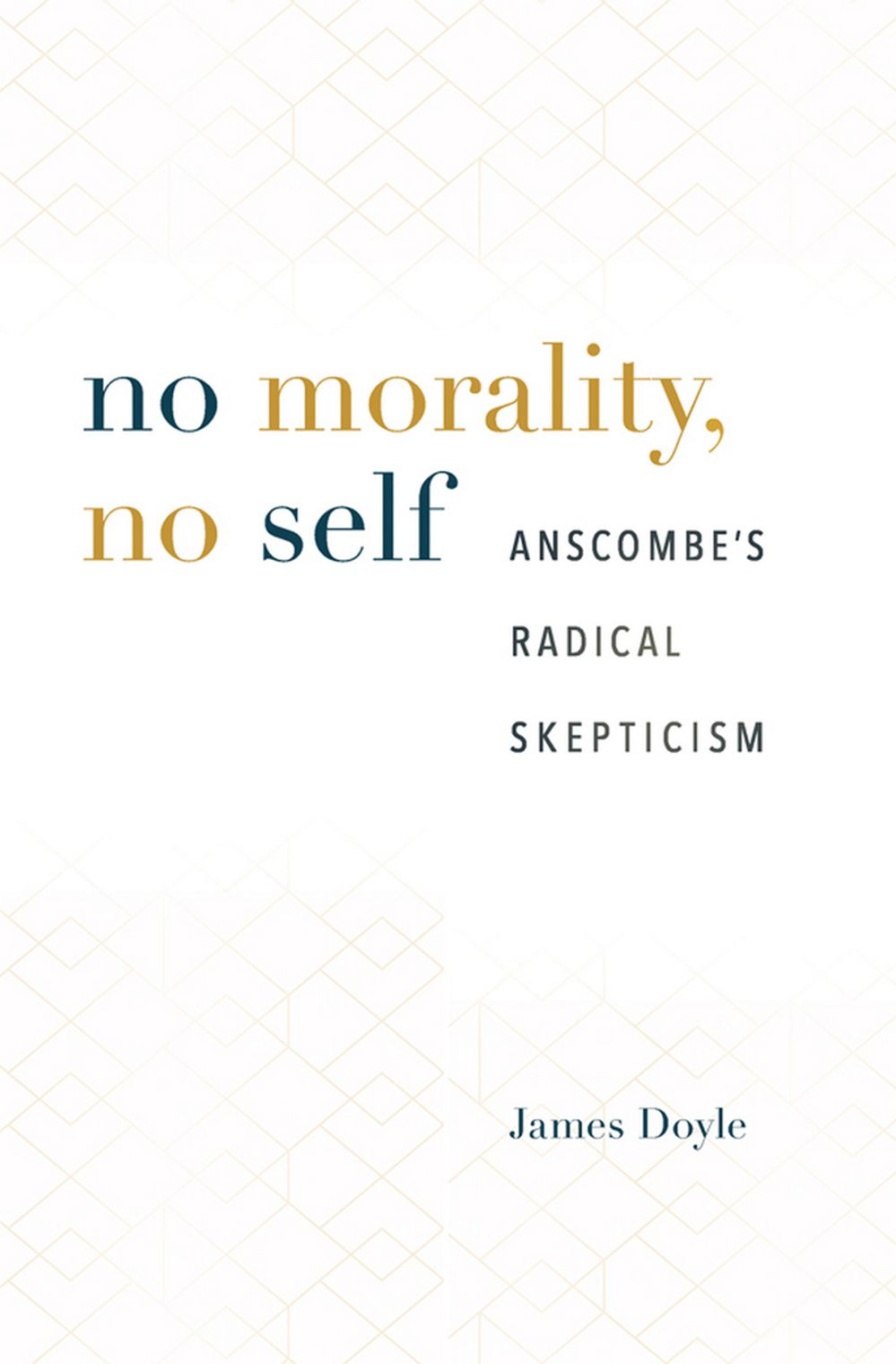



Frequently cited and just as often disputed, Elizabeth Anscombe’s “Modern Moral Philosophy” (1958) and “The First Person” (1975) are touchstones of twentieth-century analytic philosophy. Though the arguments Anscombe advances in these papers are familiar to philosophers, their significance remains widely misunderstood, says James Doyle. No Morality, No Self offers a fresh interpretation of Anscombe’s still-controversial theses about ethical reasoning and individual identity, specifically, her argument that the term “moral” (as it occurs in such contexts as “moral obligation”) is literally meaningless, and that “I” does not refer to some special entity called a “self”—a pair of claims that philosophers have responded to with deep skepticism. However unsettling Anscombe’s conclusions may be, Doyle shows the underlying seriousness of the British philosopher’s reasoning, exposing with clarity and concision how the counterarguments of Anscombe’s detractors are based on a flawed or incomplete understanding of her ideas. Doyle zeroes in on the central conundrum Anscombe posed to the referentialist school: namely, that it is impossible to give a noncircular explanation of how “I” refers to the person who utters it. He shows where the refutations of philosophers including Lucy O’Brien, Gareth Evans, and Ian Rumfitt fall short, and throws light on why “I” developed features that make it look as if it functions as a referring expression. Reconciling seemingly incompatible points of view, Doyle argues that “I” does refer to a self, but not in a way anyone suspected—a surprising conclusion that is entirely à propos of Anscombe’s provocative thought.
-
Autore:
-
Anno edizione:2018
-
Editore:
-
Formato:
-
Lingua:Inglese
Compatibilità:
Tutti i dispositivi (eccetto Kindle) Scopri di più
Layout:
Reflowable
EAN:
9780674982826

Formato:
Gli eBook venduti da Feltrinelli.it sono in formato ePub e possono essere protetti da Adobe DRM. In caso di download di un file protetto da DRM si otterrà un file in formato .acs, (Adobe Content Server Message), che dovrà essere aperto tramite Adobe Digital Editions e autorizzato tramite un account Adobe, prima di poter essere letto su pc o trasferito su dispositivi compatibili.
Cloud:
Gli eBook venduti da Feltrinelli.it sono sincronizzati automaticamente su tutti i client di lettura Kobo successivamente all’acquisto. Grazie al Cloud Kobo i progressi di lettura, le note, le evidenziazioni vengono salvati e sincronizzati automaticamente su tutti i dispositivi e le APP di lettura Kobo utilizzati per la lettura.
Clicca qui per sapere come scaricare gli ebook utilizzando un pc con sistema operativo Windows
