










AUDIOLIBRO IN LINGUA STRANIERA





On the Fourfold Root of the Principle of Sufficient Reason

11,95 €
+120
punti 
Venditore: Feltrinelli

Acquista online
Disponibile su APP ed eReader Kobo
Articolo acquistabile con Carta del Docente

Articolo acquistabile con Carta Cultura Giovani e Carta del Merito

Dati e Statistiche
 Salvato in 0 liste dei desideri
Salvato in 0 liste dei desideri
On the Fourfold Root of the Principle of Sufficient Reason
Disponibile su APP ed eReader Kobo
11,95 €
11,95 €
Disponibile su APP ed eReader Kobo

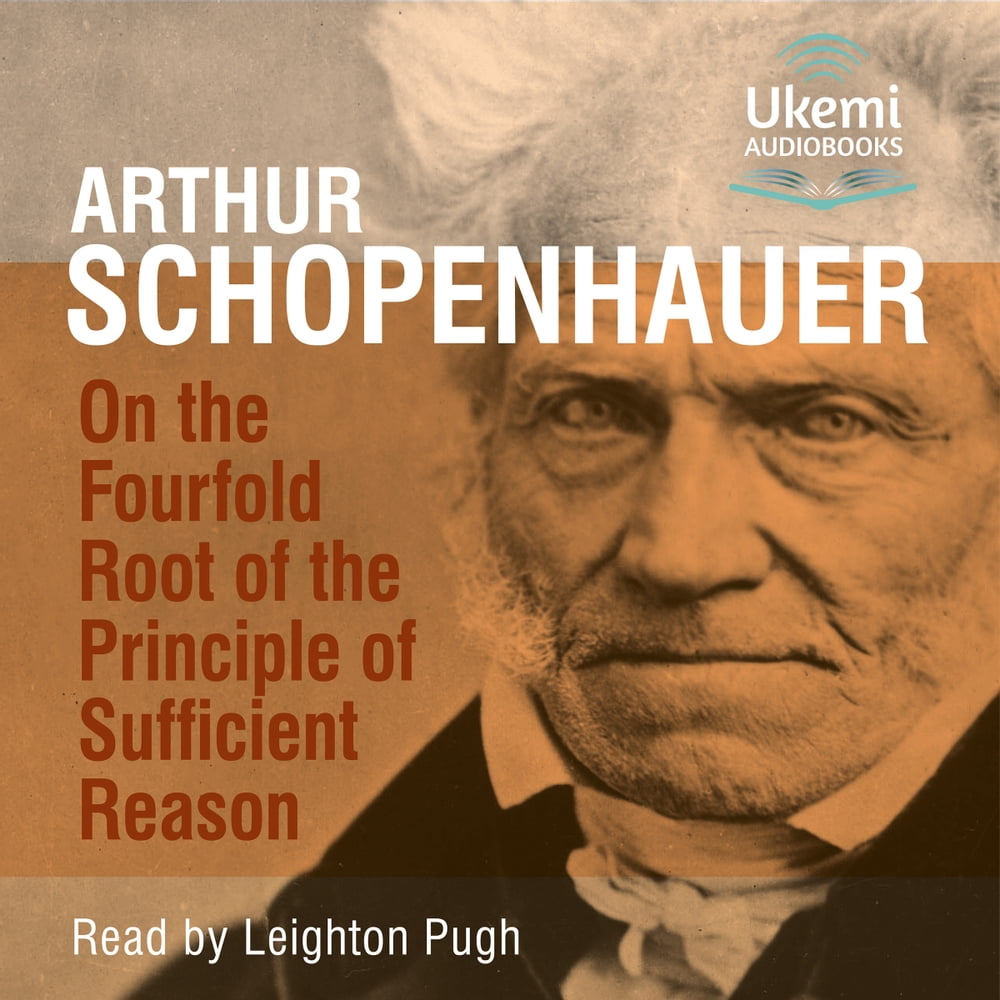



There is a cause, or a reason, behind everything that happens. This is the fundamental view behind the classical proposition the Principle of Sufficient Reason, which, in 1813, Schopenhauer chose as his subject for further examination in his doctoral dissertation On the Fourfold Root of the Principle of Sufficient Reason. He was 25. In later years Schopenhauer revised this dissertation and republished it in 1847. The original ideas expressed here formed the basis of much of his later works, and therefore it remains an important core text for Schopenhauer studies. He discusses commentaries on the principle by earlier philosophers including Descartes, Spinoza, Wolff and Kant before going on to propose his four ‘classes of objects’ which he feels offer greater clarity and depth of meaning. The four classes of objects are each governed by their own form of the Principle: the Principle of Sufficient Reason of Becoming, the Principle of Sufficient Reason of Knowing, the Principle of Sufficient Reason of Being and the Principle of Sufficient Reason of Willing. This recording of On the Fourfold Root of the Principle of Sufficient Reason uses the clear, classic translation by Madame Karl Hillebrand (1903). Leighton Pugh presents it with the same clarity and commitment he has brought to his recording of all three volumes of The World as Will and Idea (Ukemi Audiobooks).
-
Autore:
-
Durata in (hh:mm:ss):06:45:41
-
Anno edizione:2018
-
Editore:
Lingua:
Inglese
EAN:
9781004133550
Formato:
Gli Audiolibri venduti dal nostro sito sono in formato MP3 e protetti da un DRM proprietario Kobo.
Compatibilità:
Gli Audiolibri venduti dal nostro sito possono essere ascoltati sul tuo smartphone o tablet tramite la APP gratuita Kobo Books scaricabile da iOS o Android. Gli Audiolibri non possono essere scaricati in locale o trasferiti su un client di ascolto diverso da quello fornito tramite Kobo. Non è possibile ascoltare gli audiolibri con la Kobo APP Desktop. Puoi ascoltare gli Audiolibri tramite determinati eReader Kobo, utilizzando cuffie o casse con Bluetooth. Visita la pagina degli eReader per avere maggiori dettagli.
Cloud:
Gli Audiolibri venduti singolarmente dal nostro sito sono immediatamente sincronizzati sul tuo account personale in automatico. Successivamente all'acquisto, sono subito disponibili all'ascolto tramite i client di lettura Kobo compatibili.
Clicca qui servissero ulteriori informazioni
