










EBOOK IN LINGUA STRANIERA





Operation Fortitude

12,16 €
+120
punti 
Venditore: Feltrinelli

Acquista online
Scaricabile subito
Articolo acquistabile con Carta del Docente

Articolo acquistabile con Carta Cultura Giovani e Carta del Merito

Articolo acquistabile con Carta della Cultura

Dati e Statistiche
 Salvato in 0 liste dei desideri
Salvato in 0 liste dei desideri
Operation Fortitude
Scaricabile subito
12,16 €
12,16 €
Scaricabile subito

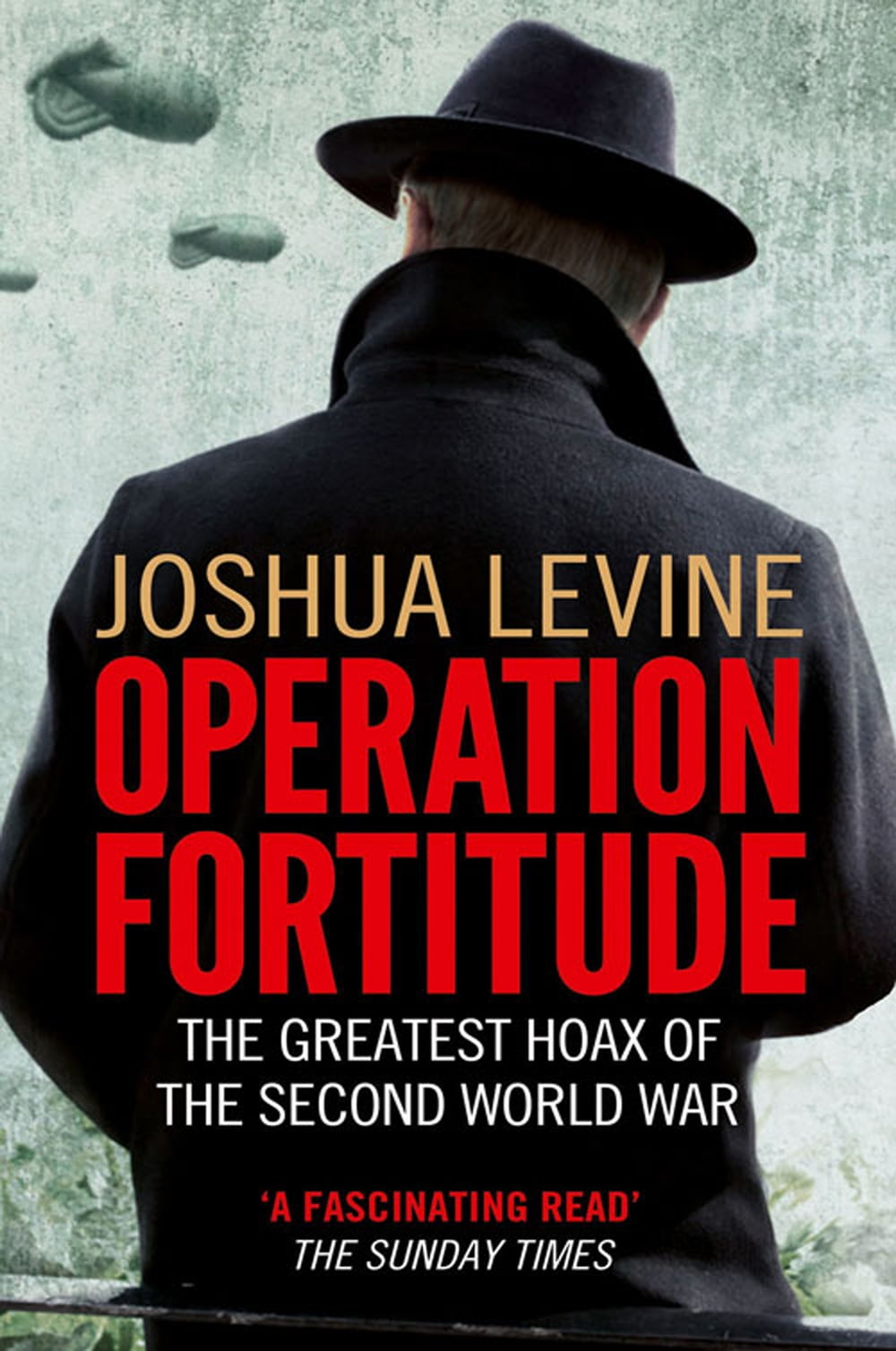


Operation Fortitude was the ingenious web of deception spun by the Allies to mislead the Nazis as to how and where the D-Day landings were to be mounted. 'One of the most creative intelligence operations of all time' – Kim Philby The story of how this web was woven is one of intrigue, personal drama, ground-breaking techniques, internal resistance, and good fortune. It is a tale of double agents, black radio broadcasts, phantom armies, 'Ultra' decrypts, and dummy parachute drops. These diverse tactics were intended to come together to create a single narrative so compelling that it would convince Adolf Hitler of its authenticity. Operation Fortitude was intended to create the false impression that the Normandy landings were merely a feint to disguise a massive forthcoming invasion by this American force in the Pas de Calais. In other words, the success of D-Day – the beginning of the end of the Second World War – was made possible by the efforts of men and women who were not present on the Normandy beaches. Men such as Juan Pujol, a Spanish double-agent (code-name GARBO) who sent hundreds of wireless messages from London to Madrid in the build-up to D-Day relaying supposed intelligence from his fictitious spy network. This allowed the enemy to conclude that the number of Allied divisions preparing to invade was twice the actual number. Men such as R.V Jones, the head of British Scientific Intelligence, who masterminded the dropping of tinfoil confetti from the bomb-bay doors of Lancaster bombers, creating a false impression that a flotilla of Allied ships was heading in the opposite direction to the genuine invasion fleet. Using first hand sources from a wide range of archives, government documents, letters and memos Operation Fortitude builds a picture of what wartime Britain was like, as well as the immense pressure these men and women were working under and insure D-Day succeeded.
-
Autore:
-
Anno edizione:2011
-
Editore:
-
Formato:
-
Lingua:Inglese
Compatibilità:
Tutti i dispositivi (eccetto Kindle) Scopri di più
Layout:
Reflowable
EAN:
9780007413249

Formato:
Gli eBook venduti da Feltrinelli.it sono in formato ePub e possono essere protetti da Adobe DRM. In caso di download di un file protetto da DRM si otterrà un file in formato .acs, (Adobe Content Server Message), che dovrà essere aperto tramite Adobe Digital Editions e autorizzato tramite un account Adobe, prima di poter essere letto su pc o trasferito su dispositivi compatibili.
Cloud:
Gli eBook venduti da Feltrinelli.it sono sincronizzati automaticamente su tutti i client di lettura Kobo successivamente all’acquisto. Grazie al Cloud Kobo i progressi di lettura, le note, le evidenziazioni vengono salvati e sincronizzati automaticamente su tutti i dispositivi e le APP di lettura Kobo utilizzati per la lettura.
Clicca qui per sapere come scaricare gli ebook utilizzando un pc con sistema operativo Windows
