









EBOOK IN LINGUA STRANIERA





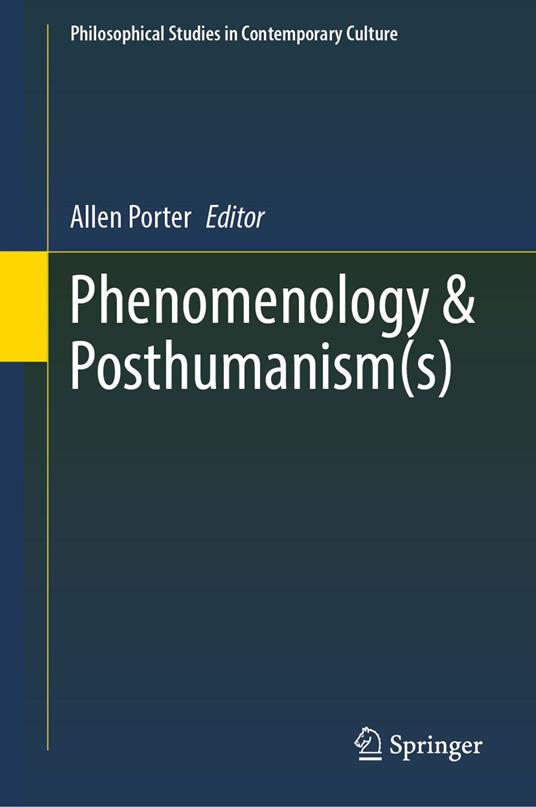
Phenomenology & Posthumanism(s)

121,67 €
+1220
punti 
Venditore: Feltrinelli

Acquista online
Scaricabile subito
Articolo acquistabile con Carta del Docente

Articolo acquistabile con Carta Cultura Giovani e Carta del Merito

Articolo acquistabile con Carta della Cultura

Dati e Statistiche
 Salvato in 0 liste dei desideri
Salvato in 0 liste dei desideri
Phenomenology & Posthumanism(s)
Scaricabile subito
121,67 €
121,67 €
Scaricabile subito
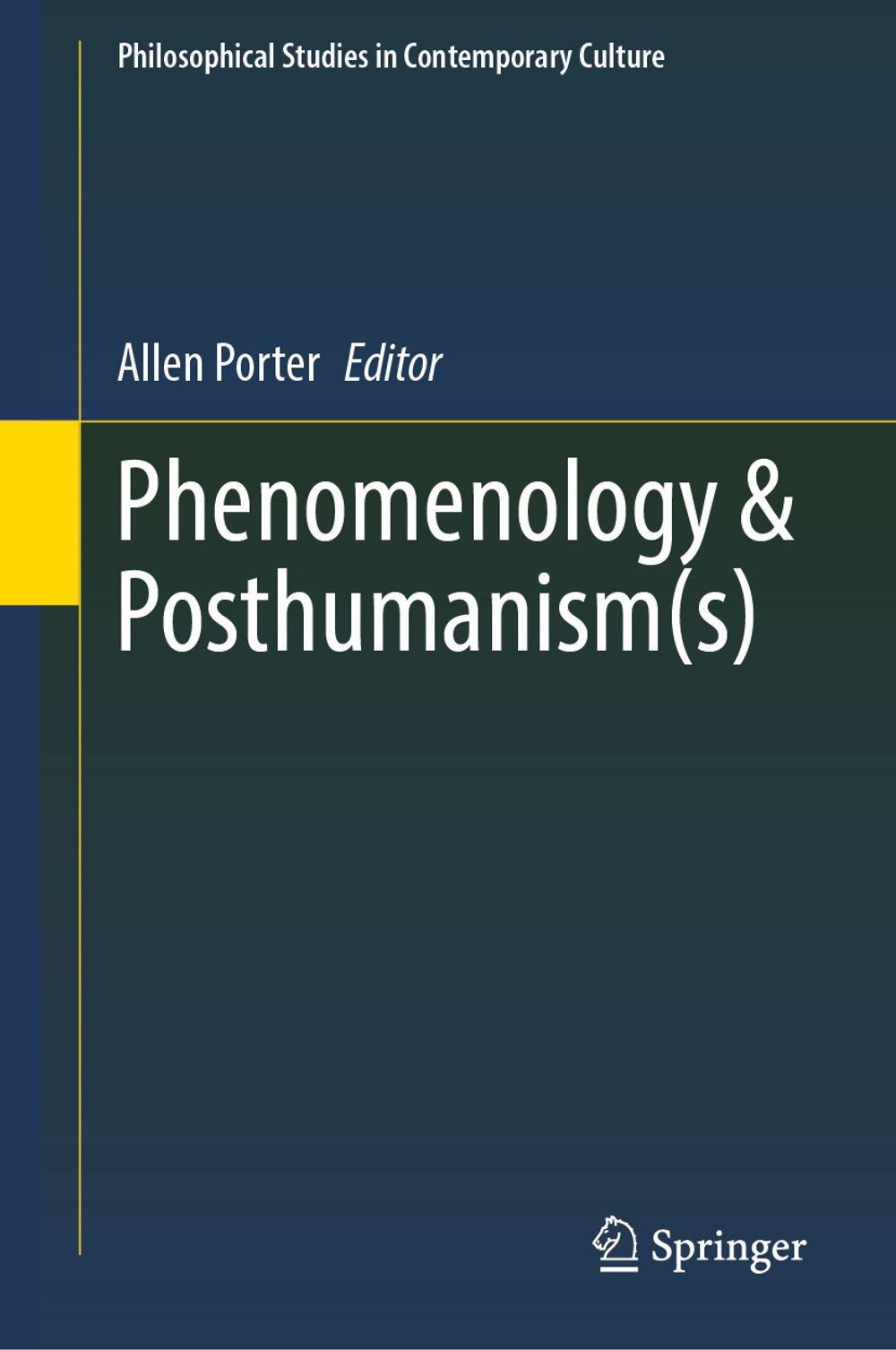


This book offers a timely intervention in the discourses around transhumanism, posthumanism, and phenomenology, aspiring to inaugurate a turning in Western thought in the direction of a more phenomenologically oriented consideration of what it means to be human and of what it might mean to be “posthuman.” It gathers important contributions from both established and new scholarly voices to each of the literatures on phenomenology, humanism, and posthumanism, as well as to the much scantier literature on phenomenology and posthumanism. The book treats “posthumanism(s)” primarily in terms of transhumanism and critical posthumanism but also includes consideration of alternative posthumanisms either extant or conceivable, including forms of “phenomenological posthumanism.” By “phenomenology” is primarily meant the tradition of transcendental methodology forged by Edmund Husserl and further developed by such figures as Martin Heidegger, Maurice Merleau-Ponty, and Emmanuel Levinas, among others. In relation to each of the movements of phenomenology, humanism(s), and posthumanism(s), the chapters in this volume propose new understandings of long-discussed topics, offer alternatives to standard accounts, introduce and explicate neglected figures and movements, provide case studies of exemplary issues, and more. The book is divided into four main parts: “Part I: Humanism(s),” “Part II: Posthumanism(s),” “Part III: Transhumanism,” and “Part IV: Humans, Nonhumans, and Posthumans.”
-
Curatore:
-
Anno edizione:2026
-
Editore:
-
Formato:
Lingua:
Inglese
Compatibilità:
Tutti i dispositivi (eccetto Kindle) Scopri di più
Layout:
Reflowable
EAN:
9783032085665

Formato:
Gli eBook venduti da Feltrinelli.it sono in formato ePub e possono essere protetti da Adobe DRM. In caso di download di un file protetto da DRM si otterrà un file in formato .acs, (Adobe Content Server Message), che dovrà essere aperto tramite Adobe Digital Editions e autorizzato tramite un account Adobe, prima di poter essere letto su pc o trasferito su dispositivi compatibili.
Cloud:
Gli eBook venduti da Feltrinelli.it sono sincronizzati automaticamente su tutti i client di lettura Kobo successivamente all’acquisto. Grazie al Cloud Kobo i progressi di lettura, le note, le evidenziazioni vengono salvati e sincronizzati automaticamente su tutti i dispositivi e le APP di lettura Kobo utilizzati per la lettura.
Clicca qui per sapere come scaricare gli ebook utilizzando un pc con sistema operativo Windows
