









EBOOK IN LINGUA STRANIERA





Postsensual Aesthetics

15,49 €
+150
punti 
Venditore: Feltrinelli

Acquista online
Scaricabile subito
Articolo acquistabile con Carta del Docente

Articolo acquistabile con Carta Cultura Giovani e Carta del Merito

Articolo acquistabile con Carta della Cultura

Dati e Statistiche
 Salvato in 0 liste dei desideri
Salvato in 0 liste dei desideri
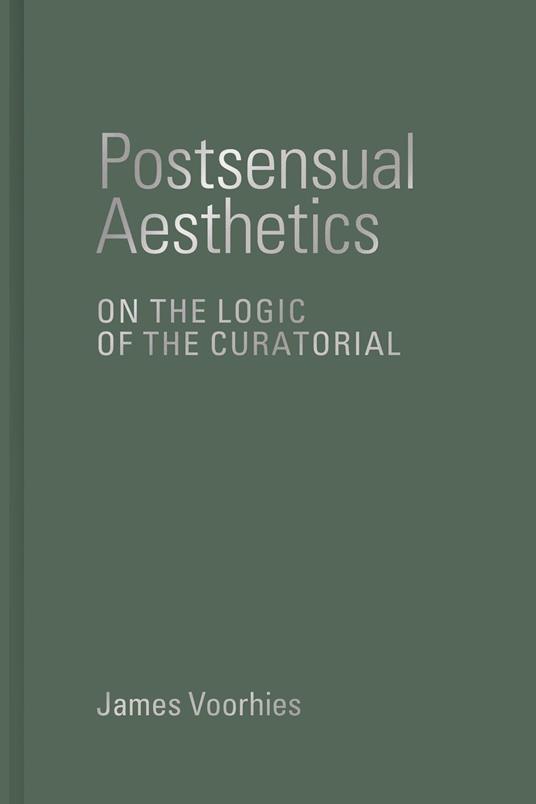
Postsensual Aesthetics
Scaricabile subito
15,49 €
15,49 €
Scaricabile subito
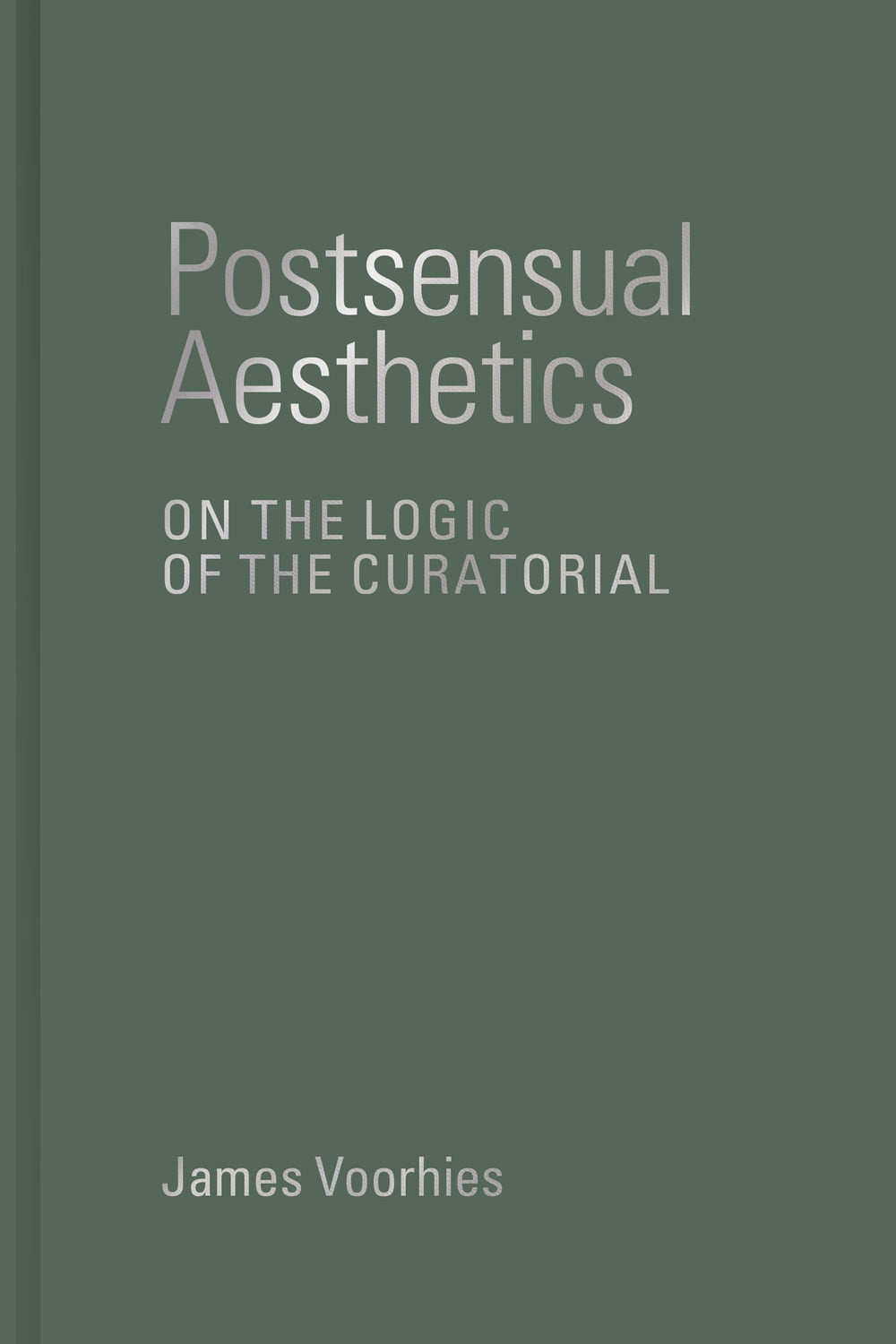


Contemporary art exhibitions appeal to cognition as well as the senses, modeling a new and expansive understanding of global aesthetics. In this original work of aesthetic theory, James Voorhies argues that we live in the shadow of old ways of thinking about art that emphasize the immediate visual experience of an autonomous art object. But theory must change as artistic and curatorial production has changed. It should encompass the full range of activities through which we encounter art and exhibitions, in which reading and thinking are central to the aesthetic experience. Voorhies advances the theoretical framework of a “postsensual aesthetics,” which does not mean we are beyond a sensual engagement with objects, but rather embraces the cognitive connections with ideas that unite art and knowledge production. Cognitive engagements with art often begin with publications conceived as integral to exhibitions, conveying the knowledge and research artists and curators produce, and continuing in time and space beyond traditional curatorial frames. The idea, and not just visual immediacy, is now art’s defining moment. Voorhies reframes aesthetic criteria to account for the liminal, cognitive spaces inside and outside of the exhibition. Surveying a wide range of artists, curators, exhibitions, and related publications, he repositions the aesthetic theory of Theodor Adorno, and draws inspiration from Rosalind Krauss and Fredric Jameson, to describe a contemporary “logic of the curatorial.” He demonstrates how, even as we increasingly expect to learn from contemporary art, we must avoid an instrumentalist and reductive view of art as a mere source of information. As Voorhies shows through an analysis of two major global exhibitions, dOCUMENTA (13) (artistic director Carolyn Christov-Bakargiev) and Documenta11 (artistic director Okwui Enwezor), and of Ute Meta Bauer’s curatorial work at the Centre for Contemporary Art Singapore, it is imperative for artistic research to retain its unique role in the production of knowledge.
-
Autore:
-
Anno edizione:2023
-
Editore:
-
Formato:
-
Lingua:Inglese
Compatibilità:
Tutti i dispositivi (eccetto Kindle) Scopri di più
Layout:
Reflowable
EAN:
9780262372848

Formato:
Gli eBook venduti da Feltrinelli.it sono in formato ePub e possono essere protetti da Adobe DRM. In caso di download di un file protetto da DRM si otterrà un file in formato .acs, (Adobe Content Server Message), che dovrà essere aperto tramite Adobe Digital Editions e autorizzato tramite un account Adobe, prima di poter essere letto su pc o trasferito su dispositivi compatibili.
Cloud:
Gli eBook venduti da Feltrinelli.it sono sincronizzati automaticamente su tutti i client di lettura Kobo successivamente all’acquisto. Grazie al Cloud Kobo i progressi di lettura, le note, le evidenziazioni vengono salvati e sincronizzati automaticamente su tutti i dispositivi e le APP di lettura Kobo utilizzati per la lettura.
Clicca qui per sapere come scaricare gli ebook utilizzando un pc con sistema operativo Windows
