










EBOOK IN LINGUA STRANIERA





Psalms 51-150

69,20 €
+690
punti 
Venditore: Feltrinelli

Acquista online
Scaricabile subito
Articolo acquistabile con Carta del Docente

Articolo acquistabile con Carta Cultura Giovani e Carta del Merito

Articolo acquistabile con Carta della Cultura

Abbonati a Kobo plus per avere accesso illimitato a questo contenuto

Dati e Statistiche
 Salvato in 0 liste dei desideri
Salvato in 0 liste dei desideri
Psalms 51-150
Scaricabile subito
69,20 €
69,20 €
Scaricabile subito

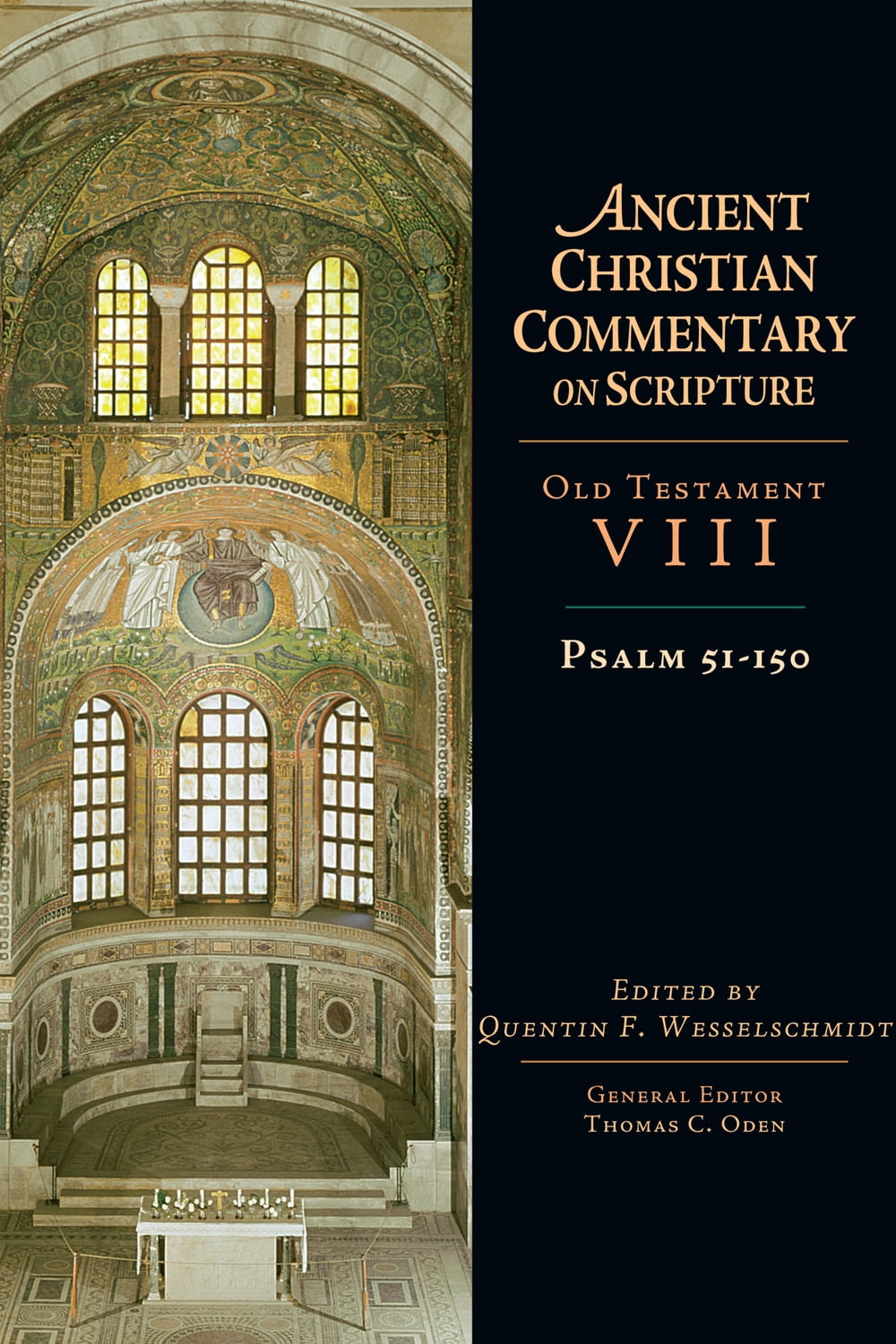



The Psalms have long served a vital role in the individual and corporate lives of Christians, expressing the full range of human emotions, including some that we are ashamed to admit. The Psalms reverberate with joy, groan in pain, whimper with sadness, grumble in disappointment, and rage with anger. The church fathers employed the Psalms widely. In liturgy they used them both as hymns and as Scripture readings. Within them they found pointers to Jesus both as Son of God and as Messiah. They also employed the Psalms widely as support for other New Testament teachings, as counsel on morals, and as forms for prayer. Especially noteworthy was their use of Psalms in the great doctrinal controversies. The Psalms were used to oppose subordinationism, modalism, Arianism, Apollinarianism, Nestorianism, Eutychianism, and Monophysitism, among others. More than fifty church fathers are cited in the Ancient Christian Commentary on Scripture volume from Ambroseto Zephyrinus. From the British Isles, Gaul, and the Iberian Peninsula, we find Hilary of Poitiers, Prudentius, John Cassian, Valerian of Cimiez, Salvian the Presbyter, Caesarius of Arles, Martin of Bruga, Braulio of Saragossa, and Bede. From Rome and Italy, we find Clement, Justin Martyr, Callistus, Hippolytus, Novatian, Rufinus, Maximus of Turin, Peter Chrysologus, Leo the Great, Cassiodorus, and Gregory the Great. Carthage and North Africa are represented by Tertullian, Cyprian, Augustine, and Fulgentius. Fathers from Alexandria and Egypt include Clement, Origen, Dionysius, Pachomius, Athanasius, Cyril, and Poemen. Constantinople and Asia Minor supply the Great Cappadocians—Basil the Great and the two Gregorys, from Nazianzus and Nyssa—plus Evagrius of Pontus and Nicetas of Remesiana. From Antioch and Syria we find Ephrem, John Chrysostom, Theodore of Mopsuestia, Theodoret of Cyr, Philoxenus of Mabbug, Sahdona, and John of Damascus. Finally, Jerusalem, Palestine and Mesopotamia arerepresented by Eusebius of Caesarea, Aphrahat, Cyril, Jacob of Sarug, Jerome, and Isaac of Nineveh. Readers of these selections, some of which appear here for the first time in English, will glean from a rich treasury of deep devotion and profound theological reflection.
-
Curatore:
-
Anno edizione:2014
-
Editore:
-
Formato:
Lingua:
Inglese
Compatibilità:
Tutti i dispositivi (eccetto Kindle) Scopri di più
Layout:
Reflowable
EAN:
9780830897339

Formato:
Gli eBook venduti da Feltrinelli.it sono in formato ePub e possono essere protetti da Adobe DRM. In caso di download di un file protetto da DRM si otterrà un file in formato .acs, (Adobe Content Server Message), che dovrà essere aperto tramite Adobe Digital Editions e autorizzato tramite un account Adobe, prima di poter essere letto su pc o trasferito su dispositivi compatibili.
Cloud:
Gli eBook venduti da Feltrinelli.it sono sincronizzati automaticamente su tutti i client di lettura Kobo successivamente all’acquisto. Grazie al Cloud Kobo i progressi di lettura, le note, le evidenziazioni vengono salvati e sincronizzati automaticamente su tutti i dispositivi e le APP di lettura Kobo utilizzati per la lettura.
Clicca qui per sapere come scaricare gli ebook utilizzando un pc con sistema operativo Windows
