










EBOOK IN LINGUA STRANIERA





Python Programming for Data Analysis

51,47 €
+510
punti 
Venditore: Feltrinelli

Acquista online
Scaricabile subito
Articolo acquistabile con Carta del Docente

Articolo acquistabile con Carta Cultura Giovani e Carta del Merito

Articolo acquistabile con Carta della Cultura

Dati e Statistiche
 Salvato in 0 liste dei desideri
Salvato in 0 liste dei desideri
Python Programming for Data Analysis
Scaricabile subito
51,47 €
51,47 €
Scaricabile subito

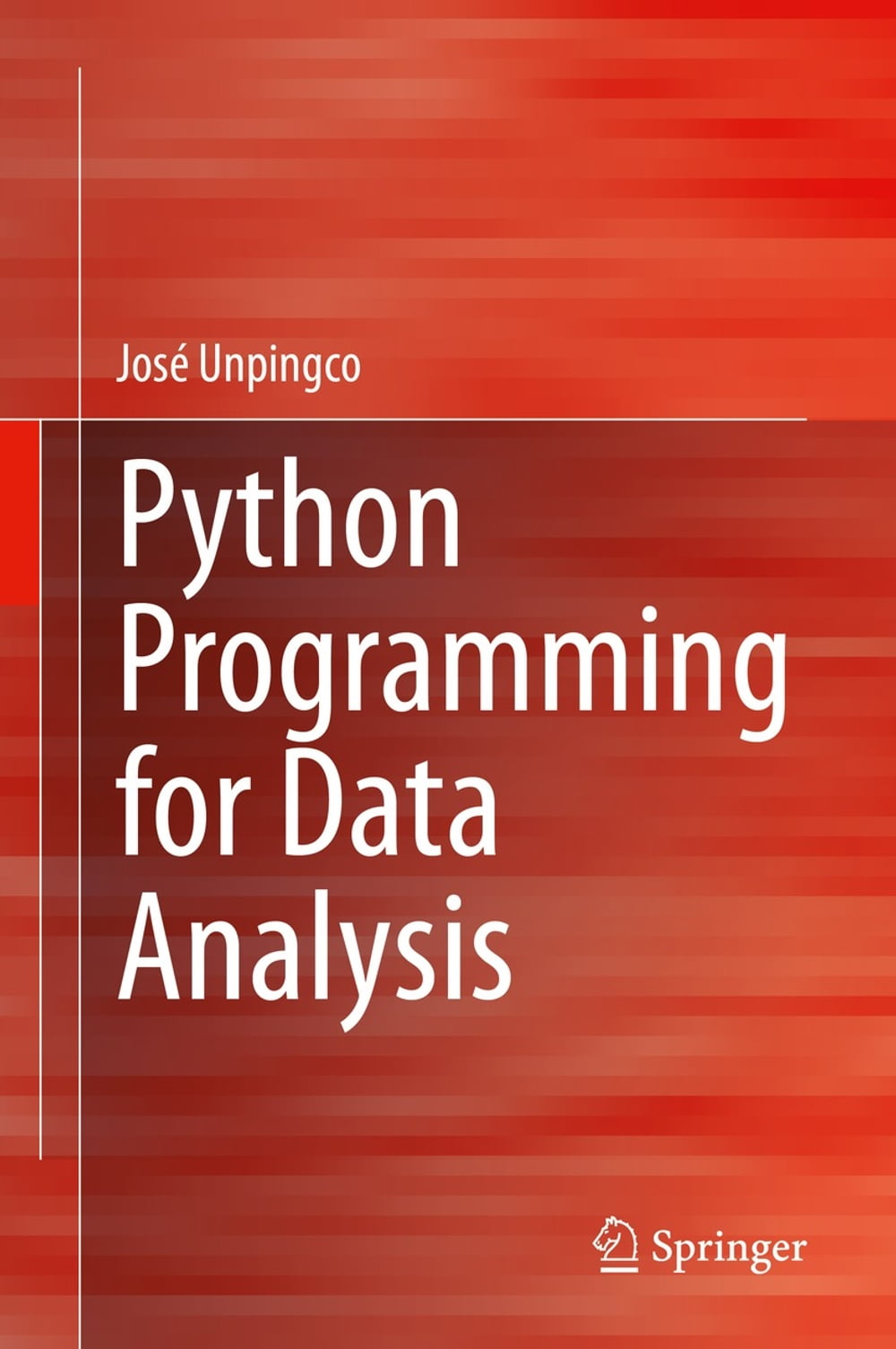


This textbook grew out of notes for the ECE143 Programming for Data Analysis class that the author has been teaching at University of California, San Diego, which is a requirement for both graduate and undergraduate degrees in Machine Learning and Data Science. This book is ideal for readers with some Python programming experience. The book covers key language concepts that must be understood to program effectively, especially for data analysis applications. Certain low-level language features are discussed in detail, especially Python memory management and data structures. Using Python effectively means taking advantage of its vast ecosystem. The book discusses Python package management and how to use third-party modules as well as how to structure your own Python modules. The section on object-oriented programming explains features of the language that facilitate common programming patterns. After developing the key Python language features, the book moves on to third-party modules that are foundational for effective data analysis, starting with Numpy. The book develops key Numpy concepts and discusses internal Numpy array data structures and memory usage. Then, the author moves onto Pandas and details its many features for data processing and alignment. Because strong visualizations are important for communicating data analysis, key modules such as Matplotlib are developed in detail, along with web-based options such as Bokeh, Holoviews, Altair, and Plotly. The text is sprinkled with many tricks-of-the-trade that help avoid common pitfalls. The author explains the internal logic embodied in the Python language so that readers can get into the Python mindset and make better design choices in their codes, which is especially helpful for newcomers to both Python and data analysis. To get the most out of this book, open a Python interpreter and type along with the many code samples.
-
Autore:
-
Anno edizione:2021
-
Editore:
-
Formato:
-
Lingua:Inglese
Compatibilità:
Tutti i dispositivi (eccetto Kindle) Scopri di più
Layout:
Reflowable
EAN:
9783030689520

Formato:
Gli eBook venduti da Feltrinelli.it sono in formato ePub e possono essere protetti da Adobe DRM. In caso di download di un file protetto da DRM si otterrà un file in formato .acs, (Adobe Content Server Message), che dovrà essere aperto tramite Adobe Digital Editions e autorizzato tramite un account Adobe, prima di poter essere letto su pc o trasferito su dispositivi compatibili.
Cloud:
Gli eBook venduti da Feltrinelli.it sono sincronizzati automaticamente su tutti i client di lettura Kobo successivamente all’acquisto. Grazie al Cloud Kobo i progressi di lettura, le note, le evidenziazioni vengono salvati e sincronizzati automaticamente su tutti i dispositivi e le APP di lettura Kobo utilizzati per la lettura.
Clicca qui per sapere come scaricare gli ebook utilizzando un pc con sistema operativo Windows
