










EBOOK IN LINGUA STRANIERA





Raising the World

40,24 €
+400
punti 
Venditore: Feltrinelli

Acquista online
Scaricabile subito
Articolo acquistabile con Carta del Docente

Articolo acquistabile con Carta Cultura Giovani e Carta del Merito

Articolo acquistabile con Carta della Cultura

Dati e Statistiche
 Salvato in 0 liste dei desideri
Salvato in 0 liste dei desideri
Raising the World
Scaricabile subito
40,24 €
40,24 €
Scaricabile subito

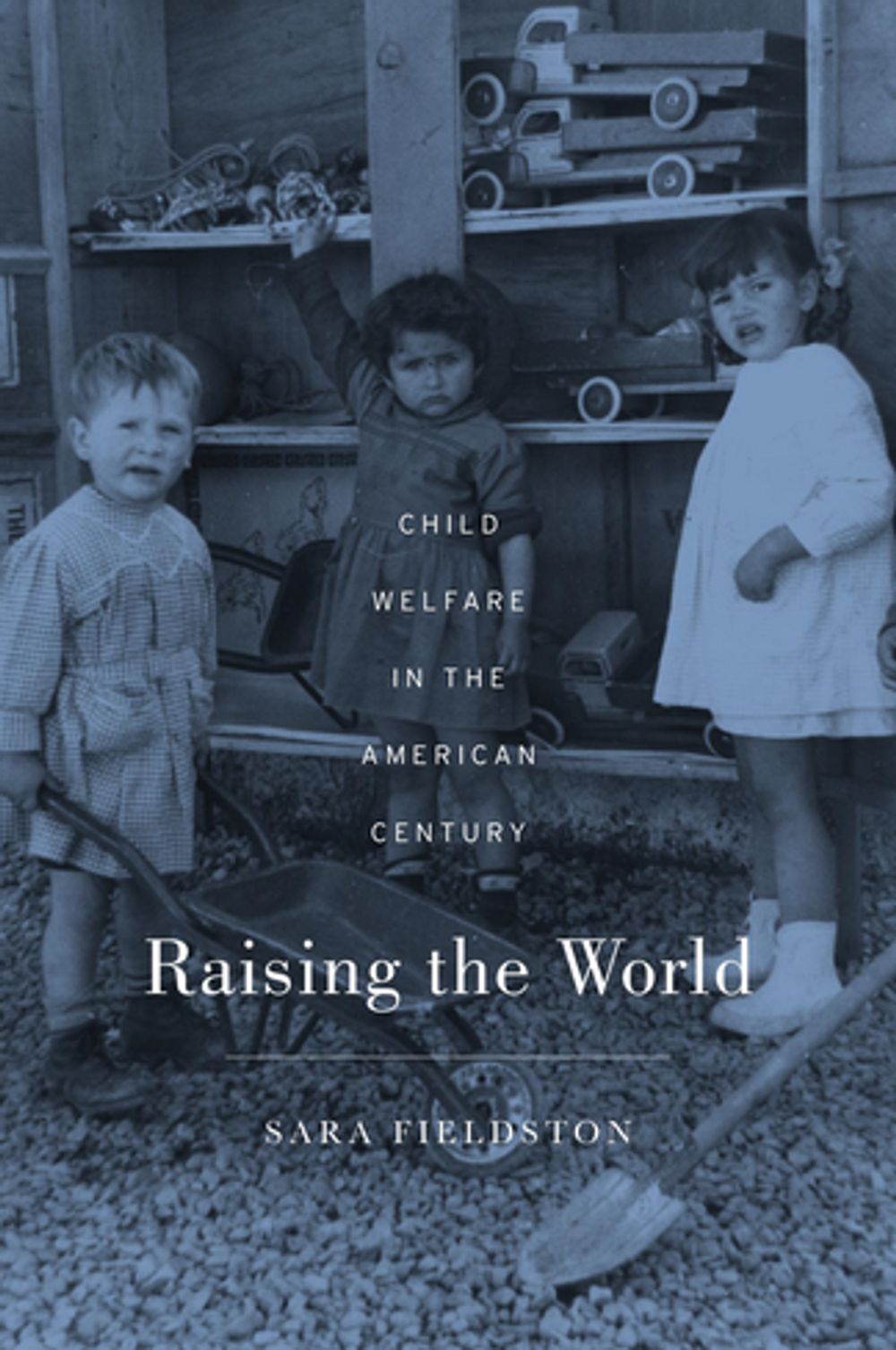



After World War II, American organizations launched efforts to improve the lives of foreign children, from war orphans in Europe and Japan to impoverished youth in the developing world. Providing material aid, education, and emotional support, these programs had a deep humanitarian underpinning. But they were also political projects. Sara Fieldston’s comprehensive account Raising the World shows that the influence of child welfare agencies around the globe contributed to the United States’ expanding hegemony. These organizations filtered American power through the prism of familial love and shaped perceptions of the United States as the benevolent parent in a family of nations. The American Friends Service Committee, Foster Parents’ Plan, and Christian Children’s Fund, among others, sent experts abroad to build nursery schools and orphanages and to instruct parents in modern theories of child rearing and personality development. Back home, thousands of others “sponsored” overseas children by sending money and exchanging often-intimate letters. Although driven by sincere impulses and sometimes fostering durable friendships, such efforts doubled as a form of social engineering. Americans believed that child rearing could prevent the rise of future dictators, curb the appeal of communism, and facilitate economic development around the world. By the 1970s, child welfare agencies had to adjust to a new world in which American power was increasingly suspect. But even as volunteers reconsidered the project of reshaping foreign societies, a perceived universality of children’s needs continued to justify intervention by Americans into young lives across the globe.
-
Autore:
-
Anno edizione:2015
-
Editore:
-
Formato:
-
Lingua:Inglese
Compatibilità:
Tutti i dispositivi (eccetto Kindle) Scopri di più
Layout:
Reflowable
EAN:
9780674425521

Formato:
Gli eBook venduti da Feltrinelli.it sono in formato ePub e possono essere protetti da Adobe DRM. In caso di download di un file protetto da DRM si otterrà un file in formato .acs, (Adobe Content Server Message), che dovrà essere aperto tramite Adobe Digital Editions e autorizzato tramite un account Adobe, prima di poter essere letto su pc o trasferito su dispositivi compatibili.
Cloud:
Gli eBook venduti da Feltrinelli.it sono sincronizzati automaticamente su tutti i client di lettura Kobo successivamente all’acquisto. Grazie al Cloud Kobo i progressi di lettura, le note, le evidenziazioni vengono salvati e sincronizzati automaticamente su tutti i dispositivi e le APP di lettura Kobo utilizzati per la lettura.
Clicca qui per sapere come scaricare gli ebook utilizzando un pc con sistema operativo Windows
