









EBOOK IN LINGUA STRANIERA





The Reproach of Hunger

6,75 €
+70
punti 
Venditore: Feltrinelli

Acquista online
Scaricabile subito
Articolo acquistabile con Carta del Docente

Articolo acquistabile con Carta Cultura Giovani e Carta del Merito

Dati e Statistiche
 Salvato in 0 liste dei desideri
Salvato in 0 liste dei desideri
The Reproach of Hunger
Scaricabile subito
6,75 €
6,75 €
Scaricabile subito
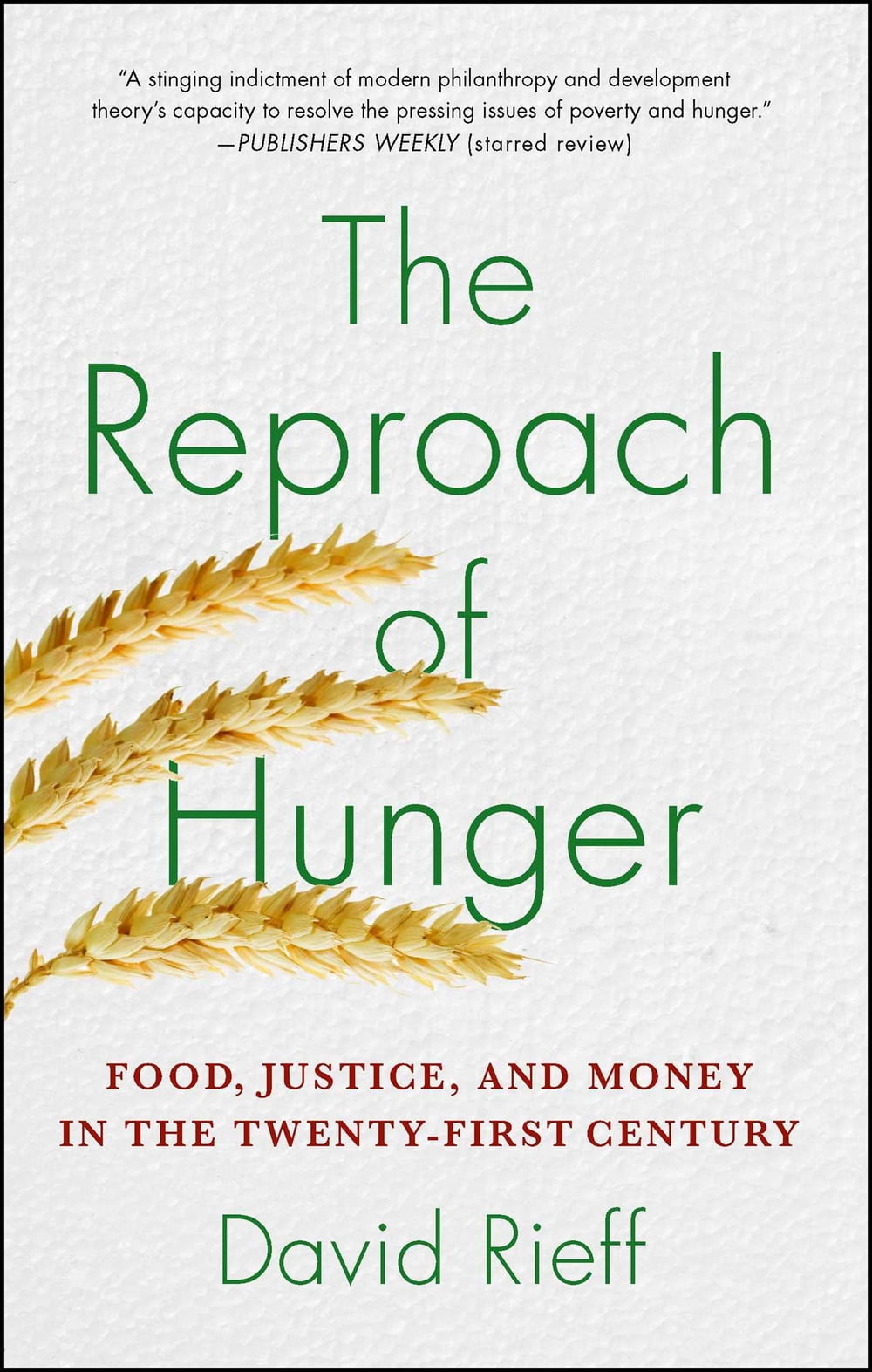



Hailed as “invaluable…a substantial work of political thought,” (New Statesman) in a groundbreaking report, based on years of reporting, David Rieff assesses whether ending extreme poverty and widespread hunger is truly within our reach, as is increasingly promised. Can we provide enough food for nine billion people in 2050, especially the bottom poorest in the Global South? Some of the most brilliant scientists, world politicians, and aid and development experts forecast an end to the crisis of massive malnutrition in the next decades. The World Bank, IMF, and Western governments look to public-private partnerships to solve the problems of access and the cost of food. “Philanthrocapitalists” Bill Gates and Warren Buffett spend billions to solve the problem, relying on technology. And the international development “Establishment” gets publicity from stars Bob Geldorf, George Clooney, and Bono. “Hunger, [David Rieff] writes, is a political problem, and fighting it means rejecting the fashionable consensus that only the private sector can act efficiently” (The New Yorker). Rieff, who has been studying and reporting on humanitarian aid and development for thirty years, takes a careful look. He cites climate change, unstable governments that receive aid, the cozy relationship between the philanthropic sector and giants like Monsanto, that are often glossed over in the race to solve the crisis. “This is a stellar addition to the canon of development policy literature” (Publishers Weekly, starred review). The Reproach of Hunger is the most complete and informed description of the world’s most fundamental question: Can we feed the world’s population? Rieff answers a careful “Yes” and charts the path by showing how it will take seizing all opportunities; technological, cultural, and political to wipe out famine and malnutrition.
-
Autore:
-
Anno edizione:2015
-
Editore:
-
Formato:
-
Lingua:Inglese
Compatibilità:
Tutti i dispositivi (eccetto Kindle) Scopri di più
Layout:
Reflowable
EAN:
9781439148594
Formato:
Gli eBook venduti da Feltrinelli.it sono in formato ePub e possono essere protetti da Adobe DRM. In caso di download di un file protetto da DRM si otterrà un file in formato .acs, (Adobe Content Server Message), che dovrà essere aperto tramite Adobe Digital Editions e autorizzato tramite un account Adobe, prima di poter essere letto su pc o trasferito su dispositivi compatibili.
Cloud:
Gli eBook venduti da Feltrinelli.it sono sincronizzati automaticamente su tutti i client di lettura Kobo successivamente all’acquisto. Grazie al Cloud Kobo i progressi di lettura, le note, le evidenziazioni vengono salvati e sincronizzati automaticamente su tutti i dispositivi e le APP di lettura Kobo utilizzati per la lettura.
Clicca qui per sapere come scaricare gli ebook utilizzando un pc con sistema operativo Windows
