










EBOOK IN LINGUA STRANIERA





Risk and Regulatory Policy

37,99 €
+380
punti 
Venditore: Feltrinelli

Acquista online
Scaricabile subito
Articolo acquistabile con Carta del Docente

Articolo acquistabile con Carta Cultura Giovani e Carta del Merito

Articolo acquistabile con Carta della Cultura

Dati e Statistiche
 Salvato in 0 liste dei desideri
Salvato in 0 liste dei desideri
Risk and Regulatory Policy
Scaricabile subito
37,99 €
37,99 €
Scaricabile subito
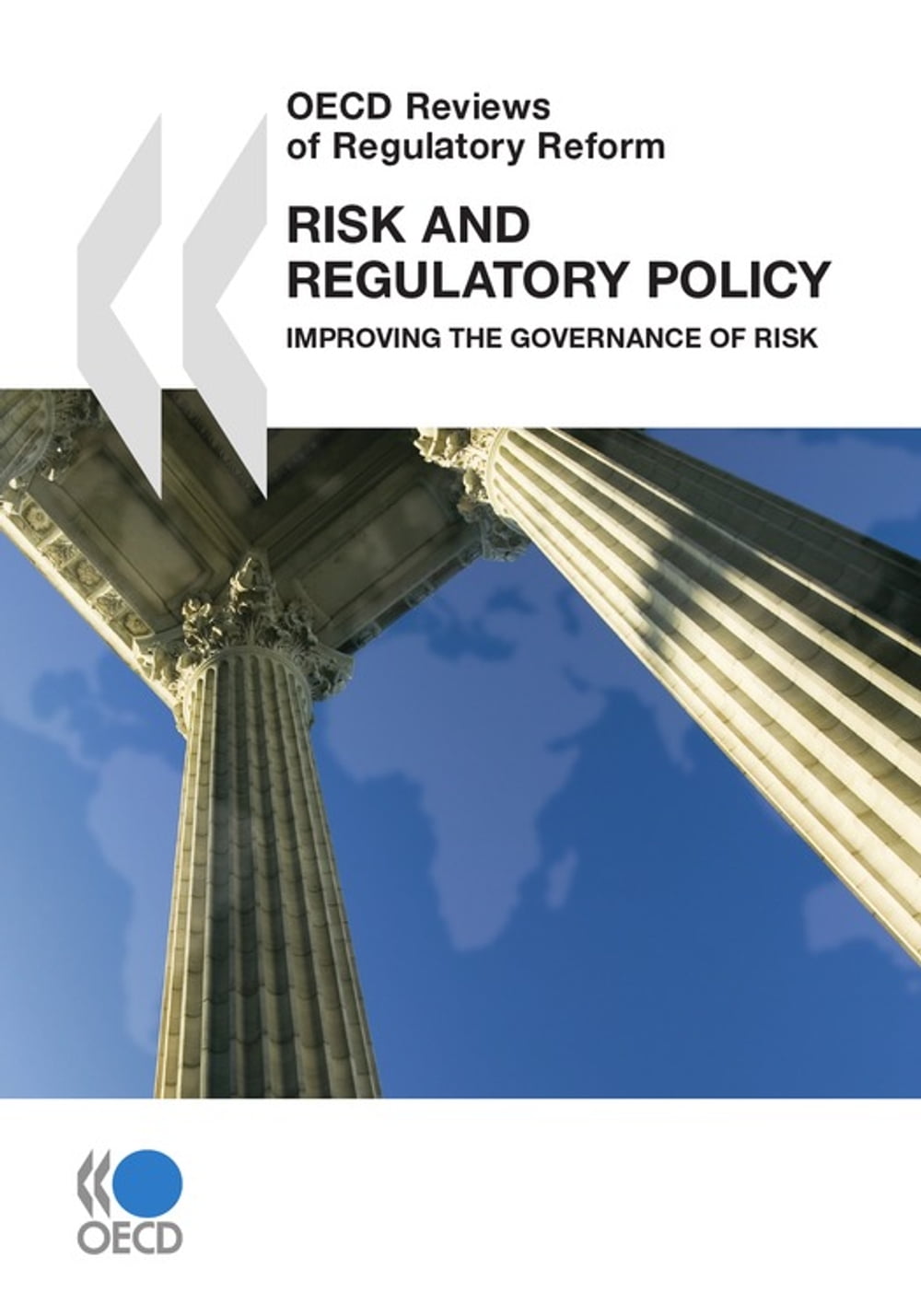


We expect governments to protect citizens from the adverse consequences of hazardous events. At the same time it is not possible or necessarily in the best interest of citizens for all risks to be removed. A risk-based approach to the design and implementation of regulation can help to ensure that regulatory approaches are efficient, effective and account for risk/risk tradeoffs across policy objectives. Risk-based approaches to the design of regulation and compliance strategies can improve the welfare of citizens by providing better protection, more efficient government services and reduced costs for business. Across the OECD there is great potential to improve the operation of risk policy as few governments have taken steps to develop a coherent risk governance policy for managing regulation. This publication presents recent OECD research and analysis on risk and regulatory policy. The chapters discuss core challenges today. They offer measures for developing, or improving, coherent risk governance policies. Topics include: challenges in designing regulatory policy frameworks to manage risks; different cultural and legal dimensions of risk regulatory concepts across OECD; analytical models and principles for decision making in uncertain situations; key elements of risk regulation and governance institutions; the use of management-based regulation to help firms make risk-related behavioural changes; an analysis of the risk-based frameworks of regulators in five OECD countries (Australia, Ireland, Netherlands, Portugal, United Kingdom) and across four sectors: environment, food safety, financial markets and health and safety; and the elements for designing formal guidelines for risk prioritisation, assessment, management and communication.
-
Autore:
-
Anno edizione:2010
-
Editore:
-
Formato:
-
Lingua:Inglese
Compatibilità:
Tutti i dispositivi (eccetto Kindle) Scopri di più
Layout:
Reflowable
EAN:
9789264082939

Formato:
Gli eBook venduti da Feltrinelli.it sono in formato ePub e possono essere protetti da Adobe DRM. In caso di download di un file protetto da DRM si otterrà un file in formato .acs, (Adobe Content Server Message), che dovrà essere aperto tramite Adobe Digital Editions e autorizzato tramite un account Adobe, prima di poter essere letto su pc o trasferito su dispositivi compatibili.
Cloud:
Gli eBook venduti da Feltrinelli.it sono sincronizzati automaticamente su tutti i client di lettura Kobo successivamente all’acquisto. Grazie al Cloud Kobo i progressi di lettura, le note, le evidenziazioni vengono salvati e sincronizzati automaticamente su tutti i dispositivi e le APP di lettura Kobo utilizzati per la lettura.
Clicca qui per sapere come scaricare gli ebook utilizzando un pc con sistema operativo Windows
