









LIBRO INGLESE





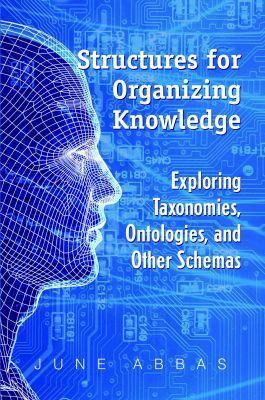
Structures for Organizing Knowledge: Exploring Taxonomies, Ontologies and Other Schema

134,80 €
+1350
punti 
Venditore: Feltrinelli
Articolo acquistabile con Carta del Docente

Articolo acquistabile con Carta Cultura Giovani e Carta del Merito

Articolo acquistabile con Carta della Cultura

Paga con Klarna in 3 rate senza interessi per ordini superiori a 39 €

Dati e Statistiche
 Salvato in 0 liste dei desideri
Salvato in 0 liste dei desideri
Structures for Organizing Knowledge: Exploring Taxonomies, Ontologies and Other Schema
Disponibilità in 2 settimane
134,80 €
134,80 €
Disponibilità in 2 settimane
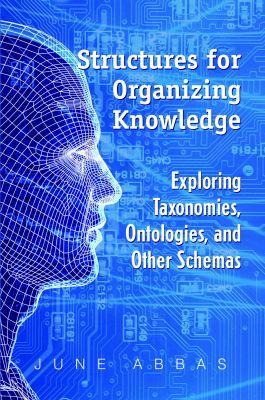



lis professionals use structures for organizing knowledge when they catalog and classify objects in the collection, when they develop databases, when they design customized taxonomies, or when they search online. Organizing Knowledge: Exploring Taxonomies, Ontologies, and Other Schema explores and explains this basic function by looking at three questions: 1) How do we organize objects so that they make sense and are useful? 2) What role do categories, classifications, taxonomies, and other structures play in the process of organizing? 3) What do information professionals need to know about organizing behaviors in order to design useful structures for organizing knowledge? Taking a broad, yet specialized approach that is a first in the field, this book answers those questions by examining three threads: traditional structures for organizing knowledge; personal structures for organizing knowledge; and socially-constructed structures for organizing knowledge. Through these threads, it offers avenues for expanding thinking on classification and classification schemes, taxonomy and ontology development, and structures. Both a history of the development of taxonomies and an analysis of current research, theories, and applications, this volume explores a wide array of topics, including the new digital, social aspect of taxonomy development. Examples of subjects covered include: formal and informal structures; early taxonomists and their contributions; cataloging codes; classification schemes; standards and best practice; descriptive cataloging; metadata schema standards; applications of knowledge structures; classification schemes; social networking, bookmarking, and cataloging sites; tags, tagging, and folksonomies. Thought exercises, references, and a list of helpful websites augment each section. A final chapter, 'Thinking Ahead: Are We at a Crossroads?' uses 'envisioning exercises' to help LIS professionals look into the future.|lis professionals use structures for organizing knowledge when they catalog and classify objects in the collection, when they develop databases, when they design customized taxonomies, or when they search online. Organizing Knowledge: Exploring Taxonomies, Ontologies, and Other Schema explores and explains this basic function by looking at three questions: 1) How do we organize objects so that they make sense and are useful? 2) What role do categories, classifications, taxonomies, and other structures play in the process of organizing? 3) What do information professionals need to know about organizing behaviors in order to design useful structures for organizing knowledge? Taking a broad, yet specialized approach that is a first in the field, this book answers those questions by examining three threads: traditional structures for organizing knowledge; personal structures for organizing knowledge; and socially-constructed structures for organizing knowledge. Through these threads, it offers avenues for expanding thinking on classification and classification schemes, taxonomy and ontology development, and structures. Both a history of the development of taxonomies and an analysis of current research, theories, and applications, this volume explores a wide array of topics, including the new digital, social aspect of taxonomy development. Examples of subjects covered include: formal and informal structures; early taxonomists and their contributions; cataloging codes; classification schemes; standards and best practice; descriptive cataloging; metadata schema standards; applications of knowledge structures; classification schemes; social networking, bookmarking, and cataloging sites; tags, tagging, and folksonomies. Thought exercises, references, and a list of helpful websites augment each section. A final chapter, 'Thinking Ahead: Are We at a Crossroads?' uses 'envisioning exercises' to help LIS professionals look into the future.
-
Autore:
-
Editore:
-
Anno:2010
-
Rilegatura:Paperback / softback
Pagine:
275 p.
Testo in English
EAN:
9781555706999

Informazioni e Contatti sulla Sicurezza dei Prodotti
Le schede prodotto sono aggiornate in conformità al Regolamento UE 988/2023. Laddove ci fossero taluni dati non disponibili per ragioni indipendenti da Feltrinelli, vi informiamo che stiamo compiendo ogni ragionevole sforzo per inserirli. Vi invitiamo a controllare periodicamente il sito www.lafeltrinelli.it per eventuali novità e aggiornamenti.
Per le vendite di prodotti da terze parti, ciascun venditore si assume la piena e diretta responsabilità per la commercializzazione del prodotto e per la sua conformità al Regolamento UE 988/2023, nonché alle normative nazionali ed europee vigenti.
Per informazioni sulla sicurezza dei prodotti, contattare productsafety@feltrinelli.it
