









EBOOK





The Art of Memory: From Classical Antiquity to the Modern Times

2,99 €
+30
punti 
Venditore: Feltrinelli

Acquista online
Scaricabile subito
Articolo acquistabile con Carta del Docente

Articolo acquistabile con Carta Cultura Giovani e Carta del Merito

Articolo acquistabile con Carta della Cultura

Abbonati a Kobo plus per avere accesso illimitato a questo contenuto

Dati e Statistiche
 Salvato in 0 liste dei desideri
Salvato in 0 liste dei desideri
The Art of Memory: From Classical Antiquity to the Modern Times
Scaricabile subito
2,99 €
2,99 €
Scaricabile subito




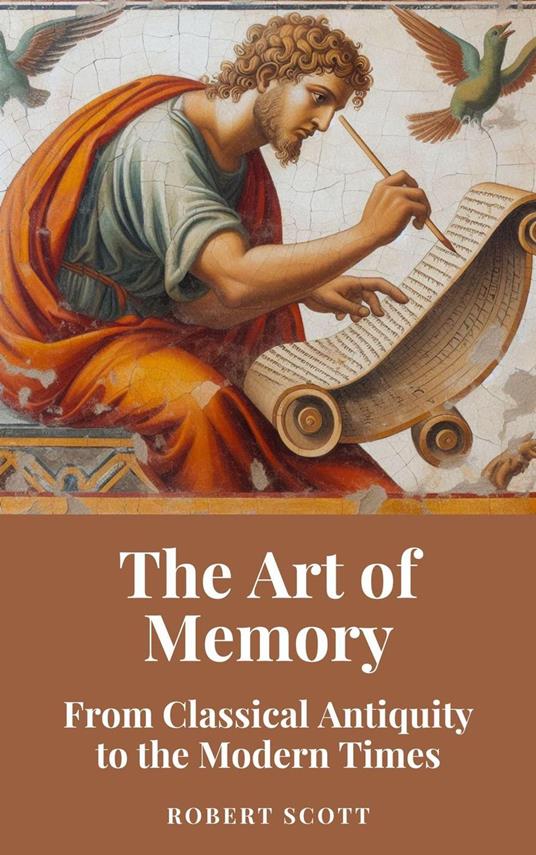
The art of memory, a practice dating back to classical antiquity, has been revered and developed as both a cognitive skill and a pathway to wisdom. Originating in the mnemonic techniques of ancient Greece, such as the method of loci (memory palace), the art of memory was adapted and deepened by Roman orators, Christian theologians, and medieval monastic scholars who viewed memory as essential to rhetoric, intellectual organization, and spiritual growth. Figures like Simonides, Cicero, Augustine, Thomas Aquinas, Hugh of St. Victor, and Ramon Llull contributed to a rich tradition of memory practices, each adding layers of ethical, philosophical, and mystical significance to the discipline. The invention of the printing press and the spread of written texts during the Renaissance led to a decline in reliance on traditional memory techniques. However, Renaissance humanists, mystics, and thinkers like Giordano Bruno continued to explore and expand memory practices, blending mnemonic systems with metaphysical and scientific inquiries. The resurgence of interest in memory techniques during the 20th century, particularly through the work of Frances Yates, highlighted the influence of these historical practices on the development of modern thought. Today, the art of memory remains relevant, intersecting with fields like cognitive science, artificial intelligence, and augmented reality, while also playing a role in competitive memory sports and educational methods. Neuroscientific studies reveal how mnemonic techniques shape brain function, and digital tools provide new ways to integrate memory techniques into daily life. As we face an age of digital dependency, the art of memory offers a counterbalance, encouraging mindfulness, cognitive autonomy, and a structured approach to knowledge. This work traces the journey of the art of memory from its ancient origins to its future potential, demonstrating how memory has been cultivated not merely for retention but as a method for intellectual enrichment, moral discipline, and personal transformation. In an age of rapid technological change, the art of memory endures as a bridge between past and future, offering timeless insights into the nature of human cognition and self-discovery.
-
Autore:
-
Editore:
-
Formato:
-
Lingua:Inglese
-
Cloud:
Compatibilità:
Tutti i dispositivi (eccetto Kindle) Scopri di più
Layout:
Reflowable
EAN:
9798227600905

Formato:
Gli eBook venduti da Feltrinelli.it sono in formato ePub e possono essere protetti da Adobe DRM. In caso di download di un file protetto da DRM si otterrà un file in formato .acs, (Adobe Content Server Message), che dovrà essere aperto tramite Adobe Digital Editions e autorizzato tramite un account Adobe, prima di poter essere letto su pc o trasferito su dispositivi compatibili.
Cloud:
Gli eBook venduti da Feltrinelli.it sono sincronizzati automaticamente su tutti i client di lettura Kobo successivamente all’acquisto. Grazie al Cloud Kobo i progressi di lettura, le note, le evidenziazioni vengono salvati e sincronizzati automaticamente su tutti i dispositivi e le APP di lettura Kobo utilizzati per la lettura.
Clicca qui per sapere come scaricare gli ebook utilizzando un pc con sistema operativo Windows
