









EBOOK IN LINGUA STRANIERA





Truth in Fiction

84,23 €
+840
punti 
Venditore: Feltrinelli

Acquista online
Scaricabile subito
Articolo acquistabile con Carta del Docente

Articolo acquistabile con Carta Cultura Giovani e Carta del Merito

Articolo acquistabile con Carta della Cultura

Dati e Statistiche
 Salvato in 0 liste dei desideri
Salvato in 0 liste dei desideri
Truth in Fiction
Scaricabile subito
84,23 €
84,23 €
Scaricabile subito
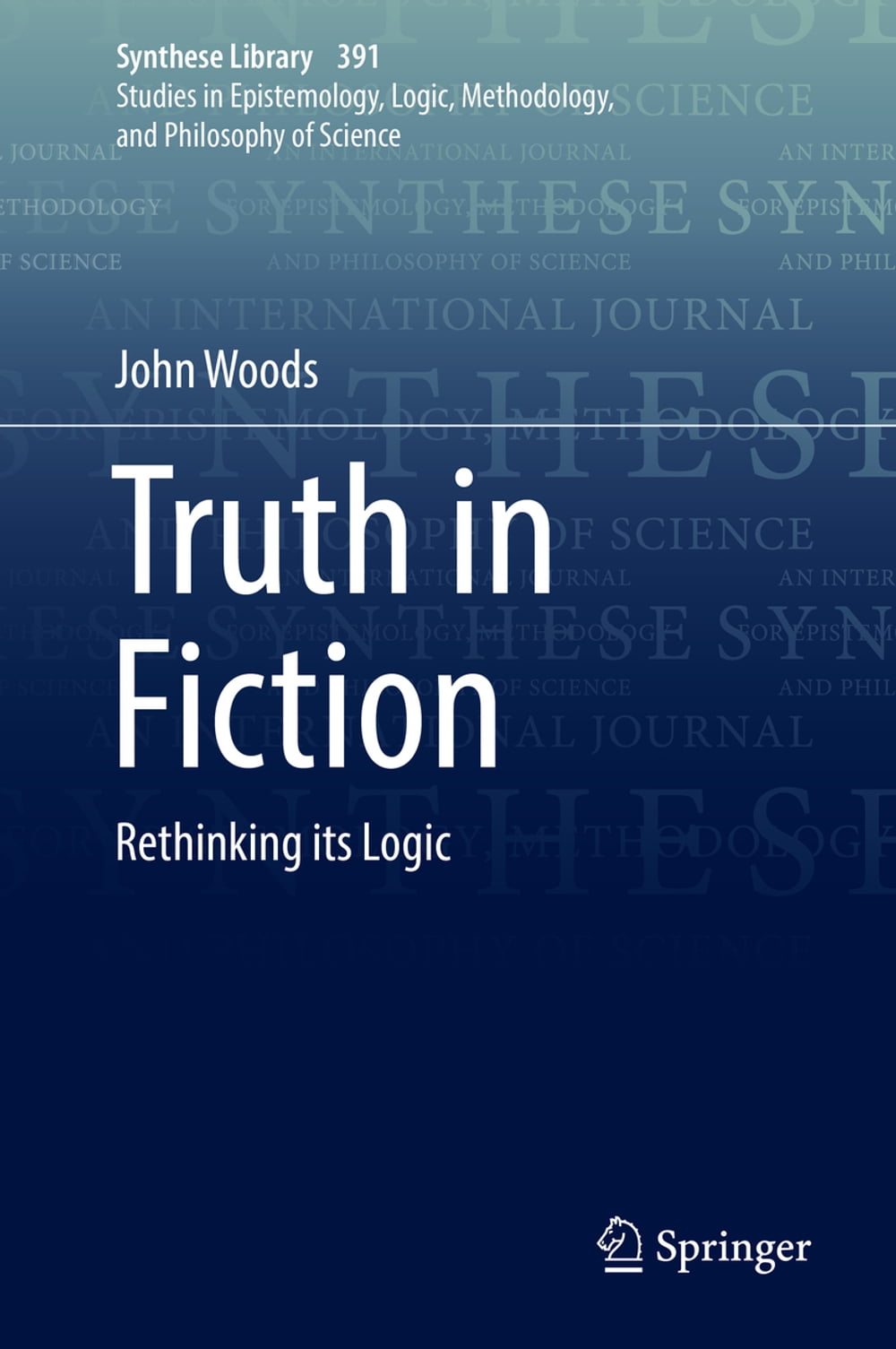


This monograph examines truth in fiction by applying the techniques of a naturalized logic of human cognitive practices. The author structures his project around two focal questions. What would it take to write a book about truth in literary discourse with reasonable promise of getting it right? What would it take to write a book about truth in fiction as true to the facts of lived literary experience as objectivity allows? It is argued that the most semantically distinctive feature of the sentences of fiction is that they areunambiguously true and false together. It is true that Sherlock Holmes lived at 221B Baker Street and also concurrently false that he did. A second distinctive feature of fiction is that the reader at large knows of this inconsistency and isn’t in the least cognitively molested by it. Why, it is asked, would this be so? What would explain it? Two answers are developed. According to the no-contradiction thesis, the semantically tangled sentences of fiction are indeed logically inconsistent but not logically contradictory. According to the no-bother thesis, if the inconsistencies of fiction were contradictory, a properly contrived logic for the rational management of inconsistency would explain why readers at large are not thrown off cognitive stride by their embrace of those contradictions. As developed here, the account of fiction suggests the presence of an underlying three - or four-valued dialethic logic. The author shows this to be a mistaken impression. There are only two truth-values in his logic of fiction. The naturalized logic of Truth in Fiction jettisons some of the standard assumptions and analytical tools of contemporary philosophy, chiefly because the neurotypical linguistic and cognitive behaviour of humanity at large is at variance with them. Using the resources of a causal response epistemology in tandem with the naturalized logic, the theory produced here is data-driven, empirically sensitive, and open to a circumspect collaboration with the empirical sciences of language and cognition.
-
Autore:
-
Anno edizione:2018
-
Editore:
-
Formato:
-
Lingua:Inglese
Compatibilità:
Tutti i dispositivi (eccetto Kindle) Scopri di più
Layout:
Reflowable
EAN:
9783319726588


Formato:
Gli eBook venduti da Feltrinelli.it sono in formato ePub e possono essere protetti da Adobe DRM. In caso di download di un file protetto da DRM si otterrà un file in formato .acs, (Adobe Content Server Message), che dovrà essere aperto tramite Adobe Digital Editions e autorizzato tramite un account Adobe, prima di poter essere letto su pc o trasferito su dispositivi compatibili.
Cloud:
Gli eBook venduti da Feltrinelli.it sono sincronizzati automaticamente su tutti i client di lettura Kobo successivamente all’acquisto. Grazie al Cloud Kobo i progressi di lettura, le note, le evidenziazioni vengono salvati e sincronizzati automaticamente su tutti i dispositivi e le APP di lettura Kobo utilizzati per la lettura.
Clicca qui per sapere come scaricare gli ebook utilizzando un pc con sistema operativo Windows
