









EBOOK IN LINGUA STRANIERA





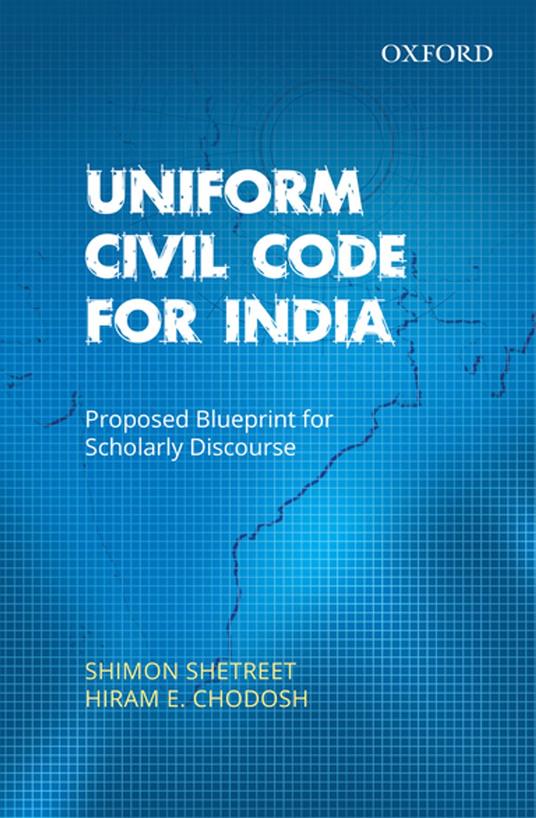
Uniform Civil Code for India

38,68 €
+390
punti 
Venditore: Feltrinelli

Acquista online
Scaricabile subito
Articolo acquistabile con Carta del Docente

Articolo acquistabile con Carta Cultura Giovani e Carta del Merito

Articolo acquistabile con Carta della Cultura

Dati e Statistiche
 Salvato in 0 liste dei desideri
Salvato in 0 liste dei desideri
Uniform Civil Code for India
Scaricabile subito
38,68 €
38,68 €
Scaricabile subito




Article 44 of The Constitution of India, provides that 'The State shall endeavour to secure for the citizens a Uniform Civil Code throughout the territory of India.' Even after more than six decades, this anticipated code has not been developed or implemented. This book provides a blueprint for alternative frameworks and courses of action, drawing on lessons from comparative context to develop a Uniform Civil Code for India. It explores the interplay between issues of law, culture, and religion in light of various intra-community and inter-community disputes. The book proposes a series of guidelines and considerations to inform this process. The first guideline urges that the process of preparing and implementing a Uniform Civil Code should be the function of the Legislature. The Courts can resolve certain specific points but the comprehensive code is a legislative function and not for judicial resolution. The second guideline suggests the parallel application of civil and religious law. The securing of a Uniform Civil Code must not negate the possibility of citizens availing themselves of religious law-if they so wish. The third guideline advises a gradual application of a Uniform Civil Code. The development of the code should be done topic by topic, chapter by chapter. The fourth guideline is to deploy tools of mediation in both the formation of the code and its implementation. This mediation should take on two forms—intercommunity mediation and individual mediation. The first of these two relates to a dialogue between the communities of India, to advance an agreement upon the substantive provisions of the Uniform Civil Code. The second relates to mediation between individuals, in occasions where dispute arises in the realm of personal law.
-
Autore:
-
Anno edizione:2018
-
Editore:
-
Formato:
-
Lingua:Inglese
Compatibilità:
Tutti i dispositivi (eccetto Kindle) Scopri di più
Layout:
Reflowable
EAN:
9780199089475

Formato:
Gli eBook venduti da Feltrinelli.it sono in formato ePub e possono essere protetti da Adobe DRM. In caso di download di un file protetto da DRM si otterrà un file in formato .acs, (Adobe Content Server Message), che dovrà essere aperto tramite Adobe Digital Editions e autorizzato tramite un account Adobe, prima di poter essere letto su pc o trasferito su dispositivi compatibili.
Cloud:
Gli eBook venduti da Feltrinelli.it sono sincronizzati automaticamente su tutti i client di lettura Kobo successivamente all’acquisto. Grazie al Cloud Kobo i progressi di lettura, le note, le evidenziazioni vengono salvati e sincronizzati automaticamente su tutti i dispositivi e le APP di lettura Kobo utilizzati per la lettura.
Clicca qui per sapere come scaricare gli ebook utilizzando un pc con sistema operativo Windows
