











LIBRO INGLESE





Vietnam's Strategic Thinking during the Third Indochina War

42,90 €
+430
punti 
Venditore: Feltrinelli
Articolo acquistabile con Carta del Docente

Articolo acquistabile con Carta Cultura Giovani e Carta del Merito

Paga con Klarna in 3 rate senza interessi per ordini superiori a 39 €

Dati e Statistiche
 Salvato in 0 liste dei desideri
Salvato in 0 liste dei desideri
Vietnam's Strategic Thinking during the Third Indochina War
Disponibilità in 2 settimane
42,90 €
42,90 €
Disponibilità in 2 settimane

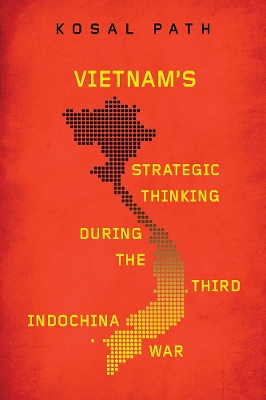




When costly efforts to cement a strategic partnership with the Soviet Union failed, the combined political pressure of economic crisis at home and imminent external threats posed by a Sino-Cambodian alliance compelled Hanoi to reverse course. Moving away from the Marxist-Leninist ideology that had prevailed during the last decade of the Cold War era, the Vietnamese government implemented broad doi moi ("renovation") reforms intended to create a peaceful regional environment for the country's integration into the global economy. In contrast to earlier studies, Path traces the moving target of these changing policy priorities, providing a vital addition to existing scholarship on asymmetric wartime decision-making and alliance formation among small states. The result uncovers how this critical period had lasting implications for the ways Vietnam continues to conduct itself on the global stage.
-
Autore:
-
Editore:
-
Collana:New Perspectives in SE Asian Studies
-
Anno:2023
-
Rilegatura:Paperback / softback
Pagine:
308 p.
Testo in English
Dimensioni:
229 x 152 mm
EAN:
9780299322748
Informazioni e Contatti sulla Sicurezza dei Prodotti
Le schede prodotto sono aggiornate in conformità al Regolamento UE 988/2023. Laddove ci fossero taluni dati non disponibili per ragioni indipendenti da Feltrinelli, vi informiamo che stiamo compiendo ogni ragionevole sforzo per inserirli. Vi invitiamo a controllare periodicamente il sito www.lafeltrinelli.it per eventuali novità e aggiornamenti.
Per le vendite di prodotti da terze parti, ciascun venditore si assume la piena e diretta responsabilità per la commercializzazione del prodotto e per la sua conformità al Regolamento UE 988/2023, nonché alle normative nazionali ed europee vigenti.
Per informazioni sulla sicurezza dei prodotti, contattare productsafety@feltrinelli.it
