









EBOOK IN LINGUA STRANIERA





Walter Lippmann

34,52 €
+350
punti 
Venditore: Feltrinelli

Acquista online
Scaricabile subito
Articolo acquistabile con Carta del Docente

Articolo acquistabile con Carta Cultura Giovani e Carta del Merito

Articolo acquistabile con Carta della Cultura

Dati e Statistiche
 Salvato in 0 liste dei desideri
Salvato in 0 liste dei desideri
Walter Lippmann
Scaricabile subito
34,52 €
34,52 €
Scaricabile subito

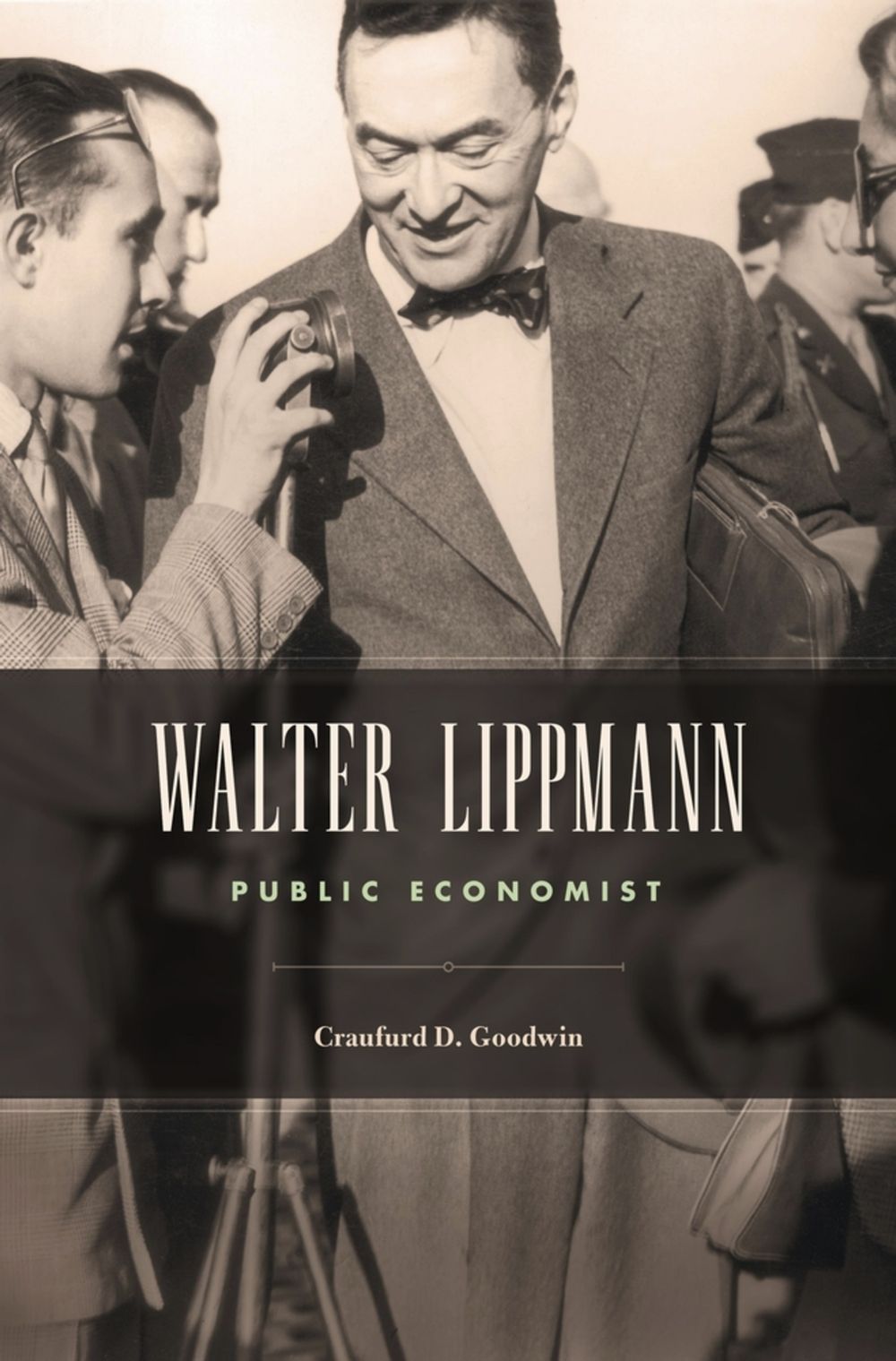


Walter Lippmann was the most distinguished American journalist and public philosopher of the twentieth century. But he was also something more: a public economist who helped millions of ordinary citizens make sense of the most devastating economic depression in history. Craufurd Goodwin offers a new perspective from which to view this celebrated but only partly understood icon of American letters. From 1931 to 1946 Lippmann pursued a far-ranging correspondence with leading economic thinkers: John Maynard Keynes, Lionel Robbins, Friedrich Hayek, Henry Simons, Adolf Berle, Frank Taussig, and others. Sifting through their divergent views, Lippmann formed his own ideas about economic policy during the Great Depression and shared them with a vast readership in his syndicated column, Today and Tomorrow. Unemployment, monetary and fiscal policy, and the merits and drawbacks of free markets were just a few of the issues he helped explain to the public, at a time when professional economists who were also skilled at translating abstract concepts for a lay audience had yet to come on the scene. After World War II Lippmann focused on foreign affairs but revisited economic policy when he saw threats to liberal democracy. In addition to pointing out the significance of the Marshall Plan and the World Bank, he addressed the emerging challenge of inflation and what he called “the riddle of the Sphinx”: whether price stability and full employment could be achieved in an economy with strong unions.
-
Autore:
-
Anno edizione:2014
-
Editore:
-
Formato:
-
Lingua:Inglese
Compatibilità:
Tutti i dispositivi (eccetto Kindle) Scopri di più
Layout:
Reflowable
EAN:
9780674745124

Formato:
Gli eBook venduti da Feltrinelli.it sono in formato ePub e possono essere protetti da Adobe DRM. In caso di download di un file protetto da DRM si otterrà un file in formato .acs, (Adobe Content Server Message), che dovrà essere aperto tramite Adobe Digital Editions e autorizzato tramite un account Adobe, prima di poter essere letto su pc o trasferito su dispositivi compatibili.
Cloud:
Gli eBook venduti da Feltrinelli.it sono sincronizzati automaticamente su tutti i client di lettura Kobo successivamente all’acquisto. Grazie al Cloud Kobo i progressi di lettura, le note, le evidenziazioni vengono salvati e sincronizzati automaticamente su tutti i dispositivi e le APP di lettura Kobo utilizzati per la lettura.
Clicca qui per sapere come scaricare gli ebook utilizzando un pc con sistema operativo Windows
