










LIBRO INGLESE





Aquatic Genomics and Food Security: Integrative Approaches and Future Prospects

219,99 €
+2200
punti 
Venditore: Feltrinelli
Articolo acquistabile con Carta del Docente

Articolo acquistabile con Carta Cultura Giovani e Carta del Merito

Articolo acquistabile con Carta della Cultura

Paga con Klarna in 3 rate senza interessi per ordini superiori a 39 €

Dati e Statistiche
 Salvato in 0 liste dei desideri
Salvato in 0 liste dei desideri
Aquatic Genomics and Food Security: Integrative Approaches and Future Prospects
Disponibilità in 3 settimane
219,99 €
219,99 €
Disponibilità in 3 settimane
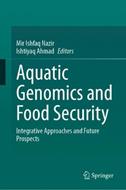




Fish and other aquatic animals play an essential role in ensuring food and nutrition security in many countries where a significant portion of the population is poor and undernourished. These aquatic foods provide a rich source of high-quality protein, numerous micronutrients and fatty acids vital for human brain development. In low-income, food-deficit regions, fish is often the most affordable and commonly consumed animal-source food, making it a crucial component in diversifying diets that are otherwise heavily reliant on starchy staples. Additionally, fish consumption enhances food and nutrition security beyond its inherent nutrient content by facilitating the absorption of nutrients from plant-based foods in the diet. While fish is commonly associated with food security through its protein content, its true value lies in being a rich source of micronutrients and lipids. It provides easily digestible, high-quality proteins and healthy fats, along with essential nutrients like iodine, vitamin D, and calcium and serves as the primary source of omega-3 fatty acids in the human diet. Aquatic Genomics and Food Security: Integrative Approaches and Future Prospects delves into state-of-the-art strategies, offering insights into omic technologies in aquaculture for sustainable practices and global food security. Nutrigenomics provides a comprehensive understanding of how nutrients impact gene regulation and the pathways involved in nutrient utilization. Omic technologies, such as transcriptome analyses during early developmental stages, reveal transcript levels and differential gene expression during fish ontogenetic development, shedding light on larval nutrition mechanisms. This comprehensive book delves into the application of proteomic technologies to understand the protein expression profiles in aquatic organisms, providing insights into growth, health, and disease resistance by highlighting how proteomics can optimize feed formulations, improve fish health, and enhance overall productivity. Additionally, advanced microbiome analyses through metagenomics are discussed, emphasizing the role of microbial communities in digestion and health. The importance of metabolomics is highlighted, showcasing how metabolite profiling identifies markers for nutrient utilization, leading to improved performance and higher production, thereby contributing to sustainable food security. The book seeks to integrate advanced omic approaches and future perspectives to optimize aquaculture nutrition, enhance fish health and growth, and support sustainable aquaculture practices for global food security.
-
Curatore:
-
Editore:
-
Anno:2026
-
Rilegatura:Hardback
Pagine:
449 p.
Testo in English
Dimensioni:
235 x 155 mm
EAN:
9783032149701

Informazioni e Contatti sulla Sicurezza dei Prodotti
Le schede prodotto sono aggiornate in conformità al Regolamento UE 988/2023. Laddove ci fossero taluni dati non disponibili per ragioni indipendenti da Feltrinelli, vi informiamo che stiamo compiendo ogni ragionevole sforzo per inserirli. Vi invitiamo a controllare periodicamente il sito www.lafeltrinelli.it per eventuali novità e aggiornamenti.
Per le vendite di prodotti da terze parti, ciascun venditore si assume la piena e diretta responsabilità per la commercializzazione del prodotto e per la sua conformità al Regolamento UE 988/2023, nonché alle normative nazionali ed europee vigenti.
Per informazioni sulla sicurezza dei prodotti, contattare productsafety@feltrinelli.it
