









EBOOK IN LINGUA STRANIERA





Astrology in Ancient Mesopotamia

13,52 €
+140
punti 
Venditore: Feltrinelli

Acquista online
Scaricabile subito
Articolo acquistabile con Carta del Docente

Articolo acquistabile con Carta Cultura Giovani e Carta del Merito

Articolo acquistabile con Carta della Cultura

Dati e Statistiche
 Salvato in 0 liste dei desideri
Salvato in 0 liste dei desideri
Astrology in Ancient Mesopotamia
Scaricabile subito
13,52 €
13,52 €
Scaricabile subito
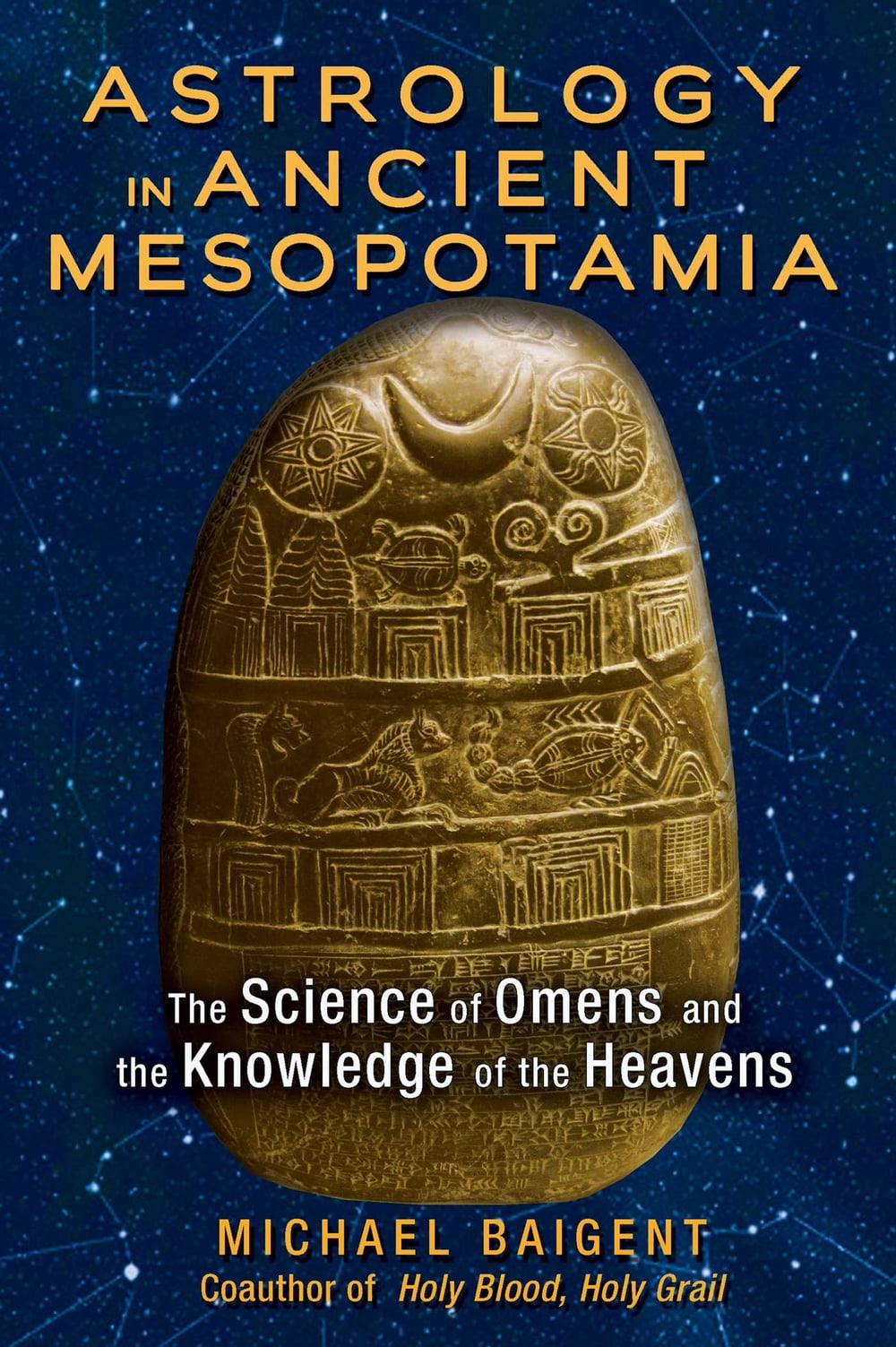


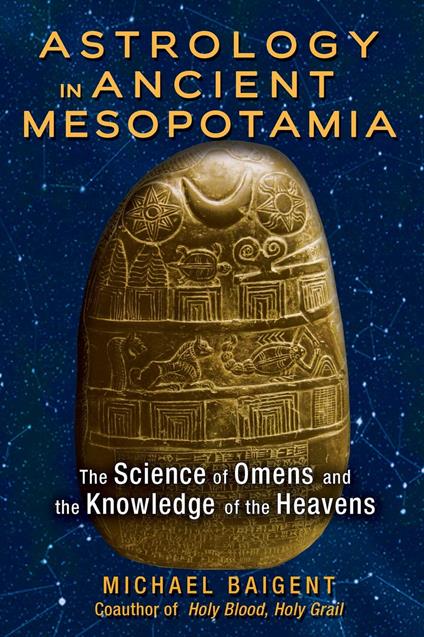
A detailed study of the earliest forms of astrology in Mesopotamia and their far-reaching hermetic influences from the Renaissance to the present day • Reveals the roots of modern astrology in the Babylonian science of omens, which was concerned not with individuals but with the state and king • Explores Mesopotamian mythology as it relates to the planets and to astrology • Traces the hermetic transmission of this knowledge over the centuries from Mesopotamia to Egypt to Renaissance Italy Among the many significant discoveries excavated from Assyrian king Ashurbanipal’s royal library in Nineveh were tablets documenting the development of Mesopotamian astrology, now recognized as the earliest astrological science. Drawing upon translations of the Nineveh library tablets as well as many other ancient sources, Michael Baigent reveals the roots of modern astrology in the Babylonian science of omens. He explains how astrology in the Babylonian and Assyrian empires was concerned not with individuals but with the king and the state. He shows that by the first dynasty of Babylon, around 1900 to 1600 BC, astrology had become a systematic discipline, the preserve of highly trained specialists intent upon interpreting omens from the movements of planets and stars. He explores Mesopotamian mythology as it relates to the planets and to astrology as well as to Mesopotamian religion, magic, and politics--for the mythology of Babylon and Assyria served the state and thus changed as the state changed. He shows how this ancient form of astrology uniquely represents both Sun and Moon as masculine entities and Saturn (Ninurta) as the principle of order imposed on chaos. He examines the connections between ancient astrology and the symbolism of Western religions, such as how the “Greek” or “Templar” cross may symbolize the Babylonian god Nabu, now known as Mercury. Tracing the hermetic transmission of this knowledge over the centuries from Mesopotamia to Egypt to Florence, Baigent reveals how the religious and magical aspects of early Babylonian cosmological speculation played a significant role in the Renaissance, influencing prominent figures such as Cosimo de Medici, Marsilio Ficino, and Botticelli.
-
Autore:
-
Anno edizione:2015
-
Editore:
-
Formato:
-
Lingua:Inglese
Compatibilità:
Tutti i dispositivi (eccetto Kindle) Scopri di più
Layout:
Reflowable
EAN:
9781591432227


Formato:
Gli eBook venduti da Feltrinelli.it sono in formato ePub e possono essere protetti da Adobe DRM. In caso di download di un file protetto da DRM si otterrà un file in formato .acs, (Adobe Content Server Message), che dovrà essere aperto tramite Adobe Digital Editions e autorizzato tramite un account Adobe, prima di poter essere letto su pc o trasferito su dispositivi compatibili.
Cloud:
Gli eBook venduti da Feltrinelli.it sono sincronizzati automaticamente su tutti i client di lettura Kobo successivamente all’acquisto. Grazie al Cloud Kobo i progressi di lettura, le note, le evidenziazioni vengono salvati e sincronizzati automaticamente su tutti i dispositivi e le APP di lettura Kobo utilizzati per la lettura.
Clicca qui per sapere come scaricare gli ebook utilizzando un pc con sistema operativo Windows
