









EBOOK IN LINGUA STRANIERA





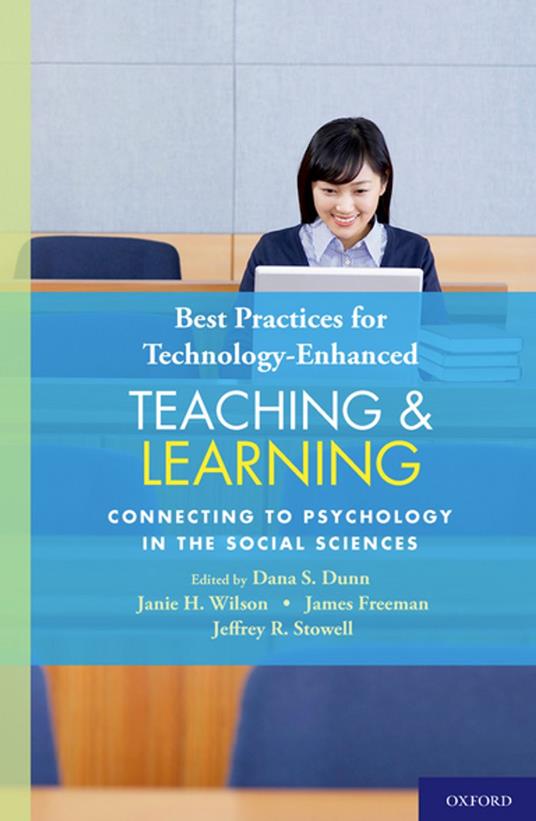
Best Practices for Technology-Enhanced Teaching and Learning

65,09 €
+650
punti 
Venditore: Feltrinelli

Acquista online
Scaricabile subito
Articolo acquistabile con Carta del Docente

Articolo acquistabile con Carta Cultura Giovani e Carta del Merito

Articolo acquistabile con Carta della Cultura

Dati e Statistiche
 Salvato in 0 liste dei desideri
Salvato in 0 liste dei desideri
Best Practices for Technology-Enhanced Teaching and Learning
Scaricabile subito
65,09 €
65,09 €
Scaricabile subito
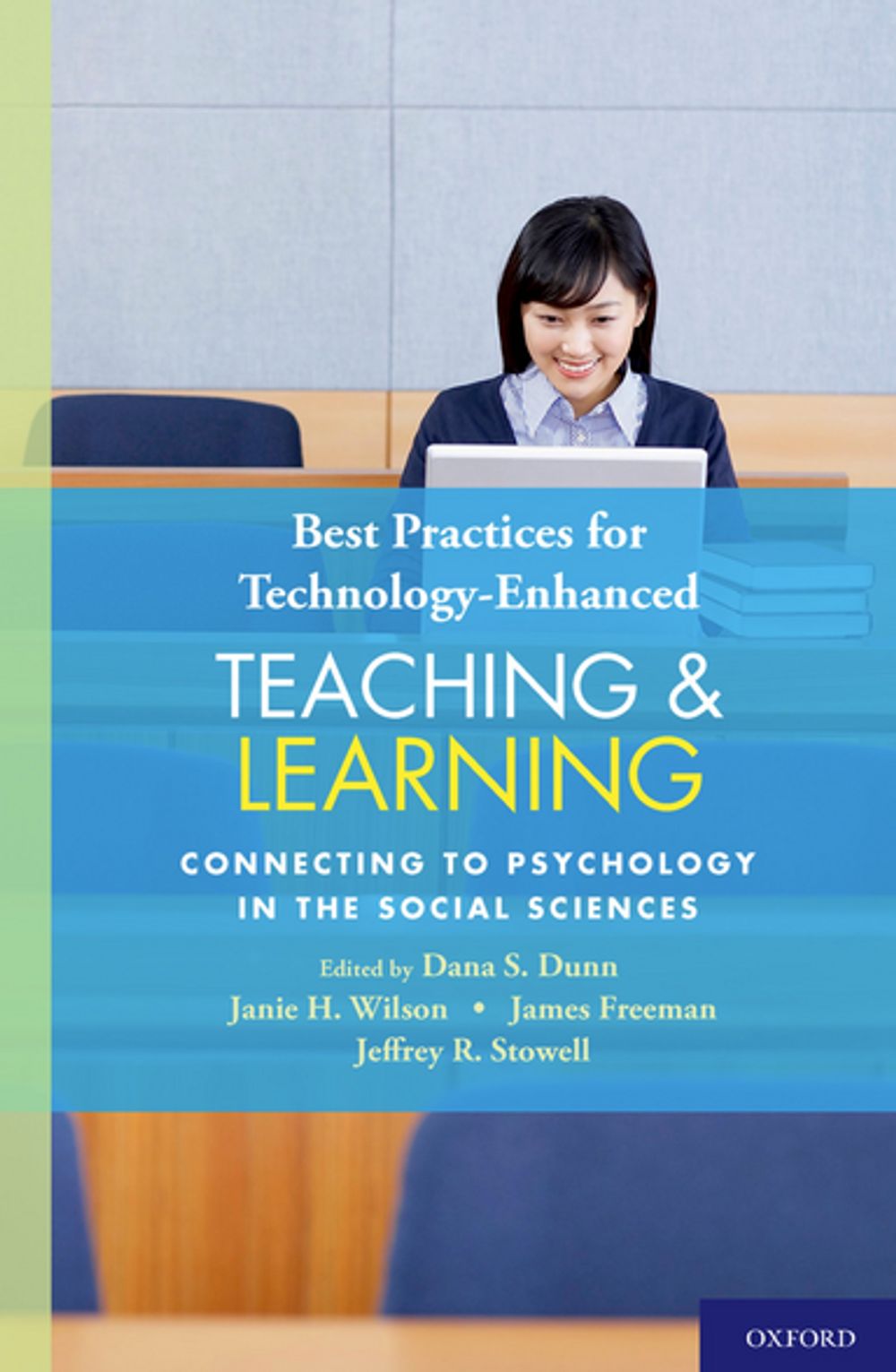


The use of technology and teaching techniques derived from technology is currently a bourgeoning topic in higher education. Teachers at all levels and types of institutions want to know how these new technologies will affect what happens in and outside of the classroom. Many teachers have already embraced some of these technologies but remain uncertain about their educational efficacy. Other teachers have waited because they are reluctant to try tools or techniques that remain unproven or, as is often the case, lack institutional support. This book is designed to help both groups, so that those with technological expertise can extend their knowledge, while technological novices can "ramp up" at their own pace and for their own purposes. Best Practices for Technology-Enhanced Teaching and Learning brings together expert teacher-scholars who apply and assess technology's impact on traditional, hybrid or blended, or completely on-line courses, relying on technology as a teaching tool for classroom management and interaction (e.g., Blackboard, PowerPoint, student response or "clicker systems," multimedia tools), as well as student-based uses of technology largely independent of instructors (e.g., social networking on popular sites including Facebook and MySpace). Each chapter will address how technological improvements can be connected to assessment initiatives, as is now routinely advocated in psychology and social science education. The book features current scholarship and pedagogy involving innovative technology that impacts on student learning in psychology and related disciplines, focusing also on student reactions to these novel technologies, and proper assessments of how well they promote learning. This text will serve as the standard reference on emerging technologies for undergraduate instructors.
-
Autore:
-
Anno edizione:2011
-
Editore:
-
Formato:
-
Lingua:Inglese
Compatibilità:
Tutti i dispositivi (eccetto Kindle) Scopri di più
Layout:
Reflowable
EAN:
9780190453558

Formato:
Gli eBook venduti da Feltrinelli.it sono in formato ePub e possono essere protetti da Adobe DRM. In caso di download di un file protetto da DRM si otterrà un file in formato .acs, (Adobe Content Server Message), che dovrà essere aperto tramite Adobe Digital Editions e autorizzato tramite un account Adobe, prima di poter essere letto su pc o trasferito su dispositivi compatibili.
Cloud:
Gli eBook venduti da Feltrinelli.it sono sincronizzati automaticamente su tutti i client di lettura Kobo successivamente all’acquisto. Grazie al Cloud Kobo i progressi di lettura, le note, le evidenziazioni vengono salvati e sincronizzati automaticamente su tutti i dispositivi e le APP di lettura Kobo utilizzati per la lettura.
Clicca qui per sapere come scaricare gli ebook utilizzando un pc con sistema operativo Windows
