









LIBRO INGLESE





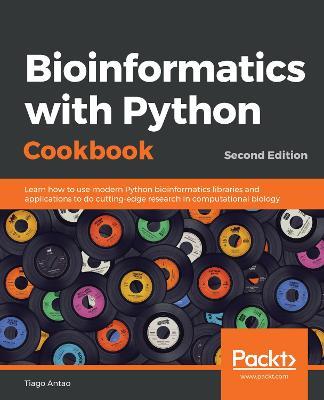
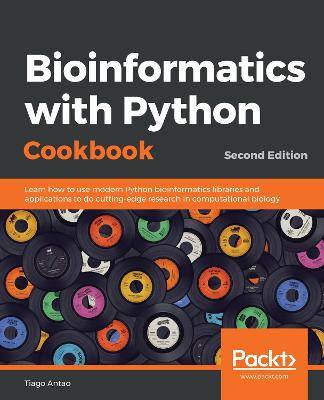
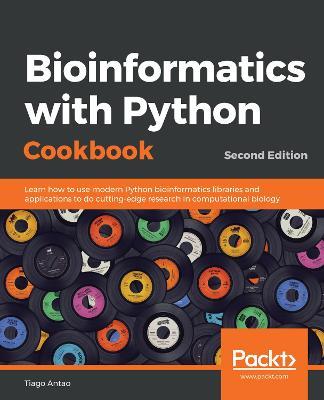
Bioinformatics with Python Cookbook: Learn how to use modern Python bioinformatics libraries and applications to do cutting-edge research in computational biology, 2nd Edition


99,90 €
+1000
punti 
Venditore: Feltrinelli
Articolo acquistabile con Carta del Docente

Articolo acquistabile con Carta Cultura Giovani e Carta del Merito

Articolo acquistabile con Carta della Cultura

Paga con Klarna in 3 rate senza interessi per ordini superiori a 39 €

Dati e Statistiche
 Salvato in 0 liste dei desideri
Salvato in 0 liste dei desideri
Bioinformatics with Python Cookbook: Learn how to use modern Python bioinformatics libraries and applications to do cutting-edge research in computational biology, 2nd Edition
Disponibilità in 2 settimane
99,90 €
99,90 €
Disponibilità in 2 settimane


Discover modern, next-generation sequencing libraries from Python ecosystem to analyze large amounts of biological data Key Features Perform complex bioinformatics analysis using the most important Python libraries and applications Implement next-generation sequencing, metagenomics, automating analysis, population genetics, and more Explore various statistical and machine learning techniques for bioinformatics data analysis Book DescriptionBioinformatics is an active research field that uses a range of simple-to-advanced computations to extract valuable information from biological data. This book covers next-generation sequencing, genomics, metagenomics, population genetics, phylogenetics, and proteomics. You'll learn modern programming techniques to analyze large amounts of biological data. With the help of real-world examples, you'll convert, analyze, and visualize datasets using various Python tools and libraries. This book will help you get a better understanding of working with a Galaxy server, which is the most widely used bioinformatics web-based pipeline system. This updated edition also includes advanced next-generation sequencing filtering techniques. You'll also explore topics such as SNP discovery using statistical approaches under high-performance computing frameworks such as Dask and Spark. By the end of this book, you'll be able to use and implement modern programming techniques and frameworks to deal with the ever-increasing deluge of bioinformatics data. What you will learn Learn how to process large next-generation sequencing (NGS) datasets Work with genomic dataset using the FASTQ, BAM, and VCF formats Learn to perform sequence comparison and phylogenetic reconstruction Perform complex analysis with protemics data Use Python to interact with Galaxy servers Use High-performance computing techniques with Dask and Spark Visualize protein dataset interactions using Cytoscape Use PCA and Decision Trees, two machine learning techniques, with biological datasets Who this book is forThis book is for Data data Scientistsscientists, Bioinformatics bioinformatics analysts, researchers, and Python developers who want to address intermediate-to-advanced biological and bioinformatics problems using a recipe-based approach. Working knowledge of the Python programming language is expected.
-
Autore:
-
Editore:
-
Anno:2018
-
Rilegatura:Paperback / softback
-
Pagine:360 p.
Testo in English
Dimensioni:
93 x 75 mm
EAN:
9781789344691

Informazioni e Contatti sulla Sicurezza dei Prodotti
Le schede prodotto sono aggiornate in conformità al Regolamento UE 988/2023. Laddove ci fossero taluni dati non disponibili per ragioni indipendenti da Feltrinelli, vi informiamo che stiamo compiendo ogni ragionevole sforzo per inserirli. Vi invitiamo a controllare periodicamente il sito www.lafeltrinelli.it per eventuali novità e aggiornamenti.
Per le vendite di prodotti da terze parti, ciascun venditore si assume la piena e diretta responsabilità per la commercializzazione del prodotto e per la sua conformità al Regolamento UE 988/2023, nonché alle normative nazionali ed europee vigenti.
Per informazioni sulla sicurezza dei prodotti, contattare productsafety@feltrinelli.it
