










EBOOK IN LINGUA STRANIERA





Common Information Models for an Open, Analytical, and Agile World

29,94 €
+300
punti 
Venditore: Feltrinelli

Acquista online
Scaricabile subito
Articolo acquistabile con Carta del Docente

Articolo acquistabile con Carta Cultura Giovani e Carta del Merito

Articolo acquistabile con Carta della Cultura

Dati e Statistiche
 Salvato in 0 liste dei desideri
Salvato in 0 liste dei desideri
Common Information Models for an Open, Analytical, and Agile World
Scaricabile subito
29,94 €
29,94 €
Scaricabile subito

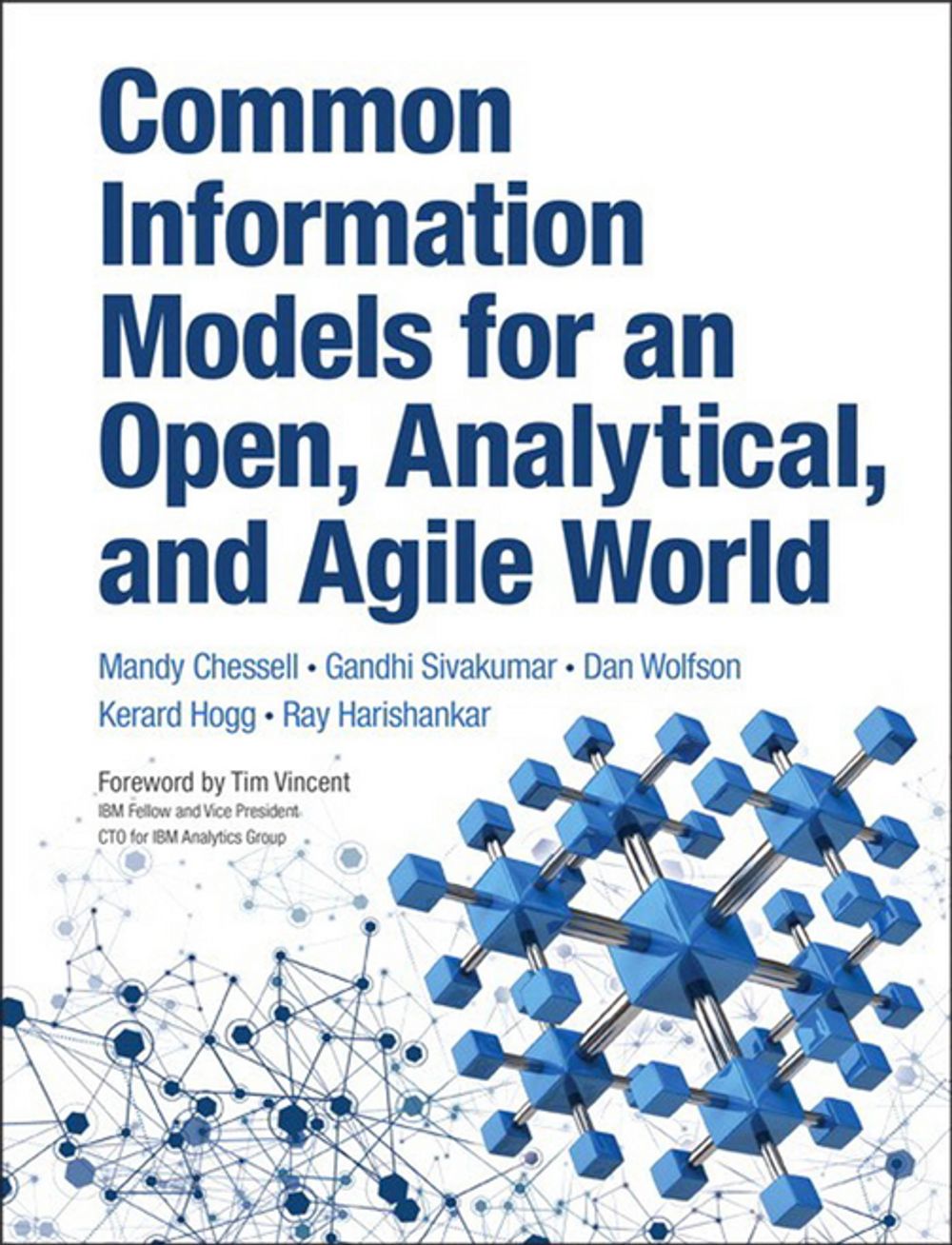



Maximize the Value of Your Information Throughout Even the Most Complex IT Project Foreword by Tim Vincent, IBM Fellow and Vice President, CTO for IBM Analytics Group To drive maximum value from complex IT projects, IT professionals need a deep understanding of the information their projects will use. Too often, however, IT treats information as an afterthought: the “poor stepchild” behind applications and infrastructure. That needs to change. This book will help you change it. Five senior IBM architects show you how to use information-centric views to give data a central role in project design and delivery. Using Common Information Models (CIM), you learn how to standardize the way you represent information, making it easier to design, deploy, and evolve even the most complex systems. Using a complete case study, the authors explain what CIMs are, how to build them, and how to maintain them. You learn how to clarify the structure, meaning, and intent of any information you may exchange, and then use your CIM to improve integration, collaboration, and agility. In today’s mobile, cloud, and analytics environments, your information is more valuable than ever. To build systems that make the most of it, start right here. Coverage Includes • Mastering best practices for building and maintaining a CIM • Understanding CIM components and artifacts: scope, perspectives, and depth of detail • Choosing the right patterns for structuring your CIM • Integrating a CIM into broader governance • Using tools to manage your CIM more effectively • Recognizing the importance of non-functional characteristics, such as availability, performance, and security, in system design • Growing CIM value by expanding their scope and usage • Previewing the future of CIMs
-
Autore:
-
Anno edizione:2015
-
Editore:
-
Formato:
-
Lingua:Inglese
Compatibilità:
Tutti i dispositivi (eccetto Kindle) Scopri di più
Layout:
Reflowable
EAN:
9780133366334

Formato:
Gli eBook venduti da Feltrinelli.it sono in formato ePub e possono essere protetti da Adobe DRM. In caso di download di un file protetto da DRM si otterrà un file in formato .acs, (Adobe Content Server Message), che dovrà essere aperto tramite Adobe Digital Editions e autorizzato tramite un account Adobe, prima di poter essere letto su pc o trasferito su dispositivi compatibili.
Cloud:
Gli eBook venduti da Feltrinelli.it sono sincronizzati automaticamente su tutti i client di lettura Kobo successivamente all’acquisto. Grazie al Cloud Kobo i progressi di lettura, le note, le evidenziazioni vengono salvati e sincronizzati automaticamente su tutti i dispositivi e le APP di lettura Kobo utilizzati per la lettura.
Clicca qui per sapere come scaricare gli ebook utilizzando un pc con sistema operativo Windows
