










EBOOK IN LINGUA STRANIERA





Designing Our Future

20,06 €
+200
punti 
Venditore: Feltrinelli

Acquista online
Scaricabile subito
Articolo acquistabile con Carta del Docente

Articolo acquistabile con Carta Cultura Giovani e Carta del Merito

Articolo acquistabile con Carta della Cultura

Dati e Statistiche
 Salvato in 0 liste dei desideri
Salvato in 0 liste dei desideri
Designing Our Future
Scaricabile subito
20,06 €
20,06 €
Scaricabile subito

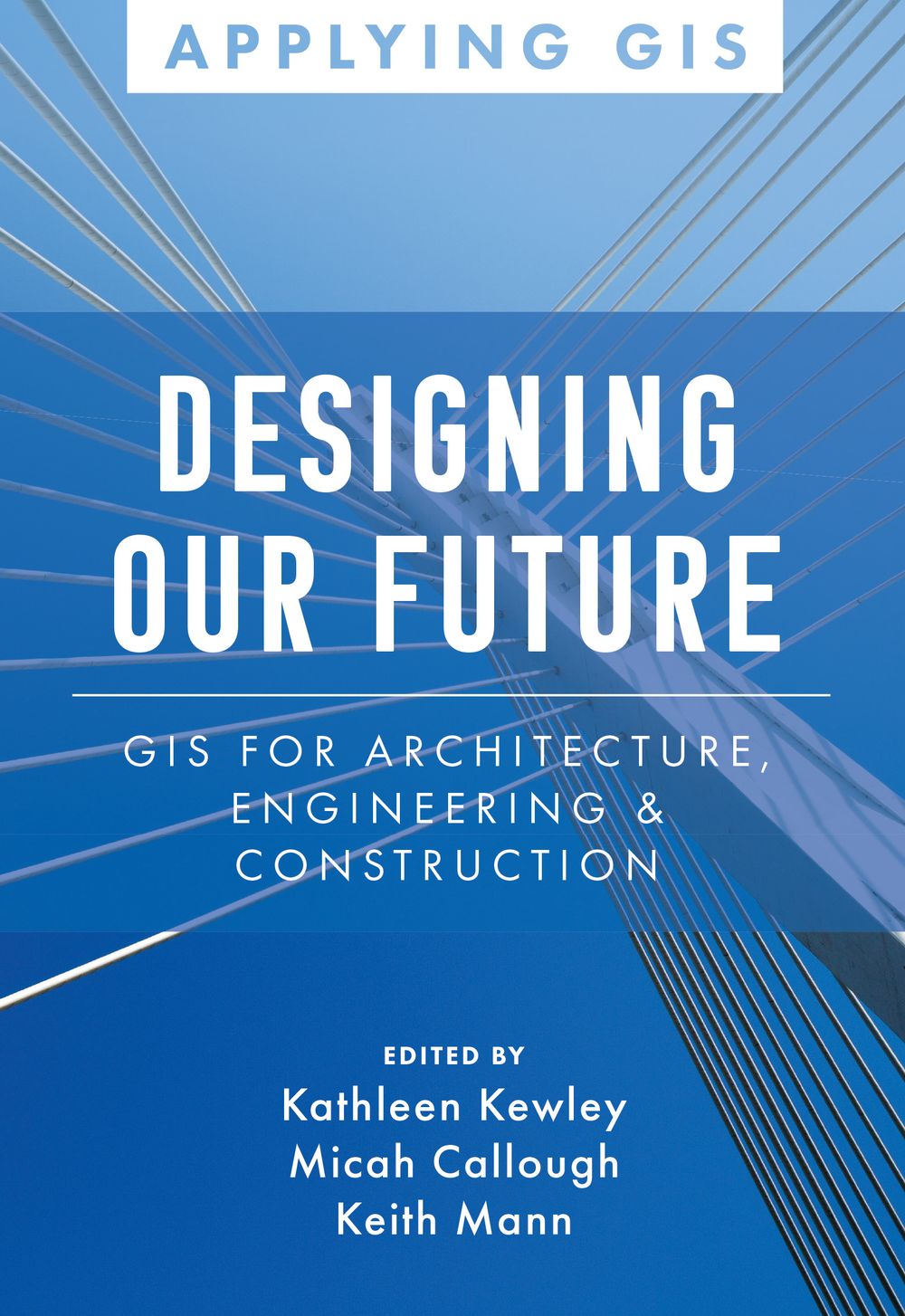


Learn how architecture, engineering, and construction (AEC) firms work to improve sustainability objectives and advance new ideas about creating more livable cities, workplaces, and campuses as they create greater operational efficiency. Location intelligence is changing how land development and large infrastructure projects take shape. From new residential construction to planning a modern urban experience to building a high-speed rail system, a geographic approach helps pave the way to better, more sustainable designs. In Designing Our Future: GIS for Architecture, Engineering & Construction, see how the AEC industry is implementing geographic information systems (GIS) to improve workflows, bring context to large undertakings, and increase collaboration between governments, contractors, partners, and the public. With GIS, architects, engineers, and construction professionals are discovering new efficiencies, gaining deeper insights about complex projects, and transforming the way they plan, design, build, and operate in the built and natural environments. In this collection of case studies and “how to” guidance, gain an overview of how GIS was used to: Reduce the carbon footprint and mitigate future climate-related damage from a cross-country, high-speed rail project in the US Document all above and below ground assets such as utility services, electric, gas, surface water and sewer drainage for a local transportation agency Plan maintenance for and respond to hazards from aging structures and vulnerable hillsides using drones in Japan Designing Our Future: GIS for Architecture, Engineering & Construction also includes a “next steps” section that provides ideas, strategies, tools, and actions to help jump-start your own use of GIS. A collection of online resources, including additional stories, videos, new ideas and concepts, and downloadable tools and content, complements this book.
-
Curatore:
-
Anno edizione:2022
-
Editore:
-
Formato:
Lingua:
Inglese
Compatibilità:
Tutti i dispositivi (eccetto Kindle) Scopri di più
Layout:
Reflowable
EAN:
9781589487246

Formato:
Gli eBook venduti da Feltrinelli.it sono in formato ePub e possono essere protetti da Adobe DRM. In caso di download di un file protetto da DRM si otterrà un file in formato .acs, (Adobe Content Server Message), che dovrà essere aperto tramite Adobe Digital Editions e autorizzato tramite un account Adobe, prima di poter essere letto su pc o trasferito su dispositivi compatibili.
Cloud:
Gli eBook venduti da Feltrinelli.it sono sincronizzati automaticamente su tutti i client di lettura Kobo successivamente all’acquisto. Grazie al Cloud Kobo i progressi di lettura, le note, le evidenziazioni vengono salvati e sincronizzati automaticamente su tutti i dispositivi e le APP di lettura Kobo utilizzati per la lettura.
Clicca qui per sapere come scaricare gli ebook utilizzando un pc con sistema operativo Windows
