









EBOOK IN LINGUA STRANIERA





Disjointed Pluralism

55,73 €
+560
punti 
Venditore: Feltrinelli

Acquista online
Scaricabile subito
Articolo acquistabile con Carta del Docente

Articolo acquistabile con Carta Cultura Giovani e Carta del Merito

Articolo acquistabile con Carta della Cultura

Dati e Statistiche
 Salvato in 0 liste dei desideri
Salvato in 0 liste dei desideri
Disjointed Pluralism
Scaricabile subito
55,73 €
55,73 €
Scaricabile subito

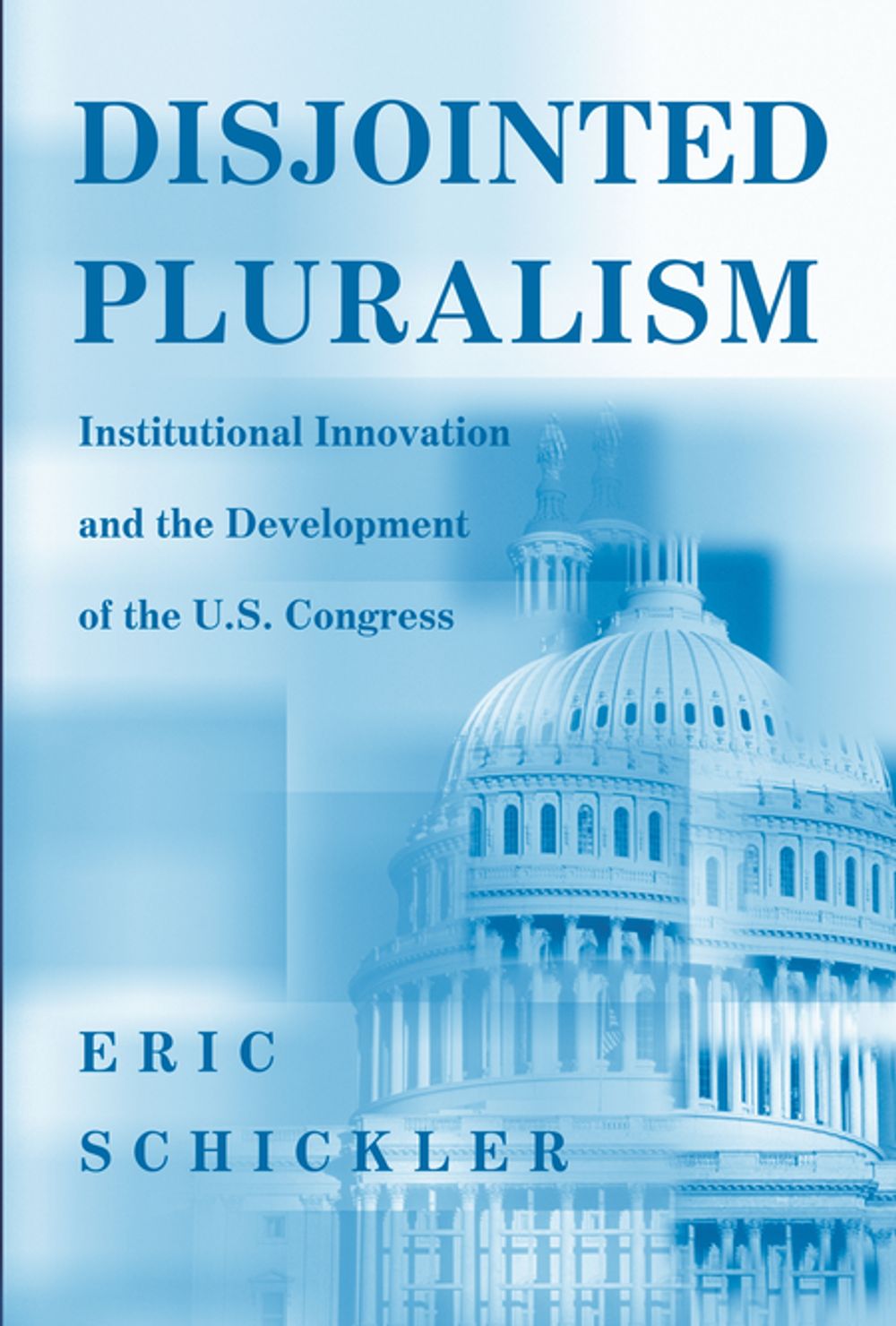


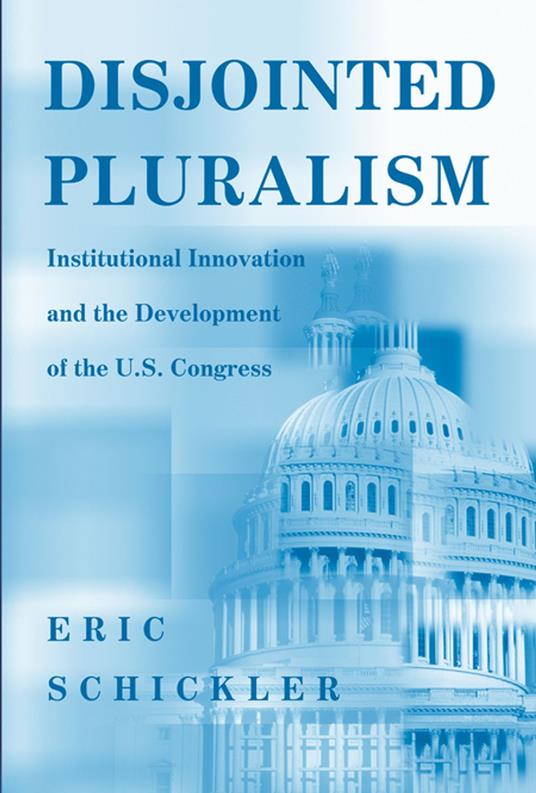
From the 1910 overthrow of "Czar" Joseph Cannon to the reforms enacted when Republicans took over the House in 1995, institutional change within the U.S. Congress has been both a product and a shaper of congressional politics. For several decades, scholars have explained this process in terms of a particular collective interest shared by members, be it partisanship, reelection worries, or policy motivations. Eric Schickler makes the case that it is actually interplay among multiple interests that determines institutional change. In the process, he explains how congressional institutions have proved remarkably adaptable and yet consistently frustrating for members and outside observers alike. Analyzing leadership, committee, and procedural restructuring in four periods (1890-1910, 1919-1932, 1937-1952, and 1970-1989), Schickler argues that coalitions promoting a wide range of member interests drive change in both the House and Senate. He shows that multiple interests determine institutional innovation within a period; that different interests are important in different periods; and, more broadly, that changes in the salient collective interests across time do not follow a simple logical or developmental sequence. Institutional development appears disjointed, as new arrangements are layered on preexisting structures intended to serve competing interests. An epilogue assesses the rise and fall of Newt Gingrich in light of these findings. Schickler's model of "disjointed pluralism" integrates rational choice theory with historical institutionalist approaches. It both complicates and advances efforts at theoretical synthesis by proposing a fuller, more nuanced understanding of institutional innovation--and thus of American political development and history.
-
Autore:
-
Anno edizione:2011
-
Editore:
-
Formato:
-
Lingua:Inglese
Compatibilità:
Tutti i dispositivi (eccetto Kindle) Scopri di più
Layout:
Reflowable
EAN:
9781400824250

Formato:
Gli eBook venduti da Feltrinelli.it sono in formato ePub e possono essere protetti da Adobe DRM. In caso di download di un file protetto da DRM si otterrà un file in formato .acs, (Adobe Content Server Message), che dovrà essere aperto tramite Adobe Digital Editions e autorizzato tramite un account Adobe, prima di poter essere letto su pc o trasferito su dispositivi compatibili.
Cloud:
Gli eBook venduti da Feltrinelli.it sono sincronizzati automaticamente su tutti i client di lettura Kobo successivamente all’acquisto. Grazie al Cloud Kobo i progressi di lettura, le note, le evidenziazioni vengono salvati e sincronizzati automaticamente su tutti i dispositivi e le APP di lettura Kobo utilizzati per la lettura.
Clicca qui per sapere come scaricare gli ebook utilizzando un pc con sistema operativo Windows
