









EBOOK IN LINGUA STRANIERA





Eccentric Renaissance

65,09 €
+650
punti 
Venditore: Feltrinelli

Acquista online
Scaricabile subito
Articolo acquistabile con Carta del Docente

Articolo acquistabile con Carta Cultura Giovani e Carta del Merito

Articolo acquistabile con Carta della Cultura

Dati e Statistiche
 Salvato in 0 liste dei desideri
Salvato in 0 liste dei desideri
Eccentric Renaissance
Scaricabile subito
65,09 €
65,09 €
Scaricabile subito
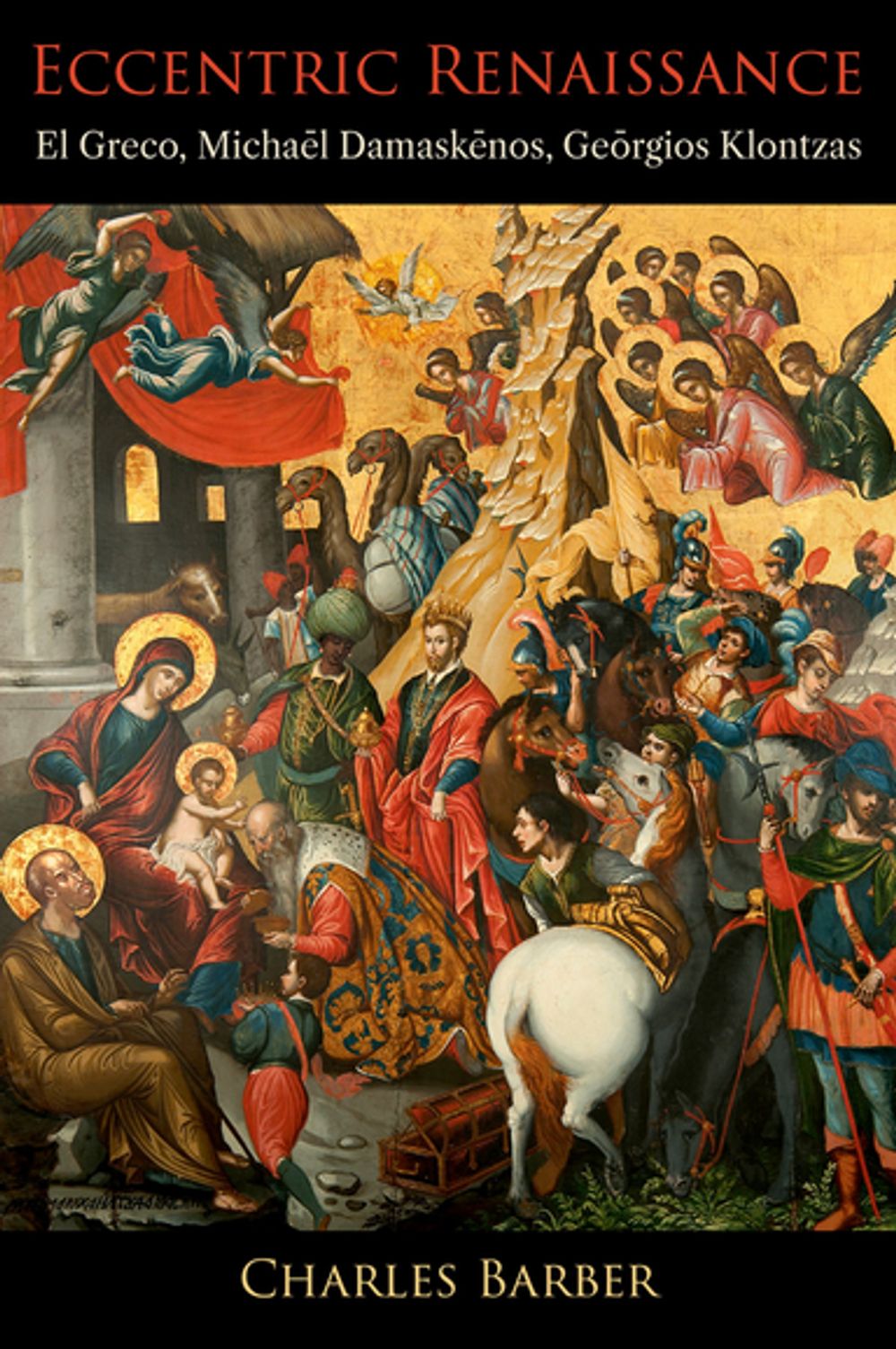


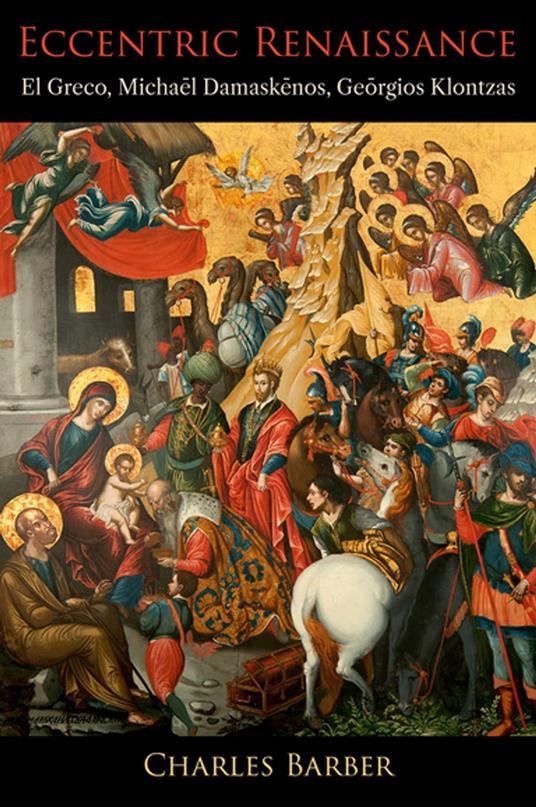
The Byzantine icon has long remained marginal to the study of art's history, only emerging from Giorgio Vasari's condemnation of the gilded, unnatural style of Byzantine painting (maniera greca) when his theories were challenged in the early twentieth century. Eccentric Renaissance focuses on an earlier reaction to Vasari's narrative and discusses three artists who shaped distinct responses to the hegemonic sway of sixteenth-century Italian art. Domenikos Theotokopoulos (more familiarly known as El Greco), Michael Damaskenos, and Georgios Klontzas were contemporary icon painters on the Venetian colony of Crete. Trained in the rich tradition of Cretan painting, these artists differed from their forebears in asserting a self-conscious creativity in their work. They renewed the art of icon painting in the context of Venetian colonialism by reconsidering how their art might address the contemporary world. Deemed eccentric, El Greco's work presented a Greek path contrary to the one promoted in Vasari's history of art. His was an art that was sensual, complex, and difficult. Michael Damaskenos's profound engagement with Venetian painting was mixed with traditional iconic styles, reflecting life in a colony in which Orthodox and Catholic, Greek and Venetian were fluid rather than static descriptors of the self. Georgios Klontzas used his art to confront the horrors of his day. The impending threat of the Ottoman conquest of Crete and the outbreak of plague in 1592 shaped his extraordinary manuscript, Apocalypse and History, that sought to understand these calamities in light of both divine providence and human experience. Each of these artists chose an eccentric point of departure for their work. Greek, colonized, and fearful, they invite us to look again and to look differently at the later sixteenth century.
-
Autore:
-
Anno edizione:2024
-
Editore:
-
Formato:
-
Lingua:Inglese
Compatibilità:
Tutti i dispositivi (eccetto Kindle) Scopri di più
Layout:
Reflowable
EAN:
9780197787724


Formato:
Gli eBook venduti da Feltrinelli.it sono in formato ePub e possono essere protetti da Adobe DRM. In caso di download di un file protetto da DRM si otterrà un file in formato .acs, (Adobe Content Server Message), che dovrà essere aperto tramite Adobe Digital Editions e autorizzato tramite un account Adobe, prima di poter essere letto su pc o trasferito su dispositivi compatibili.
Cloud:
Gli eBook venduti da Feltrinelli.it sono sincronizzati automaticamente su tutti i client di lettura Kobo successivamente all’acquisto. Grazie al Cloud Kobo i progressi di lettura, le note, le evidenziazioni vengono salvati e sincronizzati automaticamente su tutti i dispositivi e le APP di lettura Kobo utilizzati per la lettura.
Clicca qui per sapere come scaricare gli ebook utilizzando un pc con sistema operativo Windows
