










LIBRO INGLESE





Geomorphic Risk Reduction Using Geospatial Methods and Tools

205,10 €
+2050
punti 
Venditore: Feltrinelli
Articolo acquistabile con Carta del Docente

Articolo acquistabile con Carta Cultura Giovani e Carta del Merito

Articolo acquistabile con Carta della Cultura

Paga con Klarna in 3 rate senza interessi per ordini superiori a 39 €

Dati e Statistiche
 Salvato in 0 liste dei desideri
Salvato in 0 liste dei desideri
Geomorphic Risk Reduction Using Geospatial Methods and Tools
Disponibilità in 2 settimane
205,10 €
205,10 €
Disponibilità in 2 settimane

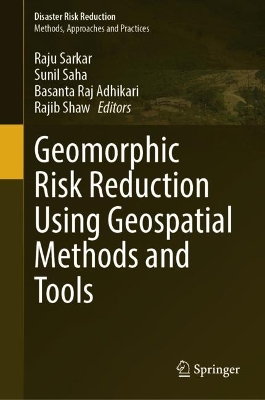


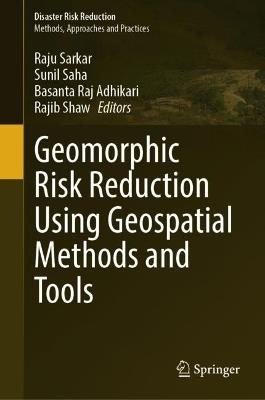
This book explores the use of advanced geospatial techniques in geomorphic hazards modelling and risk reduction. It also compares the accuracy of traditional statistical methods and advanced machine learning methods and addresses the different ways to reduce the impact of geomorphic hazards. In recent years with the development of human infrastructures, geomorphic hazards are gradually increasing, which include landslides, flood and soil erosion, among others. They cause huge loss of human property and lives. Especially in mountainous, coastal, arid and semi-arid regions, these natural hazards are the main barriers for economic development. Furthermore, human pressure and specific human actions such as deforestation, inappropriate land use and farming have increased the danger of natural disasters and degraded the natural environment, making it more difficult for environmental planners and policymakers to develop appropriate long-term sustainability plans. The most challenging task is to develop a sophisticated approach for continuous inspection and resolution of environmental problems for researchers and scientists. However, in the past several decades, geospatial technology has undergone dramatic advances, opening up new opportunities for handling environmental challenges in a more comprehensive manner. With the help of geographic information system (GIS) tools, high and moderate resolution remote sensing information, such as visible imaging, synthetic aperture radar, global navigation satellite systems, light detection and ranging, Quickbird, Worldview 3, LiDAR, SPOT 5, Google Earth Engine and others deliver state-of-the-art investigations in the identification of multiple natural hazards. For a thorough examination, advanced computer approaches focusing on cutting-edge data processing, machine learning and deep learning may be employed. To detect and manage various geomorphic hazards and their impact, several models with a specific emphasis on natural resources and the environment may be created.
-
Curatore:
-
Editore:
-
Collana:Disaster Risk Reduction
-
Anno:2024
-
Rilegatura:Hardback
Pagine:
325 p.
Testo in English
Dimensioni:
235 x 155 mm
EAN:
9789819977062

Informazioni e Contatti sulla Sicurezza dei Prodotti
Le schede prodotto sono aggiornate in conformità al Regolamento UE 988/2023. Laddove ci fossero taluni dati non disponibili per ragioni indipendenti da Feltrinelli, vi informiamo che stiamo compiendo ogni ragionevole sforzo per inserirli. Vi invitiamo a controllare periodicamente il sito www.lafeltrinelli.it per eventuali novità e aggiornamenti.
Per le vendite di prodotti da terze parti, ciascun venditore si assume la piena e diretta responsabilità per la commercializzazione del prodotto e per la sua conformità al Regolamento UE 988/2023, nonché alle normative nazionali ed europee vigenti.
Per informazioni sulla sicurezza dei prodotti, contattare productsafety@feltrinelli.it
