










EBOOK IN LINGUA STRANIERA





Ghetto

30,98 €
+310
punti 
Venditore: Feltrinelli

Acquista online
Scaricabile subito
Articolo acquistabile con Carta del Docente

Articolo acquistabile con Carta Cultura Giovani e Carta del Merito

Articolo acquistabile con Carta della Cultura

Dati e Statistiche
 Salvato in 0 liste dei desideri
Salvato in 0 liste dei desideri
Ghetto
Scaricabile subito
30,98 €
30,98 €
Scaricabile subito




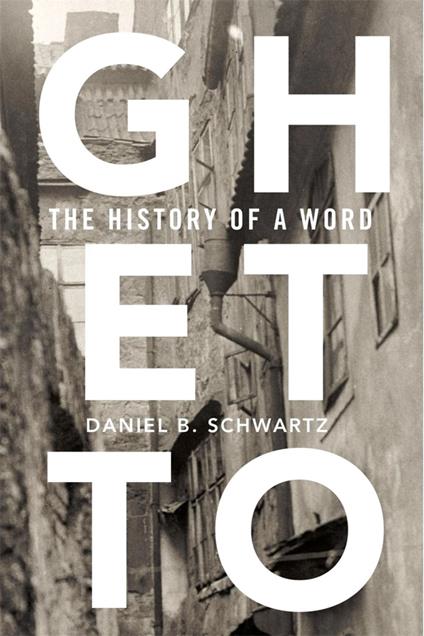
Just as European Jews were being emancipated and ghettos in their original form—compulsory, enclosed spaces designed to segregate—were being dismantled, use of the word ghetto surged in Europe and spread around the globe. Tracing the curious path of this loaded word from its first use in sixteenth-century Venice to the present turns out to be more than an adventure in linguistics. Few words are as ideologically charged as ghetto. Its early uses centered on two cities: Venice, where it referred to the segregation of the Jews in 1516, and Rome, where the ghetto survived until the fall of the Papal States in 1870, long after it had ceased to exist elsewhere. Ghetto: The History of a Word offers a fascinating account of the changing nuances of this slippery term, from its coinage to the present day. It details how the ghetto emerged as an ambivalent metaphor for “premodern” Judaism in the nineteenth century and how it was later revived to refer to everything from densely populated Jewish immigrant enclaves in modern cities to the hypersegregated holding pens of Nazi-occupied Eastern Europe. We see how this ever-evolving word traveled across the Atlantic Ocean, settled into New York’s Lower East Side and Chicago’s Near West Side, then came to be more closely associated with African Americans than with Jews. Chronicling this sinuous transatlantic odyssey, Daniel B. Schwartz reveals how the history of ghettos is tied up with the struggle and argument over the meaning of a word. Paradoxically, the term ghetto came to loom larger in discourse about Jews when Jews were no longer required to live in legal ghettos. At a time when the Jewish associations have been largely eclipsed, Ghetto retrieves the history of a disturbingly resilient word.
-
Autore:
-
Anno edizione:2019
-
Editore:
-
Formato:
-
Lingua:Inglese
Compatibilità:
Tutti i dispositivi (eccetto Kindle) Scopri di più
Layout:
Reflowable
EAN:
9780674243354

Formato:
Gli eBook venduti da Feltrinelli.it sono in formato ePub e possono essere protetti da Adobe DRM. In caso di download di un file protetto da DRM si otterrà un file in formato .acs, (Adobe Content Server Message), che dovrà essere aperto tramite Adobe Digital Editions e autorizzato tramite un account Adobe, prima di poter essere letto su pc o trasferito su dispositivi compatibili.
Cloud:
Gli eBook venduti da Feltrinelli.it sono sincronizzati automaticamente su tutti i client di lettura Kobo successivamente all’acquisto. Grazie al Cloud Kobo i progressi di lettura, le note, le evidenziazioni vengono salvati e sincronizzati automaticamente su tutti i dispositivi e le APP di lettura Kobo utilizzati per la lettura.
Clicca qui per sapere come scaricare gli ebook utilizzando un pc con sistema operativo Windows
