









EBOOK IN LINGUA STRANIERA





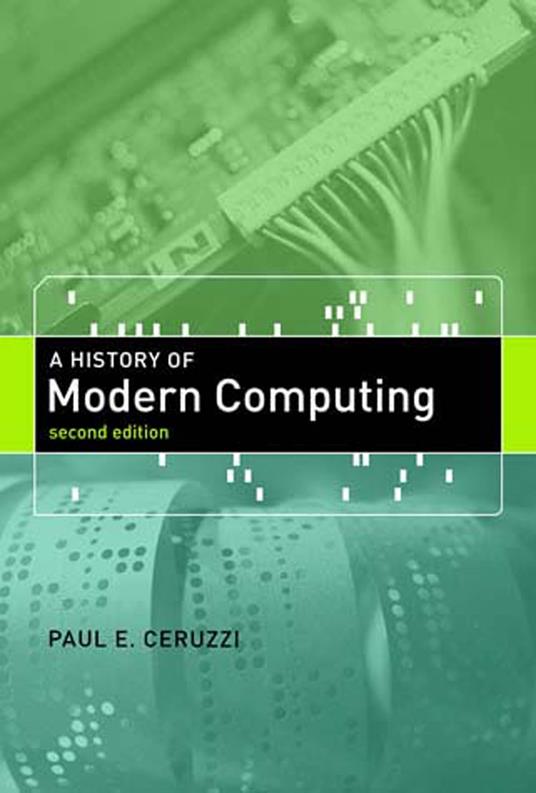
A History of Modern Computing, second edition

25,78 €
+260
punti 
Venditore: Feltrinelli

Acquista online
Scaricabile subito
Articolo acquistabile con Carta del Docente

Articolo acquistabile con Carta Cultura Giovani e Carta del Merito

Articolo acquistabile con Carta della Cultura

Dati e Statistiche
 Salvato in 0 liste dei desideri
Salvato in 0 liste dei desideri
A History of Modern Computing, second edition
Scaricabile subito
25,78 €
25,78 €
Scaricabile subito
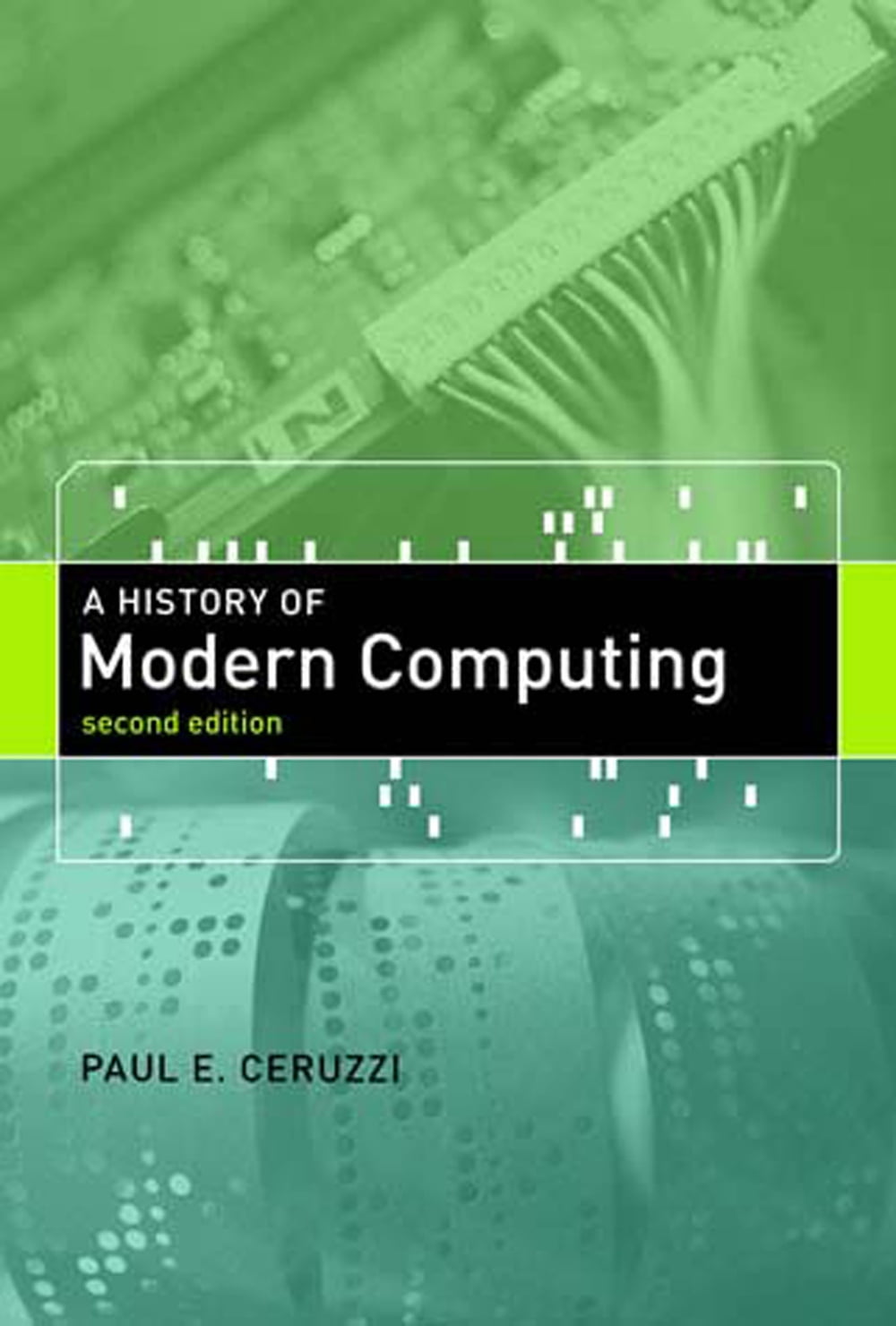


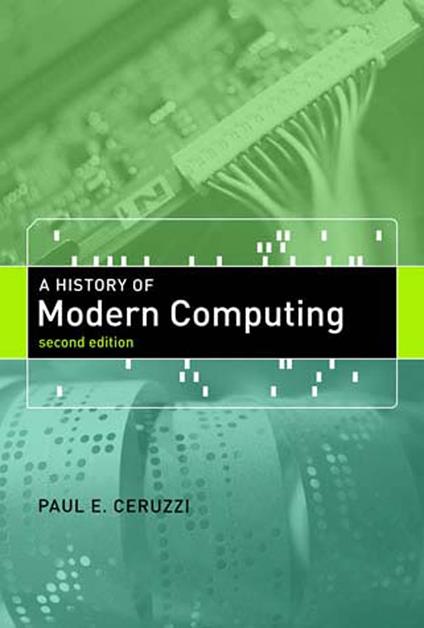
From the first digital computer to the dot-com crash—a story of individuals, institutions, and the forces that led to a series of dramatic transformations. This engaging history covers modern computing from the development of the first electronic digital computer through the dot-com crash. The author concentrates on five key moments of transition: the transformation of the computer in the late 1940s from a specialized scientific instrument to a commercial product; the emergence of small systems in the late 1960s; the beginning of personal computing in the 1970s; the spread of networking after 1985; and, in a chapter written for this edition, the period 1995-2001. The new material focuses on the Microsoft antitrust suit, the rise and fall of the dot-coms, and the advent of open source software, particularly Linux. Within the chronological narrative, the book traces several overlapping threads: the evolution of the computer's internal design; the effect of economic trends and the Cold War; the long-term role of IBM as a player and as a target for upstart entrepreneurs; the growth of software from a hidden element to a major character in the story of computing; and the recurring issue of the place of information and computing in a democratic society. The focus is on the United States (though Europe and Japan enter the story at crucial points), on computing per se rather than on applications such as artificial intelligence, and on systems that were sold commercially and installed in quantities.
-
Autore:
-
Anno edizione:2003
-
Editore:
-
Formato:
-
Lingua:Inglese
Compatibilità:
Tutti i dispositivi (eccetto Kindle) Scopri di più
Layout:
Reflowable
EAN:
9780262265331

Formato:
Gli eBook venduti da Feltrinelli.it sono in formato ePub e possono essere protetti da Adobe DRM. In caso di download di un file protetto da DRM si otterrà un file in formato .acs, (Adobe Content Server Message), che dovrà essere aperto tramite Adobe Digital Editions e autorizzato tramite un account Adobe, prima di poter essere letto su pc o trasferito su dispositivi compatibili.
Cloud:
Gli eBook venduti da Feltrinelli.it sono sincronizzati automaticamente su tutti i client di lettura Kobo successivamente all’acquisto. Grazie al Cloud Kobo i progressi di lettura, le note, le evidenziazioni vengono salvati e sincronizzati automaticamente su tutti i dispositivi e le APP di lettura Kobo utilizzati per la lettura.
Clicca qui per sapere come scaricare gli ebook utilizzando un pc con sistema operativo Windows
